Information
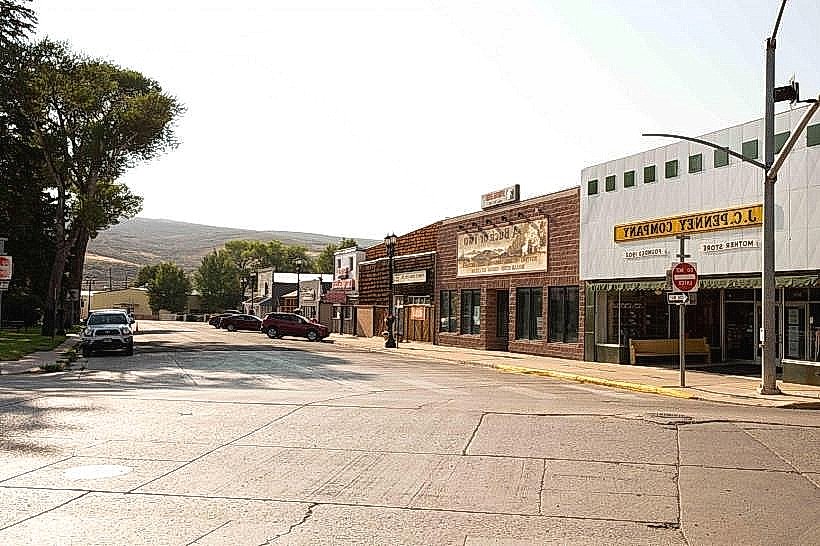
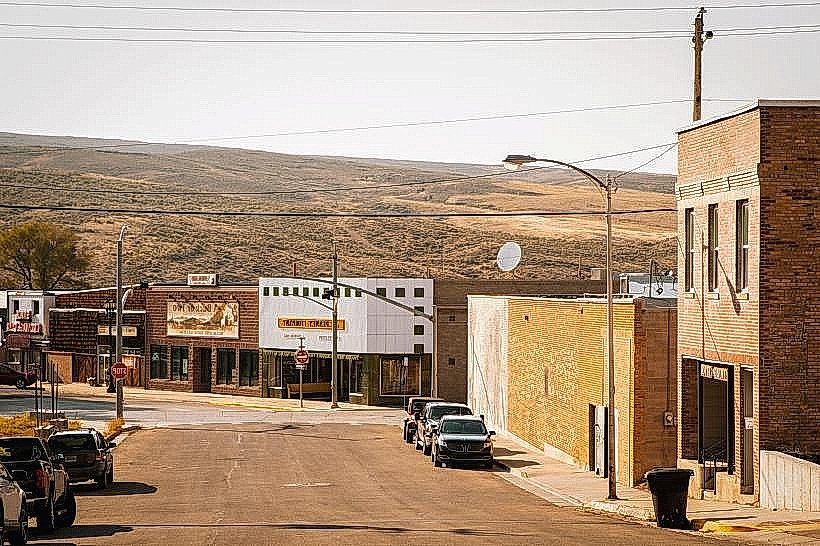
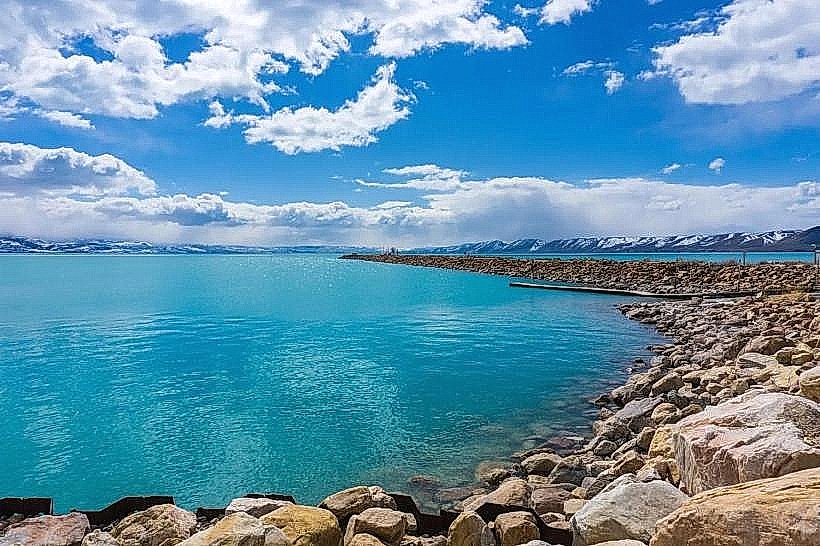
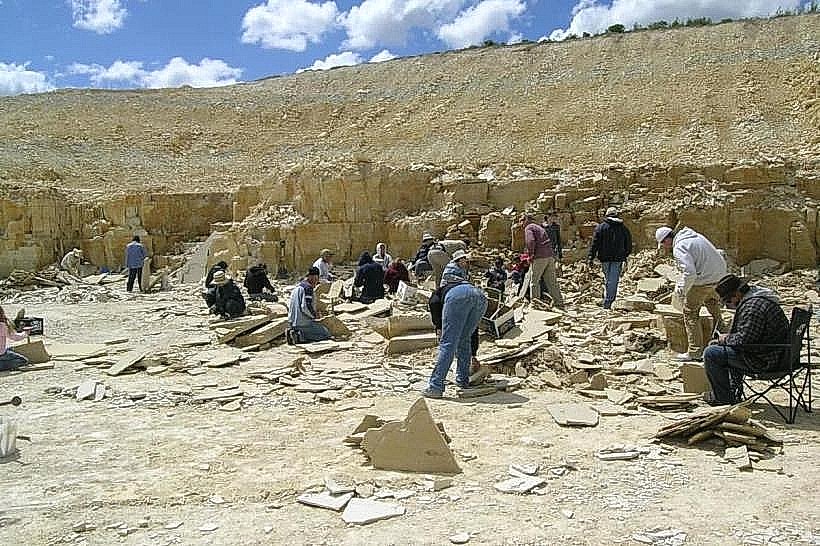
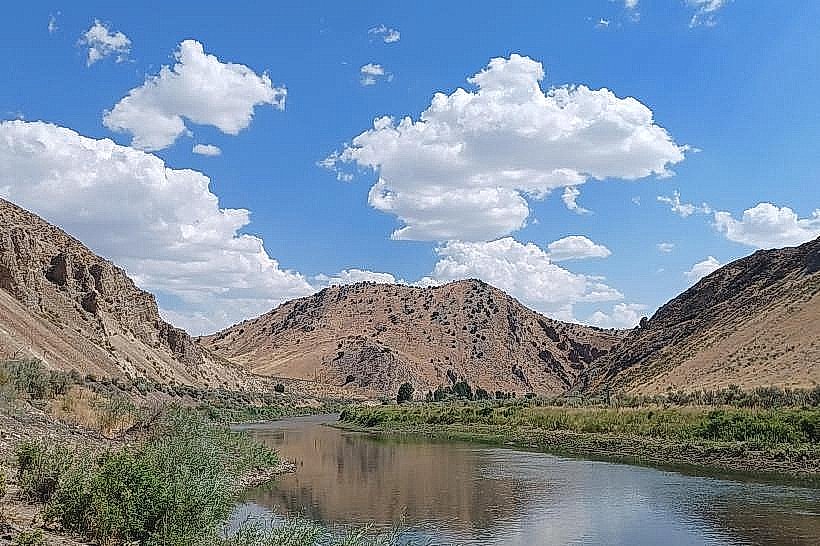
Landmark: Hams Fork River ValleyCity: Kemmerer
Country: USA Wyoming
Continent: North America
Hams Fork River Valley, Kemmerer, USA Wyoming, North America
The Lobatse Town Council building is a civic administration facility located in Lobatse, Botswana.
Visual Characteristics
The structure is a single-story building constructed primarily from concrete blocks. The exterior walls are painted a light beige color. The roof is flat and made of corrugated iron. The building features a series of regularly spaced windows with metal security bars and a central entrance with a concrete overhang.
Location & Access Logistics
The Lobatse Town Council building is situated at the intersection of Lobatse Road and Independence Avenue in the central business district of Lobatse. It is approximately 0.5km west of the main A1 highway. Ample on-street parking is available directly in front of the building. Public transport, including minibuses on routes serving the town center, stops within a 100-meter radius.
Historical & Ecological Origin
The building was constructed in the late 1970s to serve as the administrative hub for the town of Lobatse. Its purpose was to centralize local government functions and provide public services. The architectural design reflects the functionalist style prevalent in Botswana during that period.
Key Highlights & Activities
The primary activity at this location is accessing municipal services. This includes obtaining building permits, registering businesses, paying local taxes, and inquiring about town planning. Public meetings and council sessions are held within the building.
Infrastructure & Amenities
Restrooms are available for public use within the building. Limited shaded areas are present near the entrance. Cell phone signal (4G) is generally reliable in this urban area. No food vendors are located directly at the council building, but several are situated along Lobatse Road within a 200-meter radius.
Best Time to Visit
For efficient service, visiting during weekday mornings between 9:00 AM and 11:00 AM is recommended to avoid peak times. The best time of year for general comfort in Lobatse is during the dry season, from May to October, when temperatures are moderate.
Facts & Legends
A notable historical fact is that Lobatse served as the administrative capital of Botswana before Gaborone was established. The Town Council building now occupies a site that was once part of the original administrative precinct.
Nearby Landmarks
- Lobatse High Court - 0.3km Northwest
- Lobatse Central Police Station - 0.4km West
- Botswana Meat Commission (BMC) Abattoir - 1.5km South
- Lobatse Railway Station - 0.7km Northeast
- Lobatse National Museum - 0.6km North