Information
Landmark: Higashiyama Zoo and Botanical GardensCity: Nagoya
Country: Japan
Continent: Asia
Higashiyama Zoo and Botanical Gardens, Nagoya, Japan, Asia
The Higashiyama Zoo and Botanical Gardens (東山動植物園, Higashiyama Dōshokubutsuen) is one of the largest and most popular public parks in Nagoya, Japan. Located in the Higashiyama District of the city, this expansive facility combines a zoo, botanical gardens, and amusement park in one location, making it a great destination for visitors of all ages.
1. Overview of Higashiyama Zoo and Botanical Gardens
Established: The zoo opened in 1937, while the botanical gardens were established in 1951. Over the years, the site has been developed and expanded to become one of Nagoya’s major cultural and recreational attractions.
Size: The entire complex spans over 60 hectares (approximately 148 acres), providing ample space for visitors to explore both nature and wildlife.
Location: The zoo and botanical gardens are located in the Higashiyama Park area, which is accessible from Higashiyama Station on the Higashiyama Subway Line.
2. Key Attractions and Features
A. Higashiyama Zoo
The zoo is home to a diverse range of animals from all over the world. It features both native Japanese species and exotic animals, making it a great place for families and animal lovers.
Animal Exhibits: The zoo houses over 500 species of animals, including mammals, birds, reptiles, amphibians, and fish. Some of the most popular exhibits include:
- Asian Elephants: One of the zoo's most beloved residents, the Asian elephants are a major attraction.
- Lions, Tigers, and Bears: The zoo has large carnivores, including lions, tigers, and bears, which are a big hit with visitors.
- Giraffes, Zebras, and Rhinoceroses: African animals are also well represented, with large exhibits for giraffes, zebras, and rhinoceroses.
- Primates: Visitors can see a wide variety of primates, including chimpanzees, gorillas, and orangutans in specially designed habitats that mimic their natural environments.
- Penguins and Seals: The zoo features aquatic life as well, with penguin and seal exhibits that are always popular with visitors, especially children.
Interactive Experiences: The zoo offers various interactive exhibits, where visitors can get up close to certain animals, such as feeding the goats in the petting zoo or observing animals in more natural settings through large glass enclosures.
Safari and Wild Areas: The zoo includes several themed areas that simulate natural habitats, such as African Savannah, Amazon Rainforest, and the Arctic Tundra, helping to educate visitors about the global diversity of animals and the need for conservation.
Conservation Efforts: The zoo participates in important breeding programs for endangered species, and its educational programs help raise awareness about conservation issues.
B. Higashiyama Botanical Gardens
The botanical gardens are another highlight of the facility, featuring a stunning collection of plants and flowers from around the world.
Floral Diversity: The gardens are divided into various sections, each showcasing different types of plants:
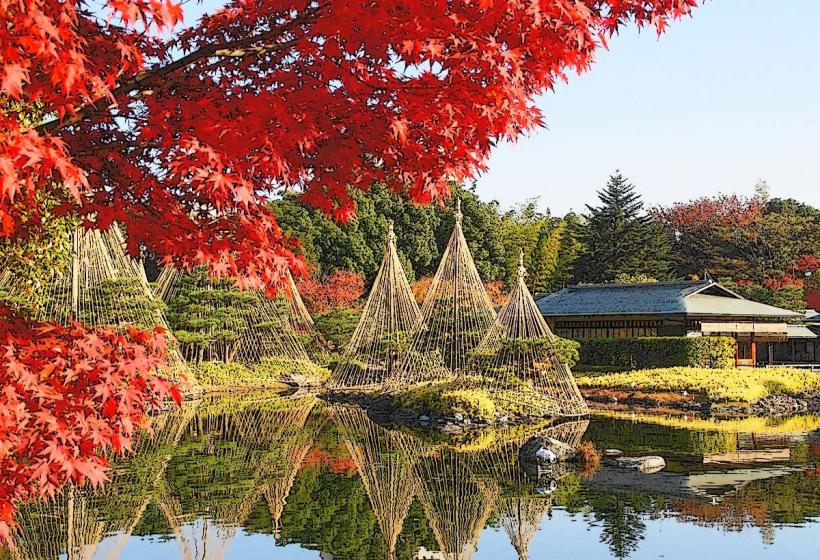
- Japanese Garden: This area showcases traditional Japanese garden design, complete with koi ponds, stone lanterns, and bonsai trees.
- Rose Garden: One of the most popular areas, the rose garden features hundreds of rose varieties, especially during the spring and summer months when they are in full bloom.
- Tropical and Subtropical Plants: There is a large collection of tropical plants housed in greenhouse areas, where visitors can view vibrant flowers, unique foliage, and exotic species from warm climates.
- Cacti and Succulents: A specialized section of the gardens is dedicated to cacti and succulent plants, featuring impressive collections of these hardy desert plants.
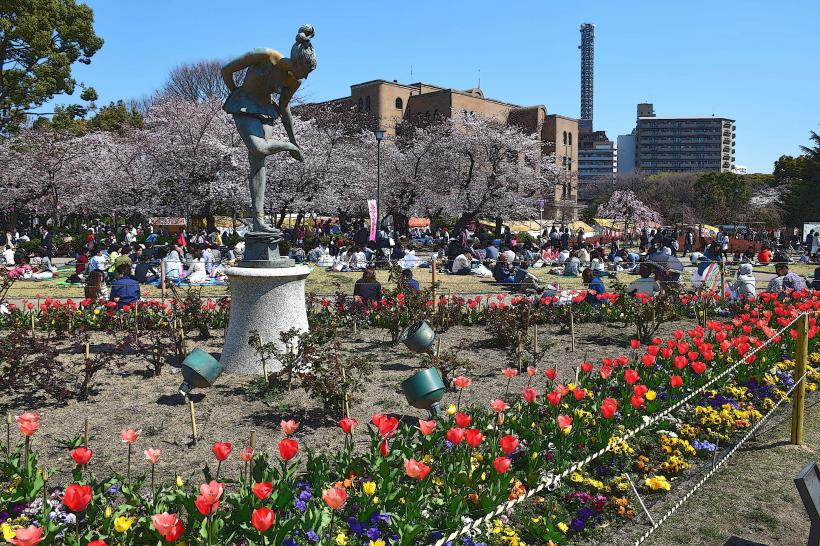
Seasonal Exhibits: Throughout the year, the botanical gardens hold seasonal flower festivals, including cherry blossoms in spring, lilies in summer, chrysanthemums in autumn, and winter illuminations.
Educational Programs: The botanical gardens also offer gardening workshops and educational programs to teach visitors about plant cultivation and environmental conservation.
C. Amusement Park
In addition to the zoo and botanical gardens, the Higashiyama Zoo and Botanical Gardens complex also features a small amusement park with a variety of rides and attractions, making it a family-friendly destination.
- Rides: The amusement park includes roller coasters, merry-go-rounds, and train rides, providing entertainment for younger visitors.
- Carousel and Ferris Wheel: One of the most iconic features is the Ferris wheel, offering a bird’s-eye view of the zoo, botanical gardens, and surrounding area.
D. Higashiyama Sky Tower
A key feature within the park is the Higashiyama Sky Tower, a tall observation tower that provides panoramic views of Nagoya and the surrounding area. It's a great spot for photography and to take in the beauty of the entire park complex from above.
- View from the Top: From the tower, visitors can see far into the distance, with a clear view of the city, Nagoya Castle, and on clear days, Mount Ontake.
3. Educational and Conservation Efforts
Both the zoo and botanical gardens emphasize education and conservation. There are regular exhibits and activities designed to raise awareness about environmental issues, such as:
- Conservation Programs: The zoo actively participates in breeding programs for endangered species and supports research on animal preservation.
- Workshops and Educational Programs: The zoo and botanical gardens offer workshops, guided tours, and interactive sessions for schools and families to help educate the public about the importance of preserving both plant and animal species.
4. Facilities
- Restaurants and Cafés: There are various restaurants and cafés within the park that serve a range of Japanese and international dishes. Visitors can enjoy a meal or snack while relaxing in beautiful natural surroundings.
- Gift Shops: There are gift shops selling animal-themed merchandise, souvenirs, and educational materials related to the zoo and botanical gardens.
- Rest Areas: Picnic areas and shaded rest spots are available for visitors to relax and enjoy the park.
5. Access and Hours
- Opening Hours:
- The zoo and botanical gardens are generally open daily, but hours may vary, particularly during peak seasons or special events. Typically, the zoo opens around 9:00 AM and closes around 4:30 PM, but it’s best to check their schedule for up-to-date information.
- Admission Fees:
- There is a small admission fee for the zoo and botanical gardens, with discounts for children, seniors, and groups. The amusement park has separate fees for rides.
- Getting There:
- The complex is easily accessible by public transportation:
- Subway: The Higashiyama Subway Line has a station named Higashiyama Station, which is located near the entrance to the park.
- Bus: Several bus routes serve the area, making it convenient for visitors from different parts of the city.
- The complex is easily accessible by public transportation:
6. Nearby Attractions
The Higashiyama Zoo and Botanical Gardens is located in an area with several other attractions:
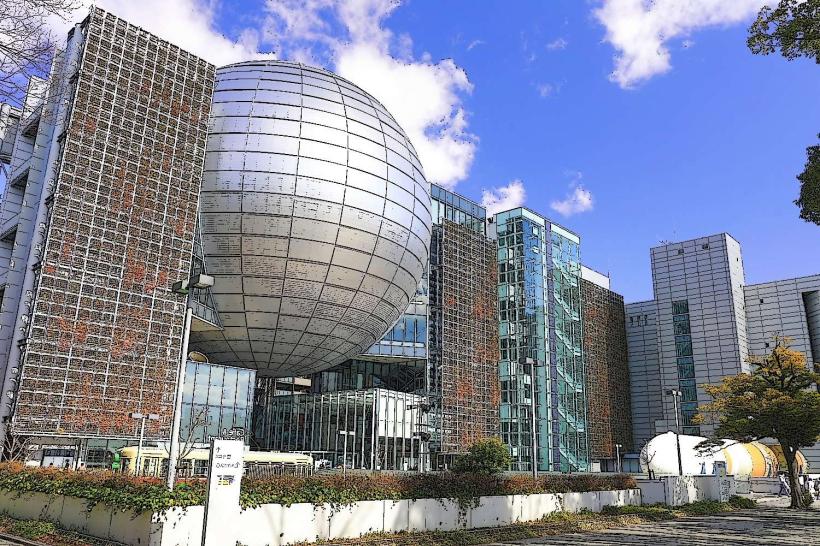
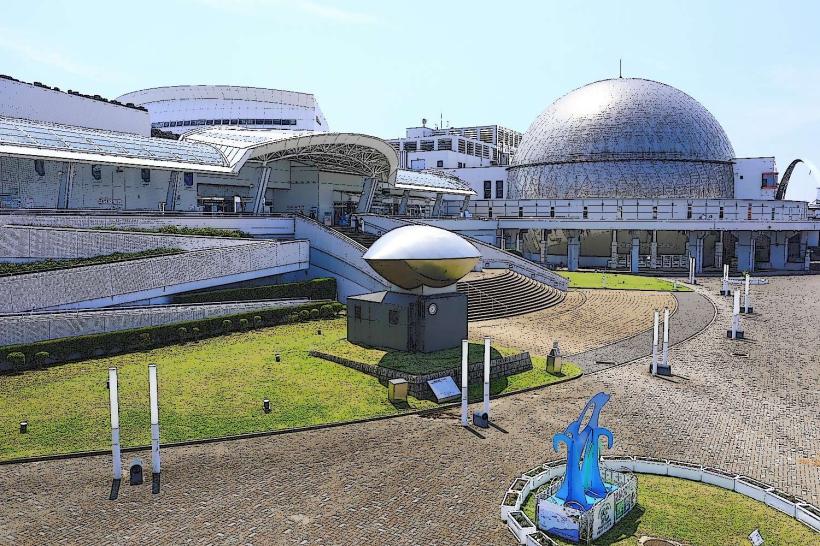
- Nagoya City Science Museum: A short distance from the zoo, featuring interactive exhibits and a planetarium.
- Nagoya City Art Museum: Another nearby attraction for art lovers.
- Shirotori Garden: A traditional Japanese garden located nearby that offers a peaceful, scenic escape.
7. Conclusion
The Higashiyama Zoo and Botanical Gardens is a wonderful destination for families, nature lovers, and anyone interested in learning about wildlife and plants. Whether you're watching animals roam in naturalistic enclosures, strolling through beautiful gardens, or enjoying a fun ride in the amusement park, the complex offers something for everyone. It’s a perfect place to spend a day exploring, learning, and relaxing in the heart of Nagoya.