Information
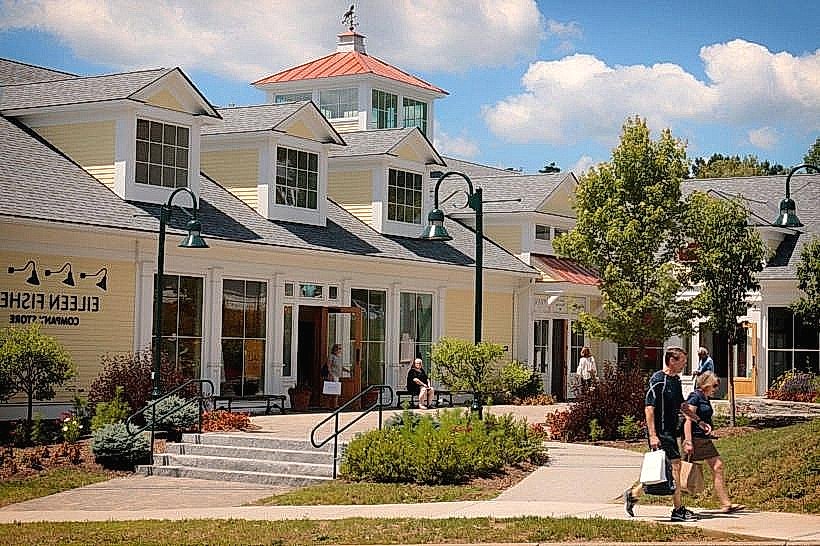
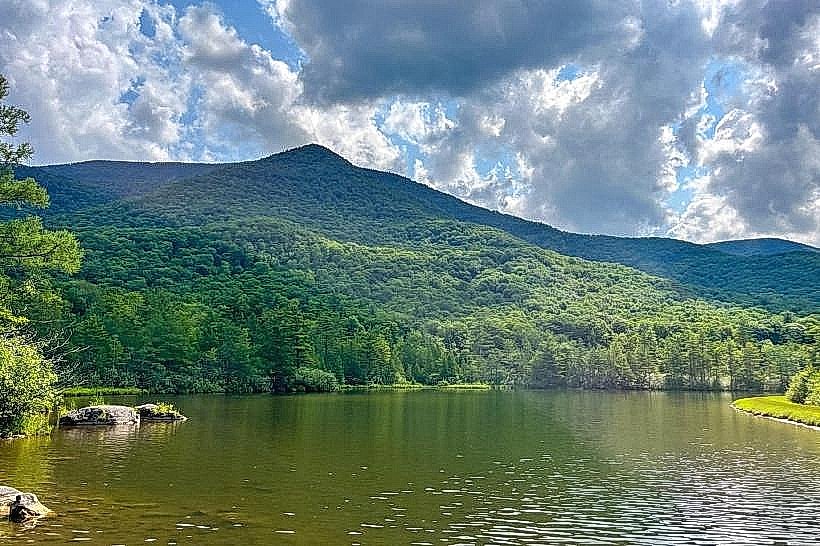
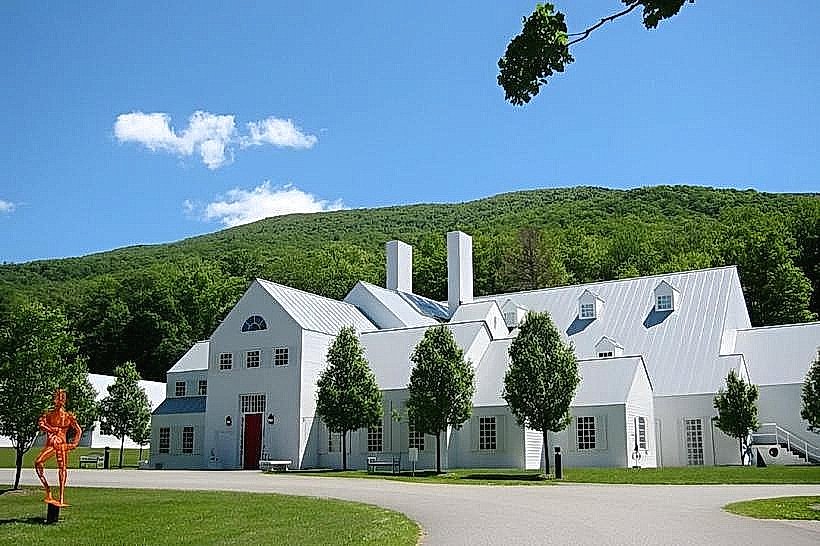
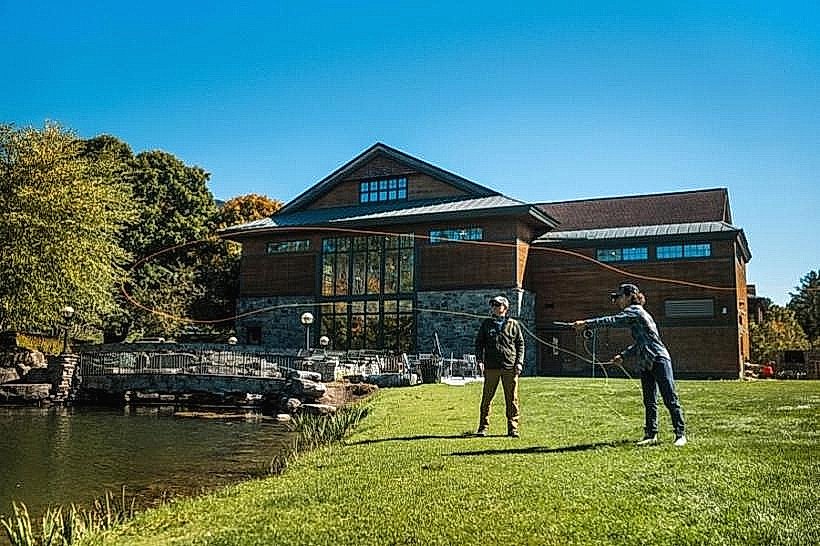
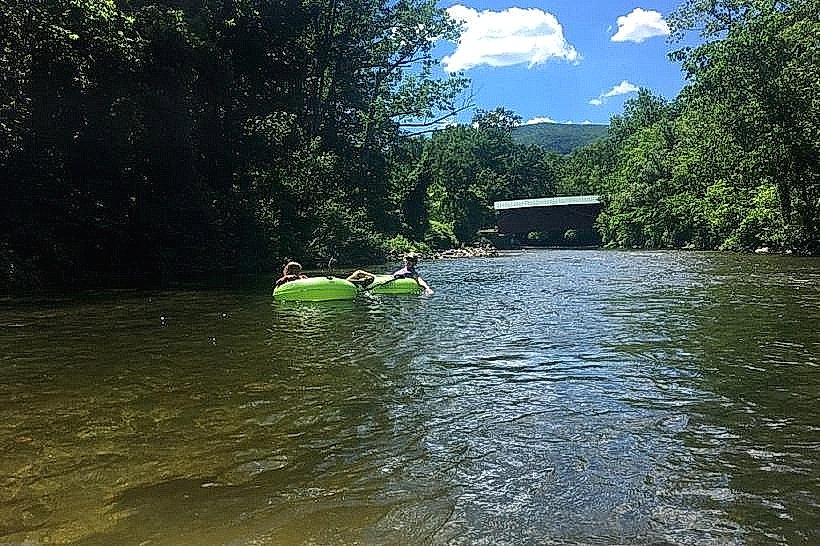
Landmark: Hildene (Lincoln Family Home)City: Manchester VT
Country: USA Vermont
Continent: North America
Hildene (Lincoln Family Home), Manchester VT, USA Vermont, North America
The Traditional Mossi Chiefdoms in Kaya, Burkina Faso, represent a collection of historical administrative and cultural centers of the Mossi people.
Visual Characteristics
These chiefdoms are typically characterized by compounds constructed from banco (mudbrick), often featuring flat roofs and enclosed courtyards. Structures vary in size, from simple dwellings to more elaborate residences for chiefs and their families. Decorative elements may include carved wooden doors and painted facades, though these are subject to weathering and maintenance. The overall aesthetic is one of earth tones and organic integration with the surrounding savanna landscape.
Location & Access Logistics
Kaya is located approximately 100 kilometers northeast of Ouagadougou, the capital of Burkina Faso. Access to the chiefdoms within the Kaya region is primarily via paved roads, with the RN3 highway connecting Ouagadougou to Kaya. Within the city and surrounding areas, local roads and tracks provide access to individual compounds. Parking is generally available on-site or in designated areas near the compounds, depending on the specific chiefdom. Public transport options to Kaya include intercity buses from Ouagadougou. Local transport within Kaya and to the chiefdoms can be arranged via taxis or motorcycle taxis.
Historical & Ecological Origin
The Mossi Chiefdoms originated with the establishment of the Mossi kingdoms in the 15th century. These chiefdoms served as administrative units responsible for governance, justice, and taxation within their territories. The architectural style and construction methods are a direct adaptation to the local climate and available materials, utilizing banco for thermal regulation in the hot savanna environment. The ecological context is the West African savanna, characterized by distinct wet and dry seasons.
Key Highlights & Activities
Visitors can observe traditional compound architecture and learn about the social structure of the Mossi people. Opportunities exist to witness traditional crafts and potentially attend cultural ceremonies if scheduled. Understanding the lineage and responsibilities of the chief is a central aspect of engagement. Guided tours are often available through local cultural associations or guides.
Infrastructure & Amenities
Restrooms are generally not available within the traditional compounds themselves, with facilities typically found in nearby towns or designated visitor areas. Shade is provided by the architecture of the compounds and surrounding trees. Cell phone signal (4G/5G) can be intermittent, particularly in more remote areas outside of Kaya city. Food vendors are more commonly found in the central market areas of Kaya rather than directly at the chiefdoms.
Best Time to Visit
The best time of day for photography is generally during the early morning or late afternoon when the light is softer and shadows are more pronounced. The dry season, from November to April, offers the most favorable weather conditions with less rainfall and cooler temperatures. There are no specific tide requirements as this is a landlocked region.
Facts & Legends
A notable historical aspect is the enduring legacy of the Mossi Empire, which successfully resisted expansion by the Fulani and later the French colonial forces for extended periods. A local legend speaks of the founding chief, Naba Niandé, who is said to have arrived from the east and established the first Mossi kingdom, laying the groundwork for the chiefdom system.
Nearby Landmarks
- Grand Mosque of Kaya (1.5km West)
- Kaya Central Market (2km Southwest)
- Musée d'Art et de Tradition (3km West)
- Parc National du Ranch de Banh (approximately 40km North - requires dedicated transport)