Information
Landmark: Hiroshima City Museum of Contemporary ArtCity: Hiroshima
Country: Japan
Continent: Asia
Hiroshima City Museum of Contemporary Art, Hiroshima, Japan, Asia
The Hiroshima City Museum of Contemporary Art is a cultural institution located in Hiroshima, Japan. It is dedicated to the exhibition and preservation of modern and contemporary art.
Visual Characteristics
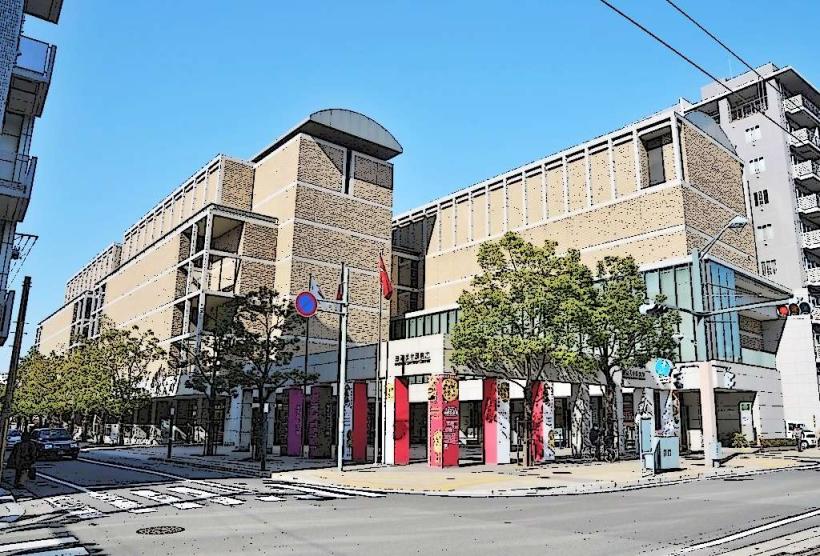
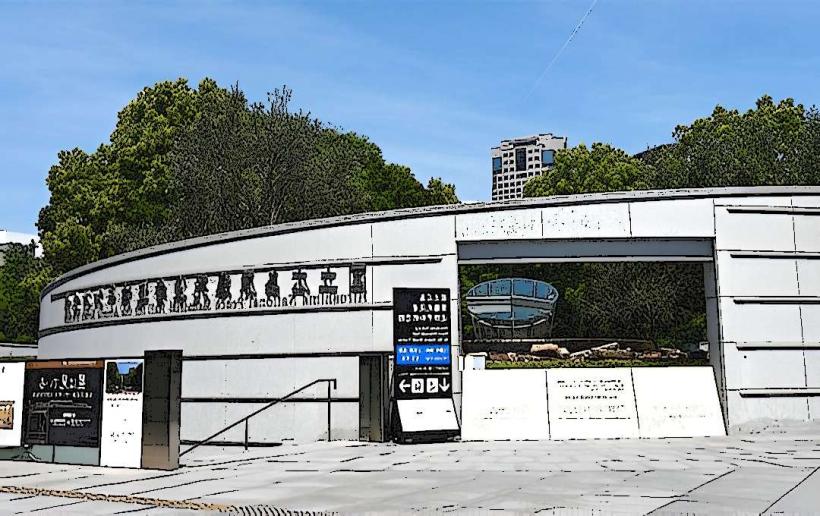
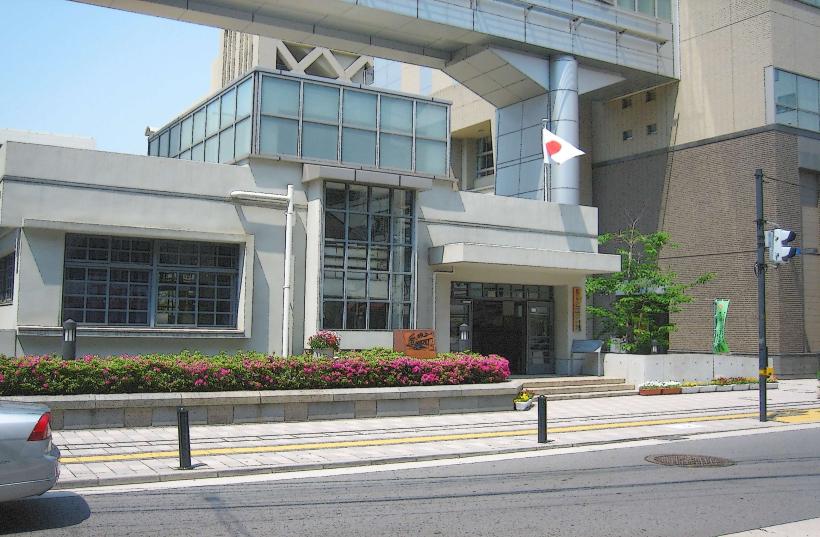
The museum building is characterized by its distinctive triangular prism shape, constructed primarily from reinforced concrete and glass. Its exterior features a dark, textured concrete finish. The structure rises to a height of approximately 25 meters. The architectural style is often described as Brutalist, with a focus on geometric forms and exposed materials.
Location & Access Logistics
The museum is situated within Hijiyama Park, approximately 2.5 kilometers southeast of Hiroshima Station. Access by car involves following Prefectural Road 261 (Hiroshima-Miyoshi Line) and then turning onto local park roads. Parking is available in a dedicated lot adjacent to the museum, with a capacity for 150 vehicles. Public transport options include the Hiroshima Electric Railway streetcar; take Line 2 or Line 6 to the "Hijiyama-shita" stop, followed by a 10-minute walk uphill. Alternatively, the Hiroshima Sightseeing Loop Bus "Meipuru~pu" (Orange Route) stops directly at the museum.
Historical & Ecological Origin
The Hiroshima City Museum of Contemporary Art was designed by Japanese architect Kisho Kurokawa and opened in 1989. Its original purpose was to serve as a central hub for contemporary art in the Chugoku region, fostering cultural exchange and providing a platform for artists. The museum is built on Hijiyama, a hill that has historical significance as a former military site and later a residential area.
Key Highlights & Activities
Permanent collection exhibitions focus on post-war Japanese art and art from Hiroshima. Temporary exhibitions feature international and domestic contemporary artists. Visitors can explore the museum's architecture and its integration with the surrounding park. The museum shop offers art-related books and merchandise. Educational programs and artist talks are scheduled periodically.
Infrastructure & Amenities
Restrooms are available on each floor. Shaded areas are provided by the building's overhangs and within the park. Cell phone signal (4G/5G) is generally available within the museum and surrounding park. Food and beverage options are limited to vending machines within the museum; more extensive dining facilities are located in the city center.
Best Time to Visit
For optimal lighting on the exterior architecture, late afternoon provides angled sunlight. The museum is open year-round, Tuesday through Sunday. Specific exhibition dates and times should be verified on the museum's official website. Weather is generally mild in spring (March-May) and autumn (September-November), offering pleasant conditions for exploring the park.
Facts & Legends
A unique aspect of the museum's design is its integration with the natural slope of Hijiyama, creating a sense of the building emerging from the earth. The museum's collection includes works by artists who experienced the atomic bombing, offering a poignant connection to Hiroshima's history.
Nearby Landmarks
- Hijiyama Park Observatory (0.2km North)
- Hiroshima Prefectural Art Museum (1.5km West)
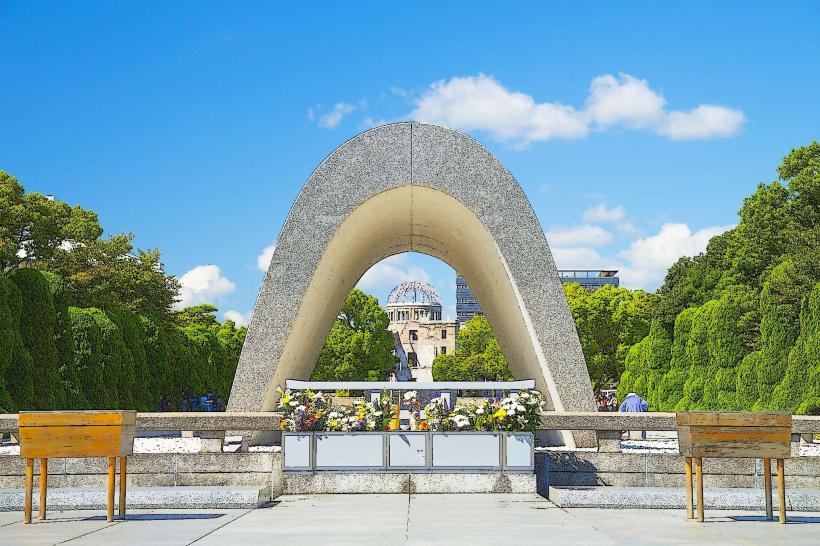
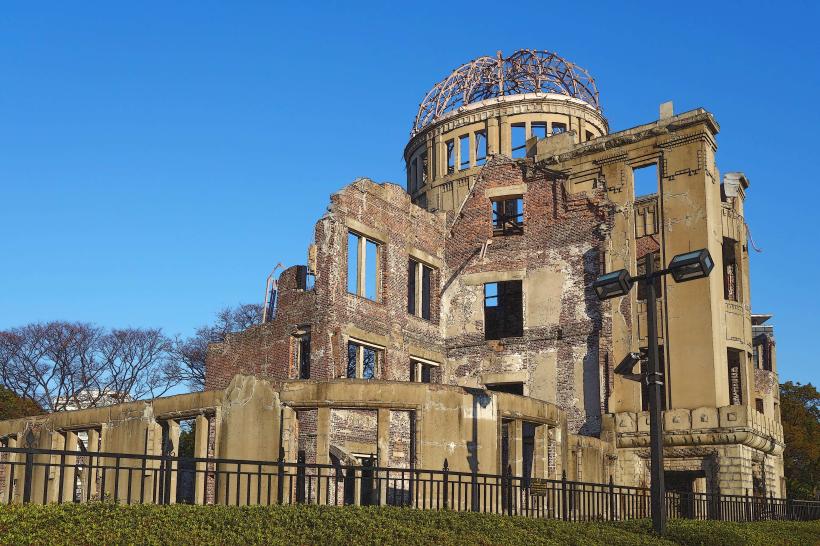
- Hiroshima Peace Memorial Park (2.0km West)
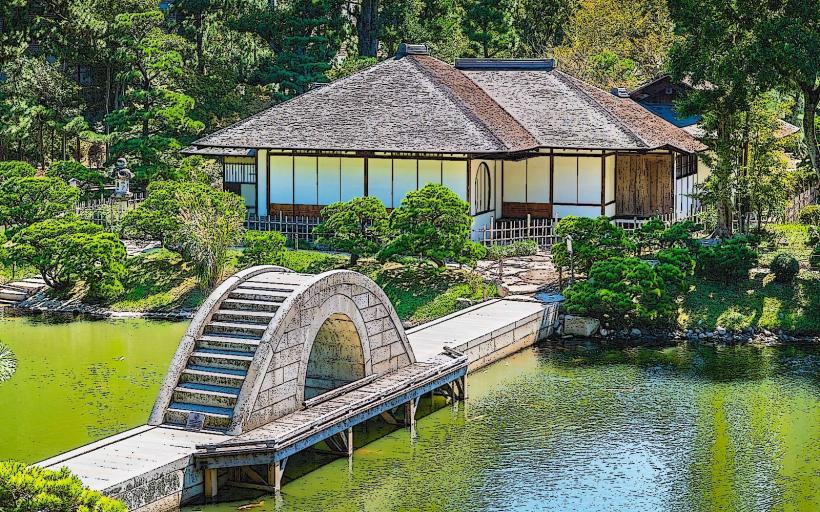
- Shukkei-en Garden (2.2km West)
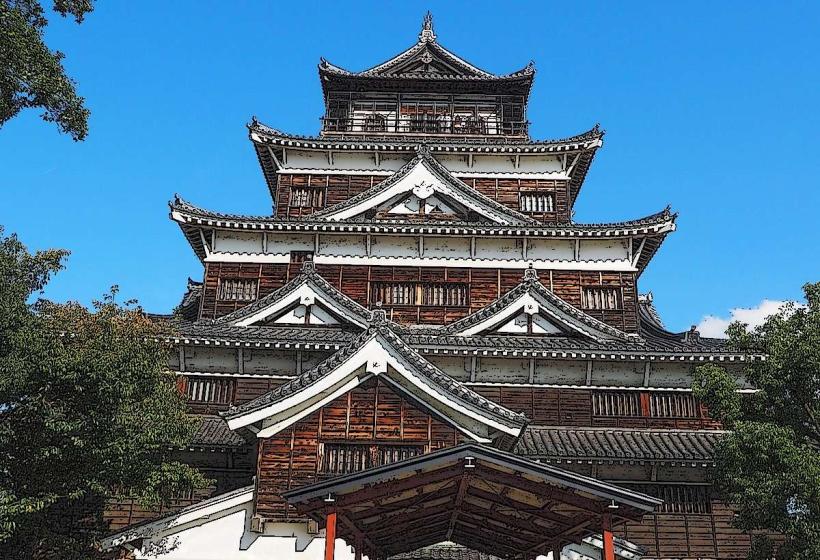
- Hiroshima Castle (2.5km Northwest)