Information
Landmark: International Slave Route MonumentCity: Le Morne
Country: Mauritius
Continent: Africa
International Slave Route Monument, Le Morne, Mauritius, Africa
Slave Route Monument
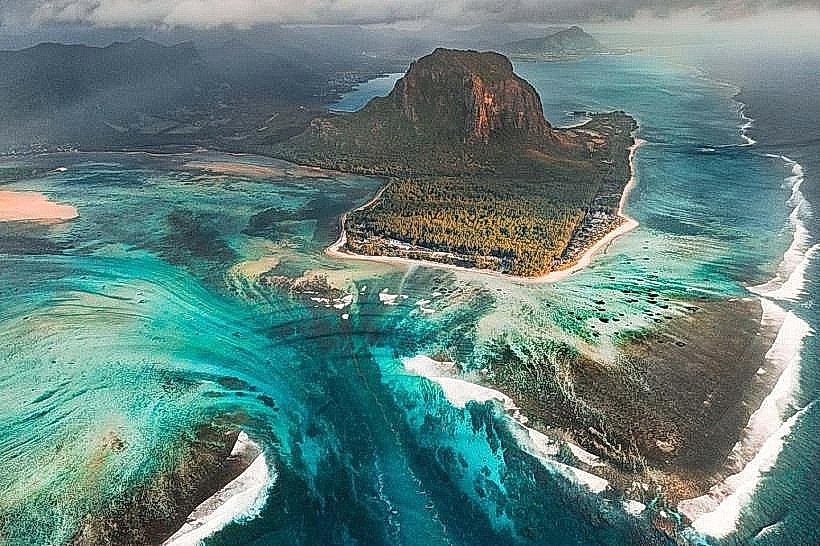
The Slave Route Monument is a commemorative site located at the foot of Le Morne Brabant Mountain on the Le Morne Peninsula. It serves as a memorial to the victims of the transatlantic slave trade and honors the resistance and cultural legacy of enslaved people in Mauritius.
Visual Characteristics
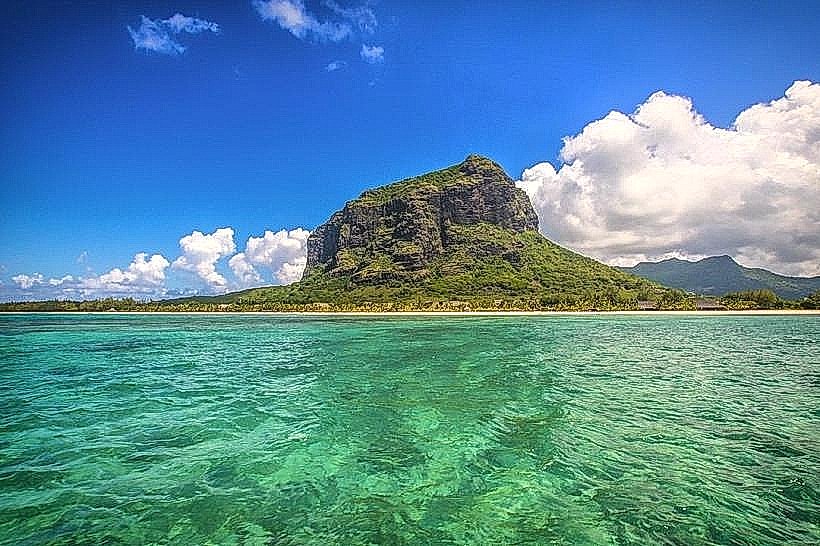
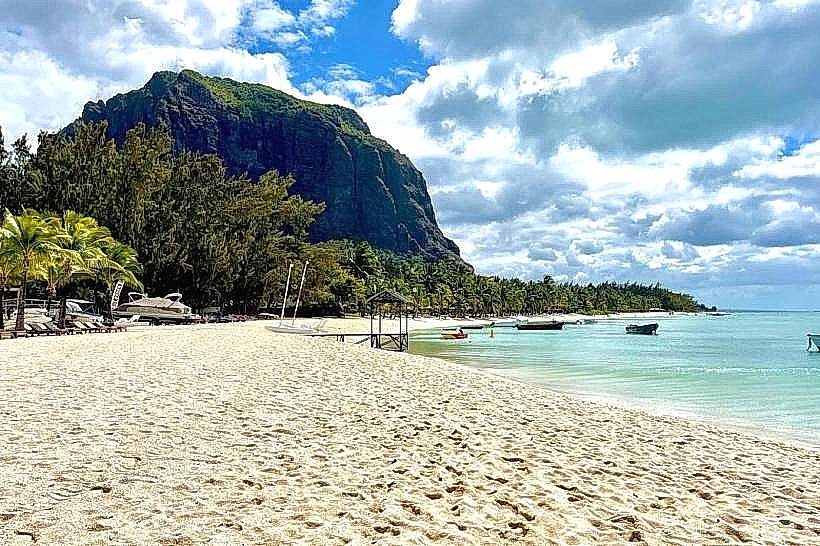
The monument is an outdoor architectural installation featuring a series of large basaltic stone sculptures and plaques arranged in a circular formation. The central artwork depicts stylized human figures emerging from the stone, representing the struggle for freedom. The site is open to the landscape, with the vertical cliffs of Le Morne Brabant serving as a dramatic backdrop and the Indian Ocean situated directly to the south.
Location & Access Logistics
The monument is located at the entrance to the Le Morne Cultural Landscape.
Address: Unnamed Road, Le Morne, Mauritius.
Driving: Situated off the B9 coastal road. There is a gravel parking area adjacent to the site.
Access: The site is open to the public during the following hours:
Monday to Friday: 09:30 – 15:30
Saturday: 09:30 – 15:00
Sunday: 09:30 – 12:00
Historical & Cultural Significance
Inscribed as part of the UNESCO World Heritage site in 2008, the monument is a key component of the "Slave Route Project." It marks the geographical area where runaway slaves, known as maroons, established secret settlements in the mountain's inaccessible caves. The site commemorates the abolition of slavery in Mauritius (1835) and serves as a global symbol of the fight against oppression.
Key Highlights & Activities
Historical Reflection: Visitors can read commemorative plaques that detail the origins of enslaved people brought to Mauritius from Africa, Madagascar, and parts of Asia.
Educational Tours: The site is often the starting point for cultural tours explaining the "maroon" history of the peninsula.
Photography: The alignment of the stone sculptures with the mountain peak is a primary subject for historical and landscape photography.
Infrastructure & Amenities
Facilities: The site is a minimalist outdoor memorial. There are no restrooms or food vendors at the monument itself; these are located 1 km away at Le Morne Public Beach.
Connectivity: 5G cellular signal is stable.
Accessibility: The ground is flat and composed of gravel and stone pathways, making it mostly accessible, though the surface is uneven.
Best Time to Visit
The best time to visit is in the early morning (09:30–11:00) to avoid the peak heat and the crowds that arrive for the nearby hiking trail. The site's location at the foot of the mountain means it receives direct morning light, which is optimal for viewing the sculptures.
Facts & Legends
The monument's circular design is intended to represent the "Tree of Life" and the interconnectedness of the different cultures that formed the Mauritian population. A local tradition involves placing flowers at the base of the sculptures on February 1st, which is the public holiday commemorating the Abolition of Slavery in Mauritius.
Nearby Landmarks
Le Morne Brabant Trailhead: 0.8 km North
Le Morne Public Beach: 1.0 km West
Maconde Viewpoint: 6.2 km East
Chamarel Seven Coloured Earth: 14.5 km Northeast