Information
Landmark: Itsukushima Shrine (Miyajima)City: Hiroshima
Country: Japan
Continent: Asia
Itsukushima Shrine (Miyajima), Hiroshima, Japan, Asia
Overview
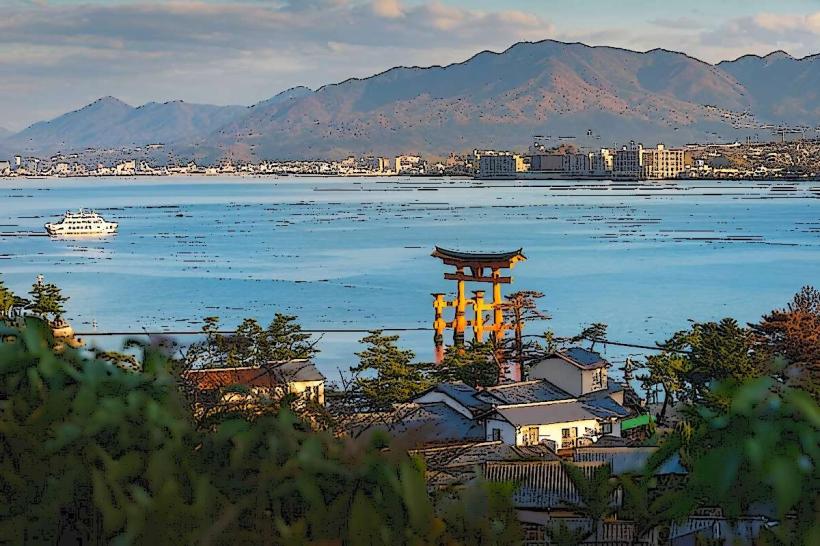
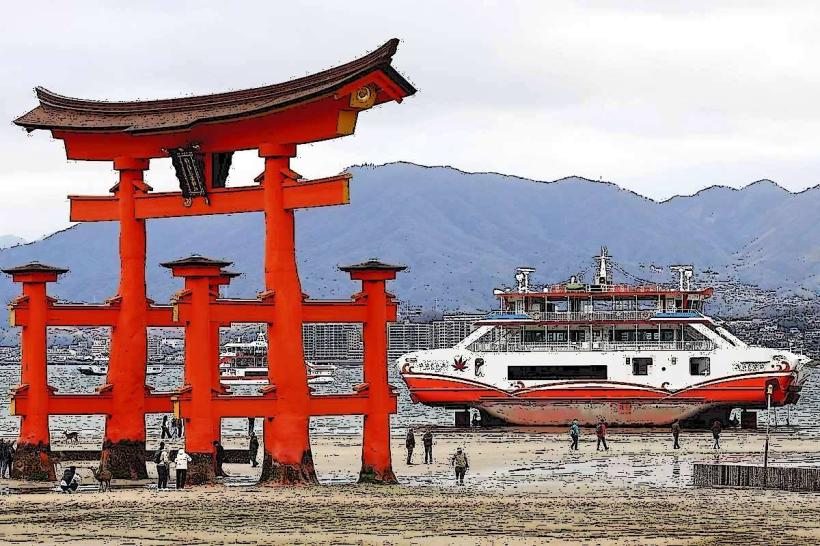
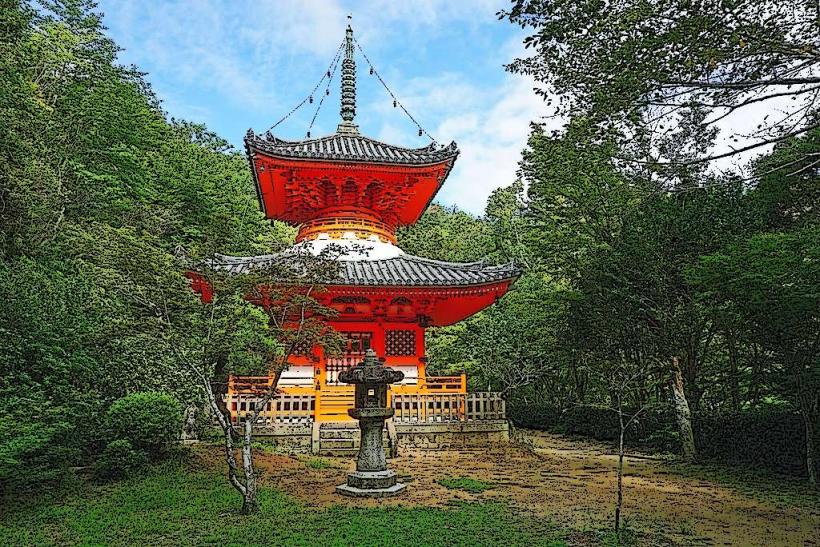
Just so you know, Perched on Miyajima Island in the calm, blue waters of the Seto Inland Sea near Hiroshima, Itsukushima Shrine (厳島神社, Itsukushima Jingu) stands as one of Japan’s most revered and recognizable Shinto sanctuaries, and famous for its striking beauty and deep spiritual roots, this UNESCO World Heritage Site draws millions each year, eager to amble its ancient paths, feel the weight of its history, and take in the sweeping views that stretch to the horizon.First, therefore itsukushima Shrine, believed to have been built in 593 AD by Saeki no Kuramoto, stands on Miyajima-an island long regarded as sacred, where waves once lapped against untouched forest long before the shrine rose, mildly Over the years, the shrine rose in prominence, turning into a sacred gathering region devoted to the Three Deities of Itsukushima-Susa-no-Ō, Ichikishimahime, and Tagorihime-where lanterns once flickered against the evening tide, not only that the whole island of Miyajima, home to the shrine, is regarded as sacred and lies within the quiet beauty of Setonaikai National Park.Miyajima means “shrine island,” and for centuries, no one was permitted to be born or die there; its deep green forests, smelling of pine and salt, were kept sacred for the gods, on top of that in 1996, UNESCO honored Itsukushima Shrine as a World Heritage Site for its rich history and cultural significance, where crimson gates rise from the tide.The shrine shows classic Shinto design, its curved roof and wooden beams blending seamlessly with the surrounding pines and moss-covered stones, at the same time number two.As far as I can tell, The torii gate at Itsukushima Shrine seems to float on the water, and it’s easily one of Japan’s most iconic, most photographed sights-especially when the tide turns it into a crimson reflection, in turn rising from the shallow waters of the Seto Inland Sea, the massive gate seems to float at high tide, its vivid orange pillars casting ripples across the surface.The gate stands roughly 16.6 meters high, towering like a six-story building, and tips the scales at around 60 tons, along with built in 1168 during the Heian period, it has been rebuilt and carefully tended ever since, its wooden beams still carrying the quiet weight of its sacred purpose.The torii gate stands as the line between sacred space and everyday life, just as it does at countless Shinto shrines where its red beams frame the sky, equally important the shrine complex holds several structures: the main hall (honden), where the sacred object rests; the prayer hall (haiden), where visitors bow and clap; and a scatter of smaller shrines tucked beneath the shade of ancient pines.Elevated walkways link the buildings, their wooden planks giving the whole region a quiet, scenic charm, furthermore they raised the whole complex on sturdy stilts, keeping floodwaters at bay and letting it blend naturally with the ripple and shimmer of the surrounding water, perhaps Shinto Architecture: Itsukushima Shrine showcases the classic Shinden-zukuri style, with a steep thatched roof, sturdy wooden pillars, and a raised platform that seems to float just above the earth, also the shrine’s design blends seamlessly with its surroundings, letting visitors step inside and feel the quiet rustle of leaves as part of the sacred space, in a sense Sacred Space: This shrine honors three sea deities, so its spirit feels tied to water and the wild-like the salt tang you catch on a breeze near the shore, to boot the layout’s been designed with care, blending curved walkways and open green space to capture a quiet balance between human design and the surrounding landscape.Tucked between whispering pines and a lake that glints in the sun, the shrine feels charged with a quiet, spiritual energy, in turn three.The Floating Effect Tidal Phenomenon: When the tide comes in, the torii gate and main hall of Itsukushima Shrine seem to hover above the water, their red pillars mirrored in the rippling sea, moreover at high tide, the shrine’s main halls seem to drift on the shimmering water, casting a quiet spell over the bay, more or less Because of this, the site has become one of Japan’s most photographed spots, especially at sunrise or sunset, when the low light turns the sky gold and deepens every shadow, alternatively at low tide, you can stroll right up to the torii gate and spot the barnacled stones at its base.As the tide changes, it reveals the shrine’s bond with the living world-a rhythm as fluid as water sliding over stone, where the sacred meets the fleeting, then number four.The shrine honors sea deities, and like many in the Shinto tradition, its sanctity comes from the belief that kami-spiritual beings-dwell in the natural world, from the rustle of pine needles to the crash of waves, subsequently people spot the island and its shrine as a living embodiment of kami, rising from the sea into the sunlight.Annual Festivals: Itsukushima Shrine hosts several traditional celebrations, like the Miyajima Water Fireworks Festival, where dazzling bursts light up the summer night sky, as a result the biggest celebration is Tori-no-Ichi, the festival of the torii gate, when the shrine honors its deep bond with the sea and the gods who guard it, as waves crash softly against the shore.At the shrine, visitors pause to whisper prayers for good health, lasting happiness, and risk-free journeys, sometimes leaving a petite candle flickering in the quiet air, in addition many people also take part in rituals, from ringing a bronze bell that echoes through the air to leaving tiny offerings at the altar.The shrine’s quiet beauty draws visitors in, inviting them to pause and reflect, like hearing a soft breeze stir the pine trees overhead, then number five sat bold on the page, like a black pebble against white sand.Other notable features include Itsukushima Shrine’s Treasure Hall, or Kōbō, where you can notice ancient scrolls edged in gold, gleaming samurai swords, delicate paintings, and other sacred objects, likewise the shrine holds many objects tied to its long history, including a few that have stood for over a thousand years, their surfaces worn smooth by time.Perched on Mount Misen, the highest peak on Miyajima, Daishō-in Temple welcomes visitors with quiet courtyards and incense drifting through the air, adding to the sacred feel of nearby Itsukushima Shrine, besides the temple honors the Buddhist deity Kōbō Daishi, with winding garden paths that drift past ponds and open onto quiet views of the Seto Inland Sea.Number six, in conjunction with visiting Itsukushima Shrine means heading to Miyajima Island, a short ferry ride from Hiroshima, where the red torii gate seems to float on the water at high tide.You can hop on a ferry from Hiroshima and be there in about 10 minutes, watching the city’s skyline fade behind you, not only that you can reach Miyajima Island by boat or train, so it’s an easy day trip from Hiroshima-just twenty minutes across the sparkling bay, maybe You’ll need to pay a petite fee to get into the main shrine complex, in addition adults usually pay about ¥300 to get in, roughly the price of a boiling cup of tea.The ferry to the island costs extra, though many regional discover passes cover it-just flash your pass at the dock and you’re on your way, in conjunction with the ideal time to view Itsukushima Shrine is early in the morning or late in the afternoon, when soft light washes over the torii gate and the crowds haven’t yet gathered, slightly Spring’s cherry blossoms and the blaze of autumn make the shrine unforgettable, with petals drifting through the air or leaves blazing gold and crimson against its serene backdrop, in addition seven.In conclusion, Itsukushima Shrine on Miyajima Island captivates with its crimson torii rising from the tide, blending sacred history, stunning scenery, and deep cultural heritage into one unforgettable location, in conjunction with with its crimson torii gate rising from the water, sacred grounds, and centuries-aged buildings, it stands among Japan’s most iconic places.I stopped by Itsuku, where the air smelled faintly of grilled fish.
Author: Tourist Landmarks
Date: 2025-09-16