Information
Landmark: Jajce Ethnological MuseumCity: Jajce
Country: Bosnia and Herzegovina
Continent: Europe
Jajce Ethnological Museum, Jajce, Bosnia and Herzegovina, Europe
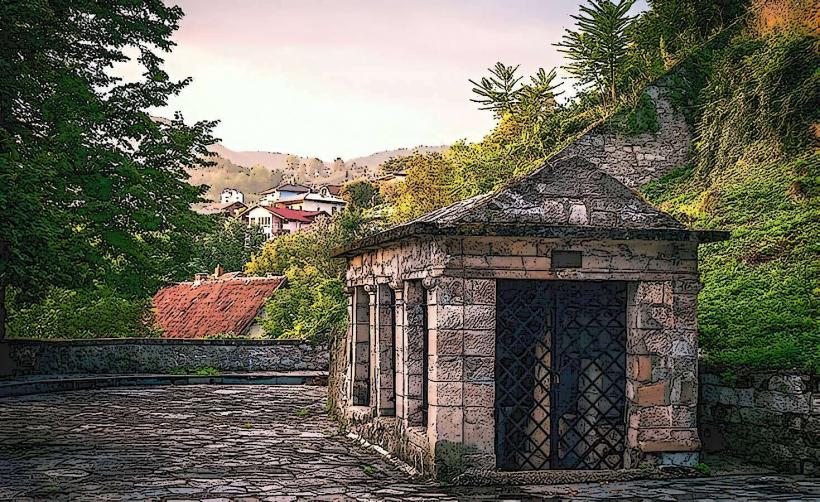
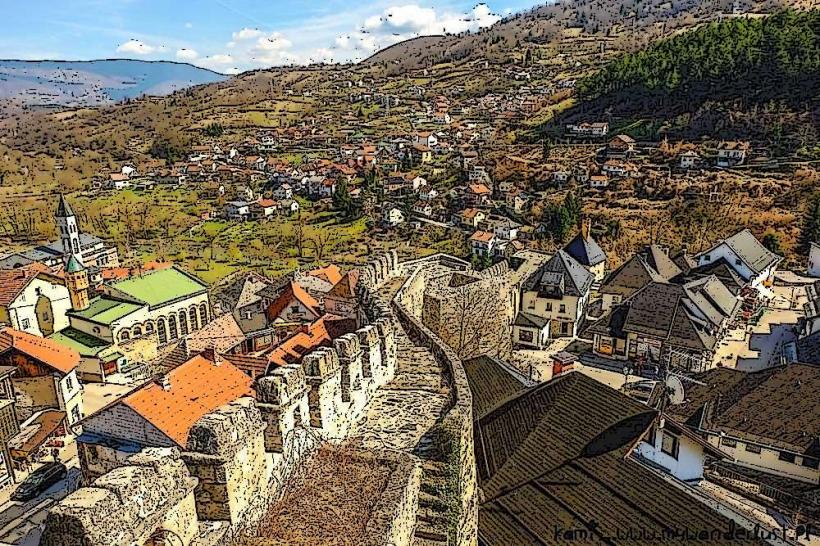
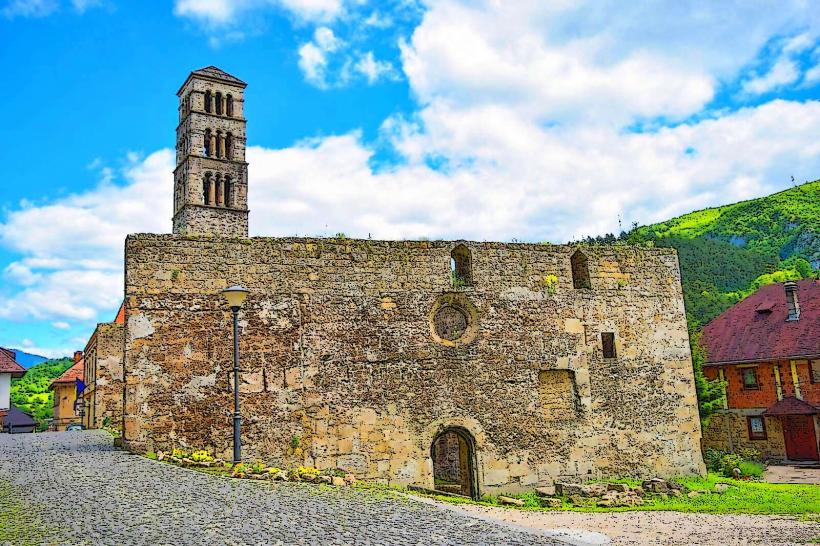
The Ethnographic Museum Jajce is a cultural institution dedicated to the preservation of folk traditions and material heritage of the central Bosnian region. It is situated within the medieval Old Town walls of Jajce, housed in the former building of the primary school near the Catacombs.
Visual Characteristics
The museum is housed in a two-story Austro-Hungarian era building featuring a stone ground floor and a plastered upper level. The exterior is characterized by a symmetrical facade with rectangular windows and a steep, dark-tiled roof. Inside, the exhibition spaces are divided into thematic rooms with wooden flooring and whitewashed walls, displaying artifacts in glass cases and open-air dioramas.
Location & Access Logistics
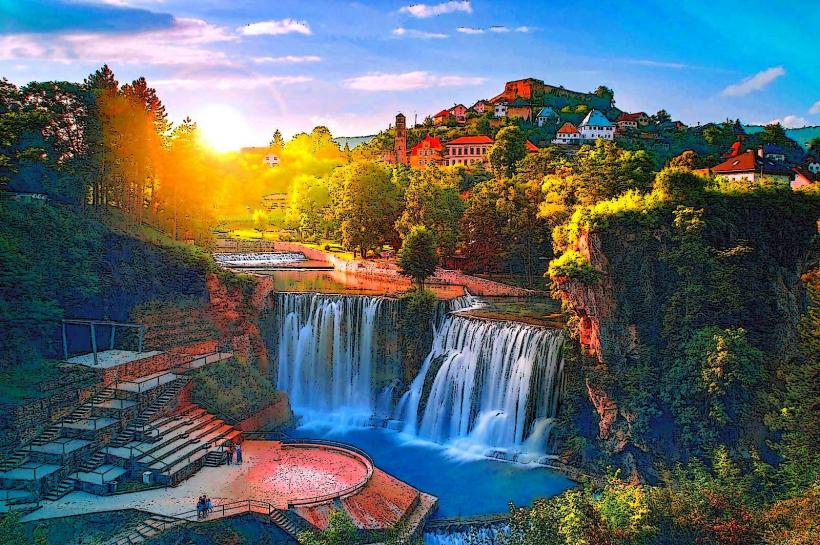
The museum is located at Svetog Luke 15, approximately 450 meters north of the Jajce city center. It is accessible on foot via the uphill cobblestone paths of the Old Town. The nearest public transport hub is the Jajce bus station, located 0.7 kilometers to the south. No private vehicle parking is available at the museum entrance; visitors must use the municipal parking lots at the base of the hill near the Pliva Waterfall.
Historical & Ecological Origin
The museum was established to document the diverse cultural influences-Illyrian, Roman, Medieval Bosnian, Ottoman, and Austro-Hungarian-that shaped the Jajce region. The building itself dates to the late 19th century, constructed during the Austro-Hungarian administration. It sits on a karst limestone plateau that forms the geological foundation of the fortified city core.
Key Highlights & Activities
The permanent collection includes traditional national costumes, jewelry, and tools used in ancient crafts like blacksmithy and weaving. A significant section is dedicated to the "Jajce room," a reconstruction of a 19th-century residential interior with authentic furniture (minderluk) and woodcarvings. Visitors can observe the specific techniques used in the production of local textiles and tufa-stone construction.
Infrastructure & Amenities
The facility contains a small reception area and an official gift shop. Restrooms are available for visitors within the building. 4G and 5G cellular coverage is consistent throughout the premises. The museum is located within 200 meters of several historic sites and small cafes located in the residential part of the Old Town.
Best Time to Visit
The museum is most accessible during the peak tourism season from May to October. For photography, the morning hours provide the best natural light for the indoor exhibits. The building provides a cool environment, making it a suitable midday destination to avoid outdoor summer heat. It is closed on certain public holidays; checking local schedules is advised.
Facts & Legends
The museum houses rare examples of "blacksmithy" products from Jajce, which was historically famous for producing high-quality steel blades and tools exported across the Ottoman Empire. A local historical oddity is the collection of traditional "opanci" (leather footwear) which features designs specific only to the villages in the surrounding Vrbas and Pliva valleys.
Nearby Landmarks
Catacombs of Jajce (0.05km West)
St. Luke’s Bell Tower (0.1km South)
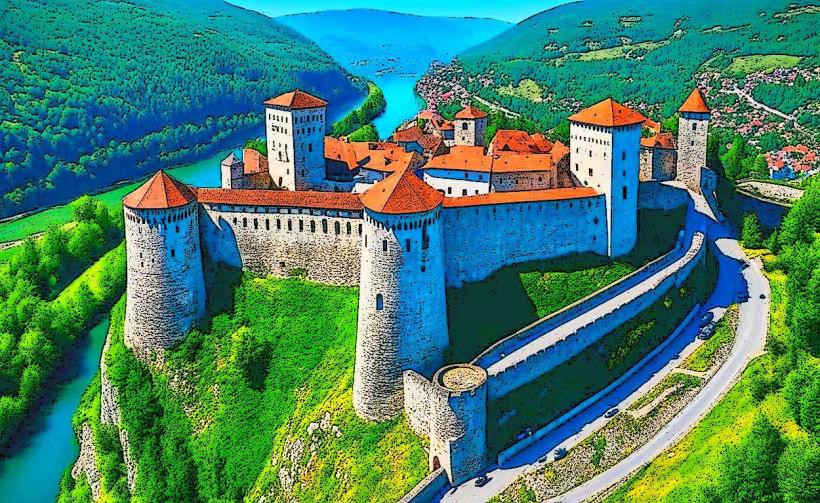
Jajce Fortress (0.2km North)
Medvjed Tower (0.15km Northwest)
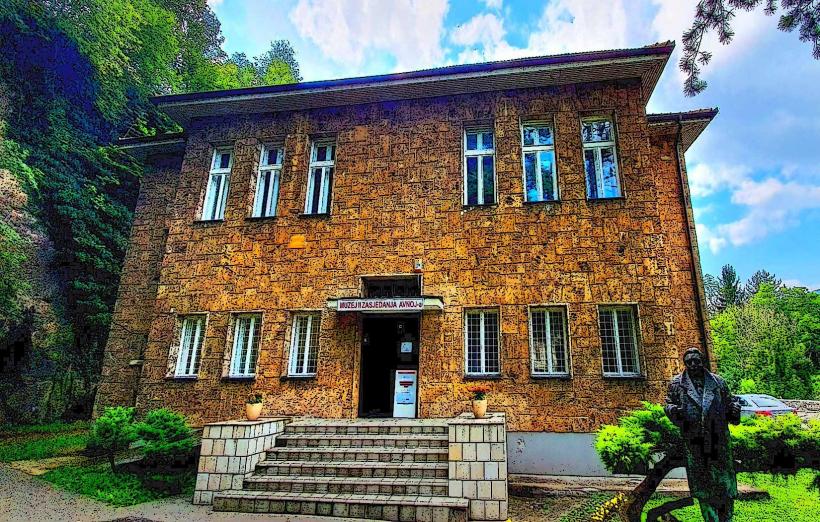
AVNOJ Museum (0.45km South)