Information
Landmark: St. Mary's ChurchCity: Jajce
Country: Bosnia and Herzegovina
Continent: Europe
St. Mary's Church, Jajce, Bosnia and Herzegovina, Europe
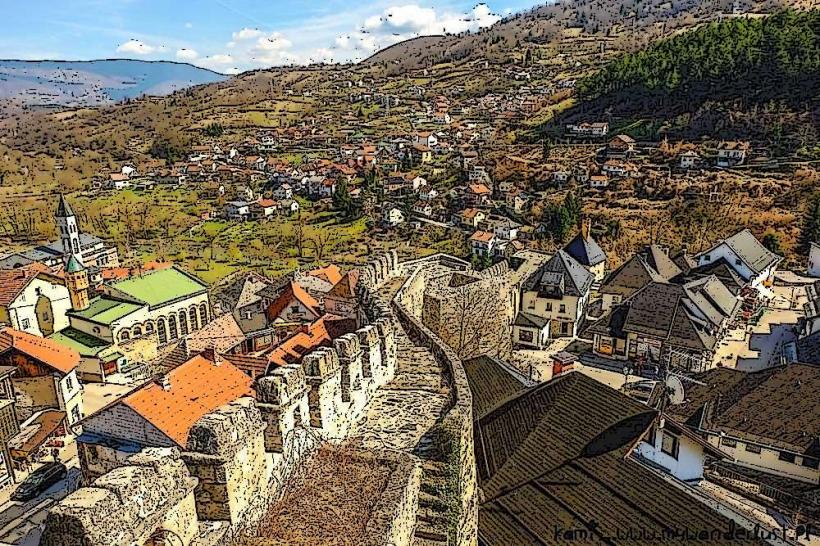
St. Mary's Church, accompanied by St. Luke’s Bell Tower, is a medieval religious ruin located on a plateau within the Old Town of Jajce. It is situated on the slope between the Catacombs and the Jajce Fortress in central Bosnia and Herzegovina.
Visual Characteristics
The site consists of the roofless stone perimeter walls of a Gothic-style basilica and an adjacent 23-meter-tall Romanesque bell tower. The tower features four stories of bifora (double-arched) windows, increasing in size toward the top, and is constructed from finely dressed local limestone. The church interior shows evidence of structural transitions, including pointed Gothic window frames and a later-added mihrab niche from its period as a mosque.
Location & Access Logistics
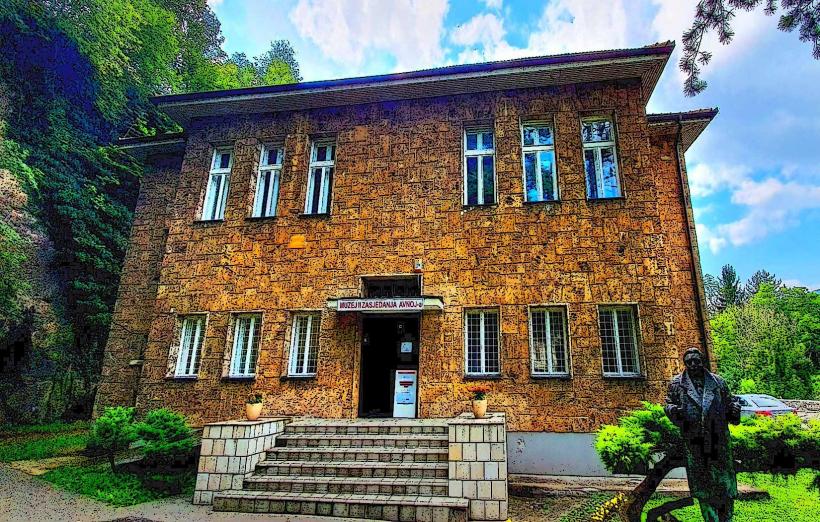
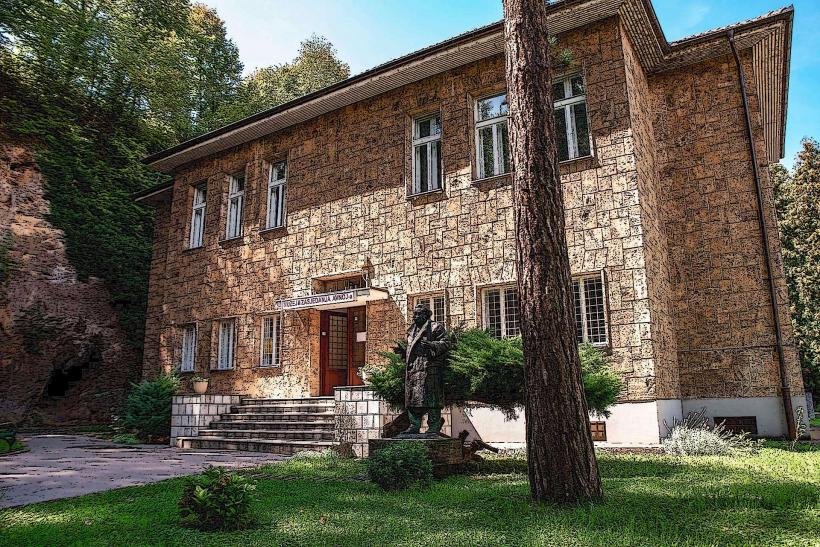
The church is positioned in the upper district of the Old Town, approximately 0.5 kilometers from the city's main bus station. Access is via the steep, cobblestone streets of the historic core; it is located directly adjacent to the Catacombs. No vehicle access is permitted to the site; visitors must park at the public lots near the Pliva Waterfall or the AVNOJ Museum and ascend on foot.
Historical & Ecological Origin
The church was built in the 12th or 13th century on the site of an earlier Romanesque structure. It gained significant status in 1461 as the coronation site of Stephen Tomašević, the last Bosnian King. Following the Ottoman conquest in 1528, the building was converted into the Sultan Suleiman Mosque. The structure was largely gutted by a fire in 1832 and has remained a preserved ruin since. The foundation is anchored into the karst limestone of the Jajce hill.
Key Highlights & Activities
Visitors can examine the transition between Romanesque and Gothic architectural styles and view the distinct bifora windows of the bell tower, which is the only preserved medieval belfry of its kind in the Balkans. The site serves as an open-air museum where the integration of Islamic architectural elements into a Christian basilica is visible. The exterior plateau provides a clear vantage point of the Vrbas river canyon.
Infrastructure & Amenities
The ruin is an open-access site, though fenced for preservation; access to the interior often requires a combined ticket with the Catacombs. There are no restrooms or seating facilities within the church walls. 4G and 5G cellular signals are consistent due to the elevated location. General amenities including shops and cafes are located 200 meters downhill in the city center.
Best Time to Visit
Late afternoon offers the most effective lighting for photography, as the sun illuminates the western facade of St. Luke's Bell Tower. The site is particularly striking in late spring when the surrounding vegetation is lush. Winter visits require caution as the surrounding stone paths and stairs become highly slippery when iced.
Facts & Legends
Local tradition holds that the relics of St. Luke the Evangelist were housed in the church for several years during the 15th century, having been brought as a dowry by Queen Mary (Mara). A verified historical oddity is that the building's conversion to a mosque did not involve the demolition of the bell tower; it was instead utilized as a minaret, which accounts for its unique state of preservation.
Nearby Landmarks
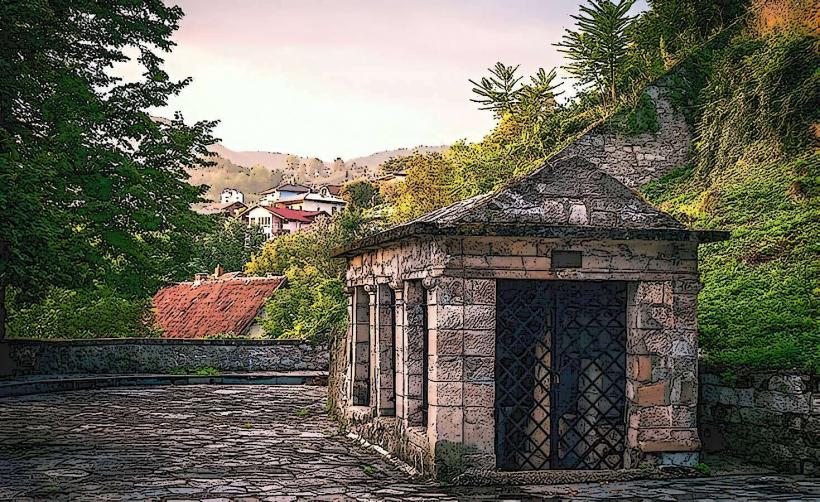
Catacombs of Jajce (0.05km West)
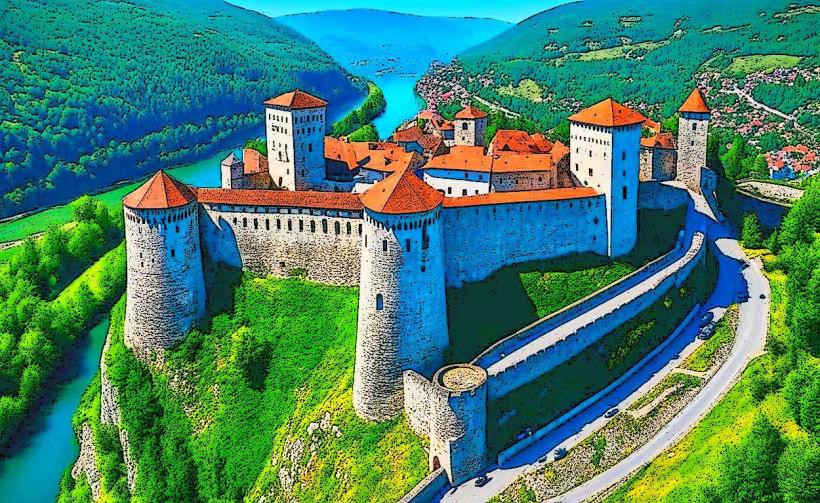
Jajce Fortress (0.15km North)
Medvjed Tower (0.25km Northwest)
Temple of the Holy Trinity (0.3km North)
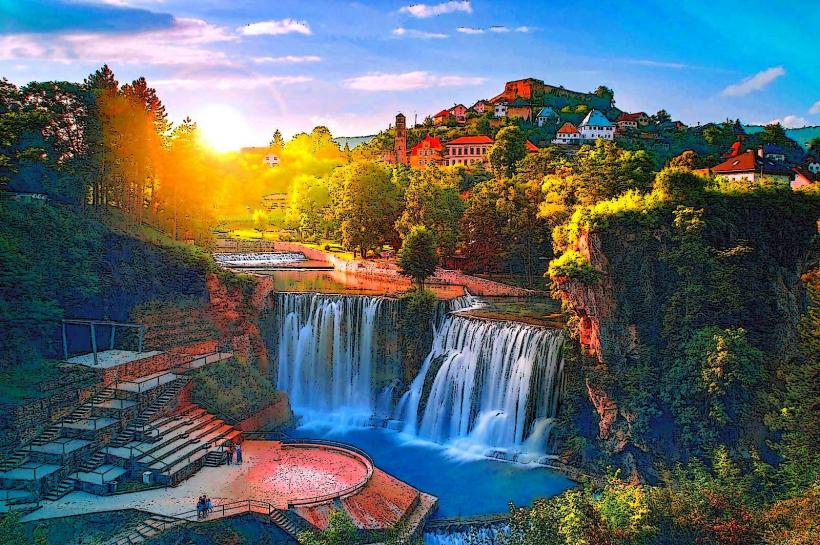
Jajce Waterfall (0.4km South)