Information
Landmark: Jajce FortressCity: Jajce
Country: Bosnia and Herzegovina
Continent: Europe
Jajce Fortress, Jajce, Bosnia and Herzegovina, Europe
Jajce Fortress is a medieval military fortification situated at the apex of the egg-shaped hill that gives the city of Jajce its name. It is located in the central region of Bosnia and Herzegovina, positioned 470 meters above sea level at the confluence of the Pliva and Vrbas rivers.
Visual Characteristics
The fortress is constructed from locally quarried limestone blocks and features a massive, irregular quadrilateral layout. The defensive walls are reinforced by several square towers, including the prominent Bear Tower (Medvjed kula), which has walls up to 6 meters thick. The interior plateau contains a central citadel, remains of a royal palace, and a stone portal bearing the 15th-century coat of arms of the Kotromanić dynasty.
Location & Access Logistics
The site is located at the highest point of the Old Town, approximately 0.5 kilometers from the main bus station. Access is via steep, narrow cobblestone streets originating from the Travnik Gate or the city center. Pedestrian navigation is required for the final 200-meter ascent. Limited parking is available in the lower city at the Pliva Waterfall lot; vehicles are restricted from the immediate fortress perimeter.
Historical & Ecological Origin
Construction was initiated in the 13th century by Hrvoje Vukčić Hrvatinić, with significant expansions during the 15th century when it served as the capital of the Bosnian Kingdom. It was the site of the coronation of King Stephen Tomašević in 1461. The structure underwent further modifications during the Ottoman occupation following its fall in 1527. The hill is a natural karst formation providing a 360-degree tactical view of the surrounding valleys.
Key Highlights & Activities
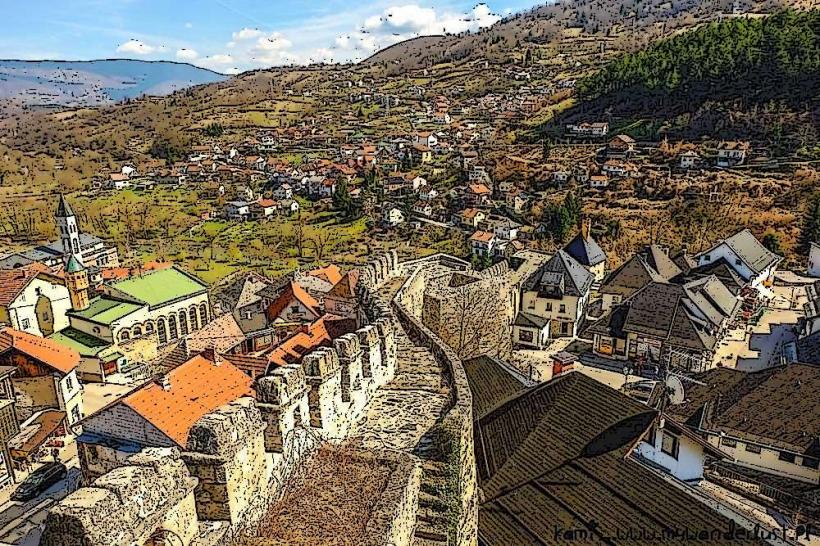
Visitors can walk the length of the restored ramparts for views of the surrounding mountains and the Pliva river system. The interior area is used for historical exhibitions and seasonal cultural events. Access to the citadel allows for the inspection of the royal portal and the medieval stone-carved insignia of the Bosnian monarchy.
Infrastructure & Amenities
The site has a designated ticket office at the main entrance portal. Bench seating is distributed along the interior perimeter. Restrooms are located at the base of the fortress near the Catacombs. 4G and 5G cellular signals are reliable due to the elevated, unobstructed position. No food or beverage vendors operate inside the walls, but several restaurants are situated in the Old Town immediately below the ramparts.
Best Time to Visit
The optimal period for visitation is between May and September when the site is accessible during extended daylight hours. Late afternoon provides the best light for photographing the valley and the Medvjed Tower. In winter, the stone paths can become hazardous due to ice, and visibility may be obscured by low-altitude fog common to the Vrbas canyon.
Facts & Legends
The fortress was the last stronghold of the Bosnian Kingdom to fall to the Ottoman Empire. A local historical oddity is the "Bear Tower," so named because legend claims prisoners were thrown into the tower to be consumed by bears, though historically it served as a specialized defensive structure designed to withstand early gunpowder artillery.
Nearby Landmarks
Catacombs of Jajce (0.1km South)
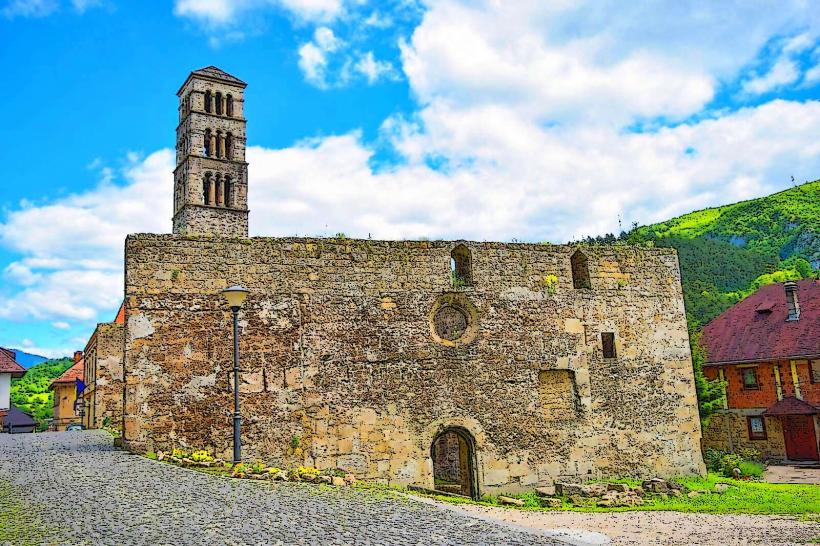
St. Luke’s Bell Tower (0.2km Southeast)
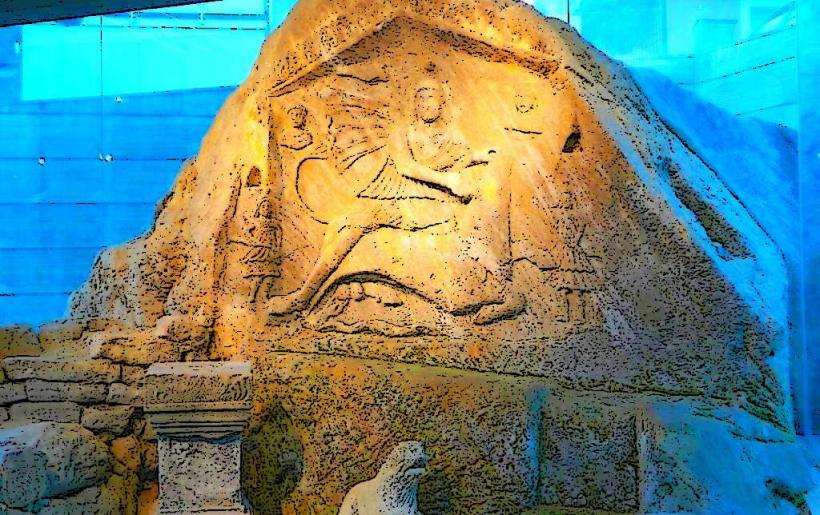
Mithraic Temple (0.4km West)
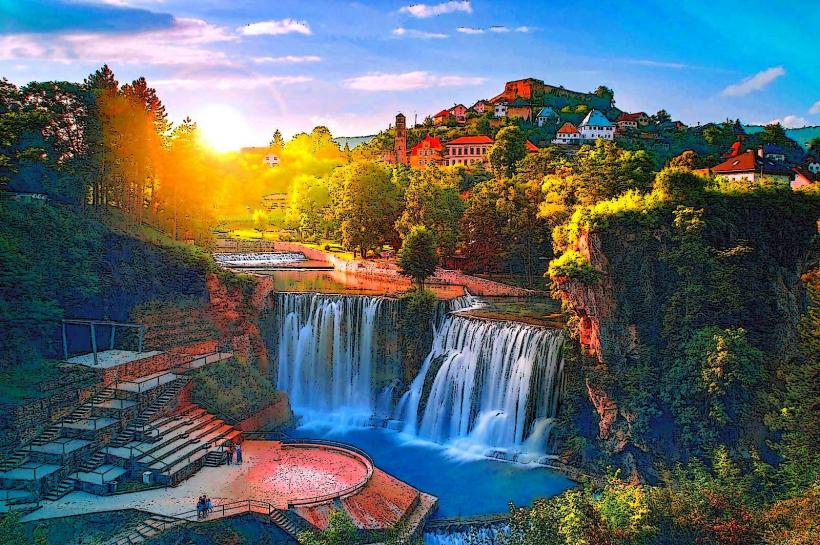
Jajce Waterfall (0.4km South)
Travnik Gate (0.3km East)