Information
Landmark: Ke'anae PeninsulaCity: Maui
Country: USA Hawaii
Continent: North America
Ke'anae Peninsula, Maui, USA Hawaii, North America
Overview
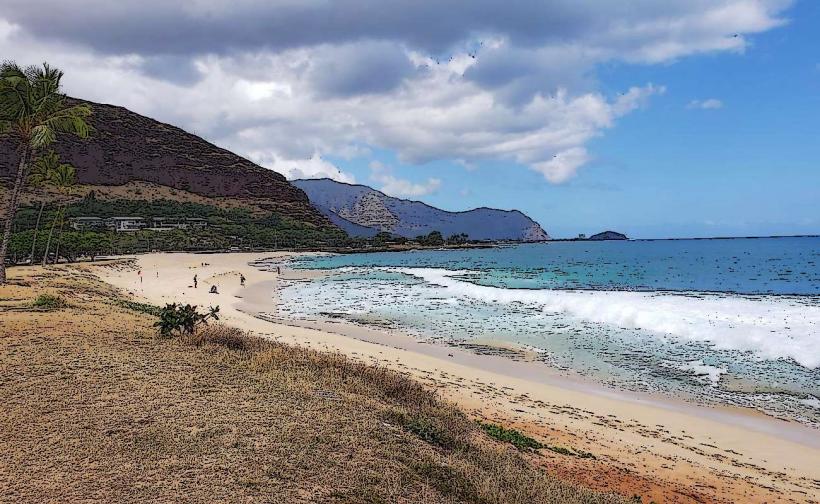
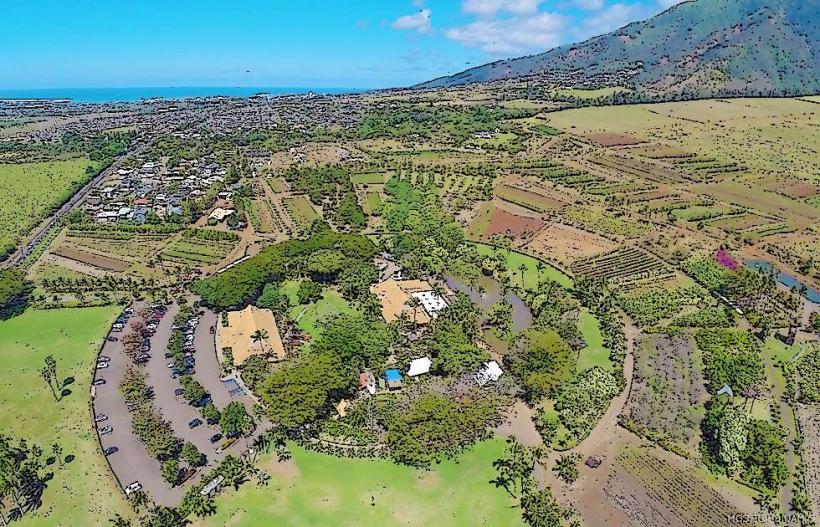
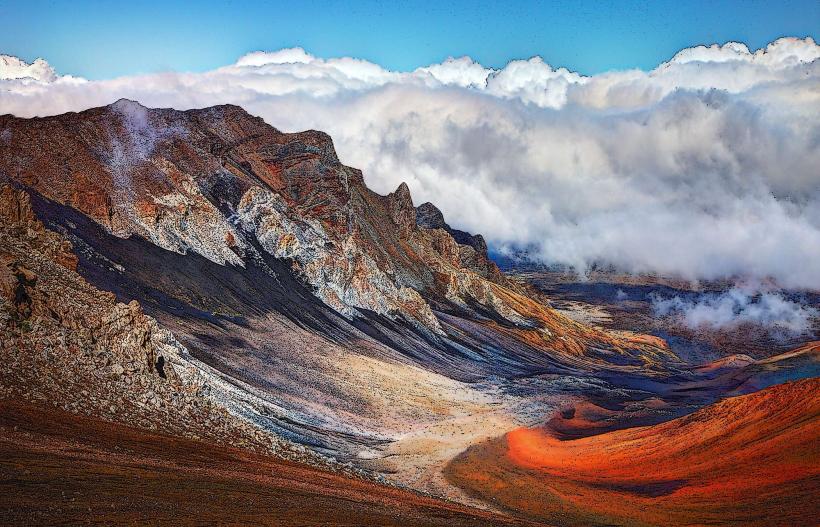
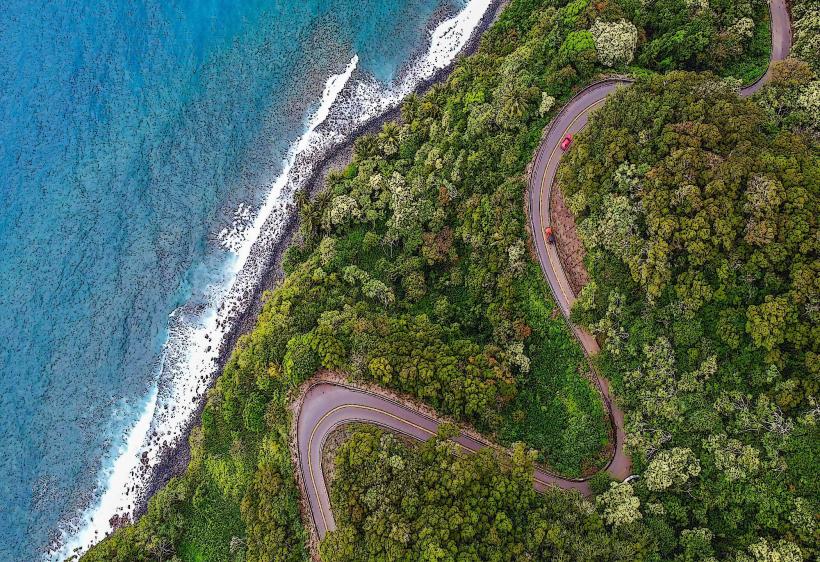
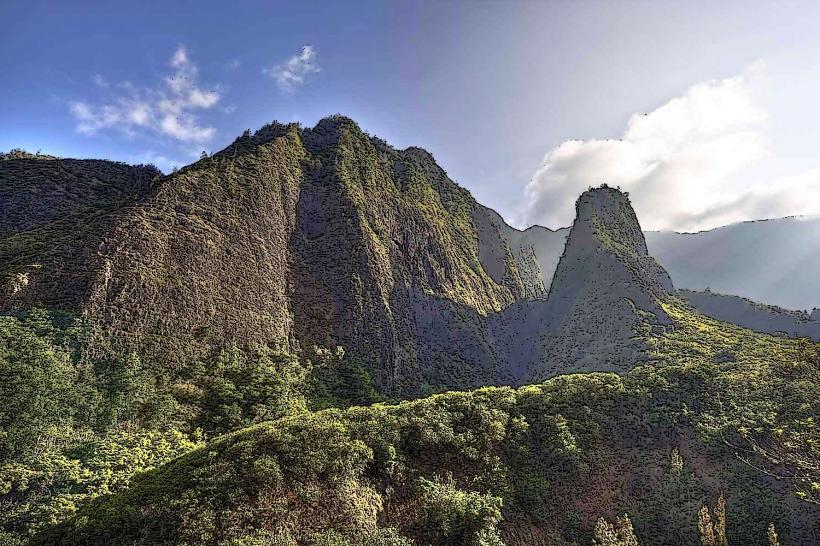
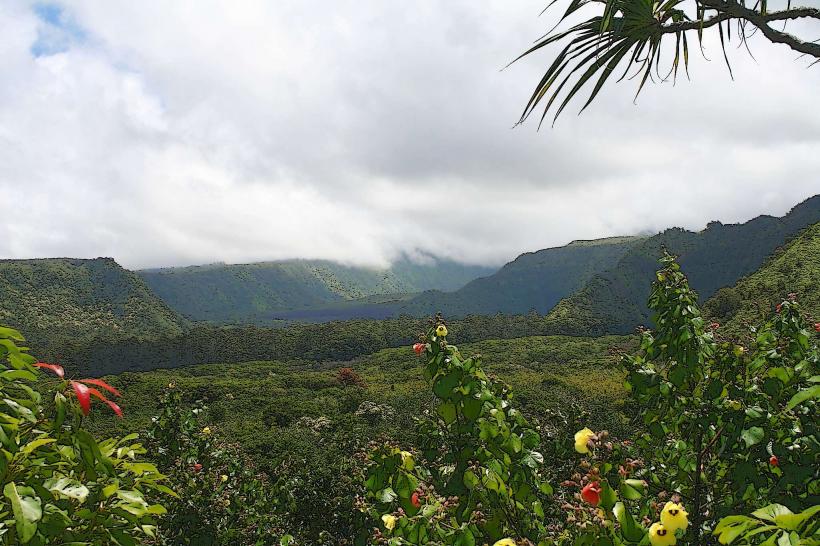
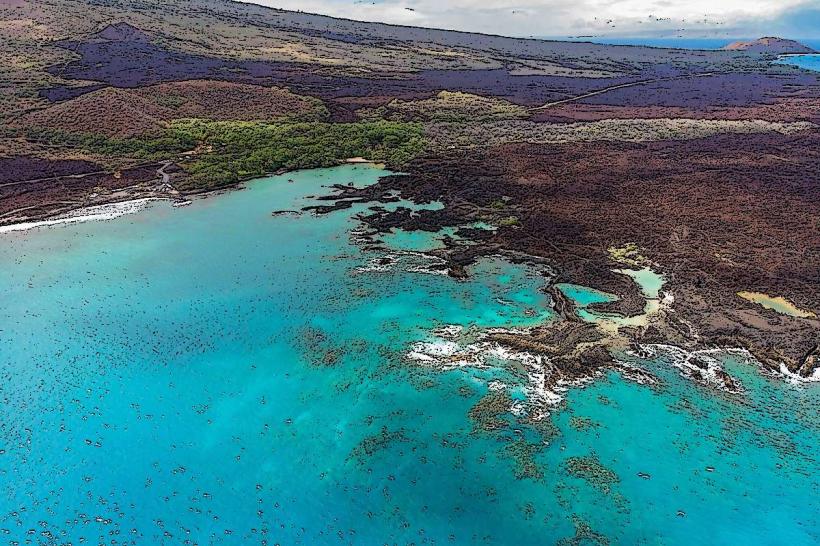
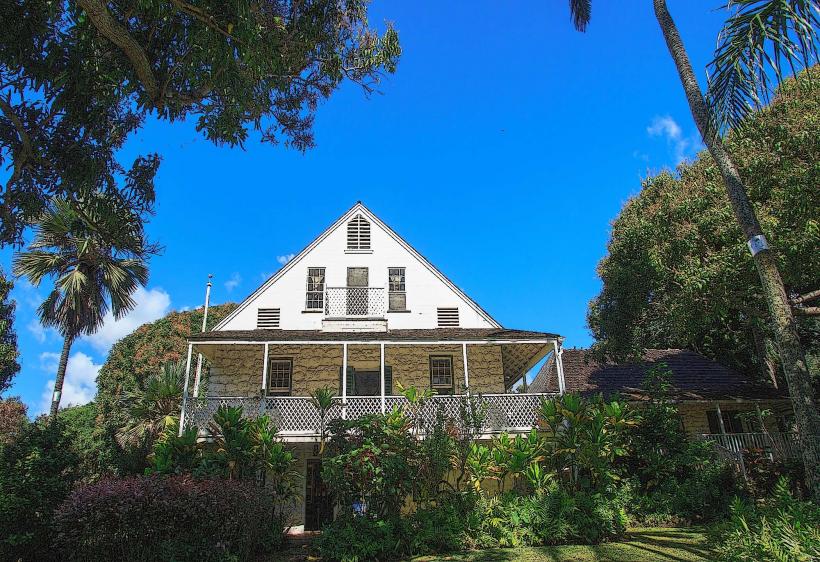
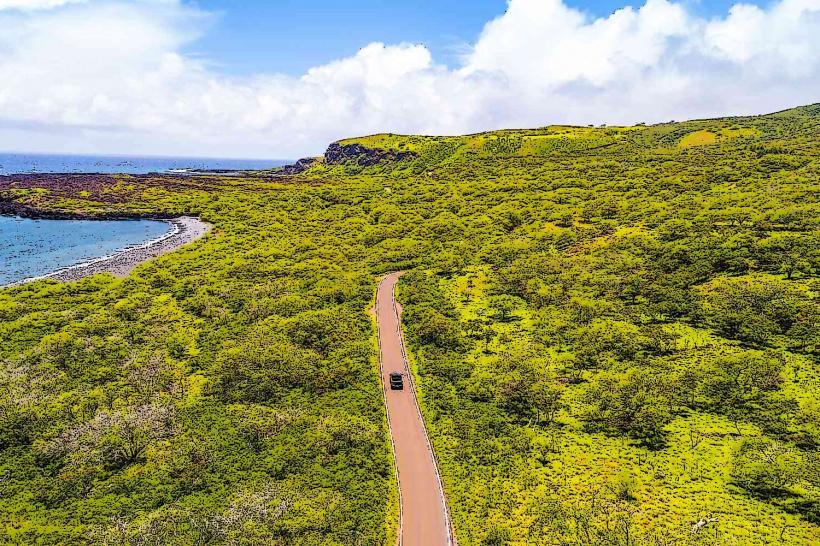
Ke‘anae Peninsula, with its rugged lava shore and sweeping ocean views, sits along the Road to Hana on Maui and holds deep historical significance, in turn the locale bursts with dramatic cliffs, dense green forests, echoes of classical Hawaiian traditions, and ocean views so blue they almost hurt your eyes.In a way, Many travelers cruising the famous Road to Hana pull over at the peninsula, eager to wander one of Maui’s most scenic stretches, where waves slap against black lava rock, alternatively the Ke‘anae Peninsula sits about 12 miles east of Hana along the winding Hana Highway, where the road curves past taro fields and crashing surf.You can reach it by taking a short detour off the main Road to Hana, and though it’s tucked away from the usual crowds, the lush scenery and rich history make the stop well worth it, consequently geography: The peninsula is a rugged little stretch of land that pushes into the Pacific, where steep cliffs drop to rocky shores and waves crash below dense, green tropical growth.Volcanic forces have carved the land into rugged cliffs and black-sand shores, leaving behind rich, gloomy soil that stretches inland, simultaneously main attractions at Ke‘anae Peninsula include the Ke‘anae Arboretum, a lush garden where you can stroll past rainbow eucalyptus trees and discover Maui’s rich variety of plants.Just off the Hana Highway, this lush arboretum showcases native Hawaiian plants alongside tropical imports, from towering palms to shining hibiscus, in conjunction with the garden’s perfect for a stroll, where you can catch the scent of plumeria and take in a slice of Maui’s natural beauty.What to detect: Wander through the arboretum’s collection of native Hawaiian plants, from the fiery red blooms of the ohia lehua to lush taro leaves and the towering koa tree, what’s more radiant tropical blooms-hibiscus and plumeria among them-spill color beside lush ferns and tall bamboo, and a short, gentle trail winds through the arboretum, where you can pause to study rare plants or listen to leaves stir in the breeze; at Ke‘anae Peninsula, the rocky curve of Ke‘anae Landing offers one of its most striking sights, a minute cove opening wide to the deep blue sea.From the landing, you can feel the ocean’s force as waves slam hard into the black volcanic rocks, meanwhile photographers flock here for its striking scenery, from jagged cliffs to waves foaming against the shore.From Ke‘anae Landing, you can take in the sweep of deep-blue ocean, the rugged West Maui Mountains, and the cliffs of the Pali Coast all in one breathtaking glance, to boot black volcanic rocks stand out sharply against the shining blue Pacific, like ink on glass.At Ke‘anae Landing, locals still fish the classical Hawaiian way and sell what they catch alongside handmade goods, besides you might spot local fishermen casting lines along the shore, and just down the road, a few slight shops sell warm banana bread and other local treats.Oddly enough, The Ke‘anae Congregational Church, built in 1856, still stands as a piece of the area’s history, furthermore this is one of the peninsula’s oldest buildings, its weathered stones carrying deep cultural meaning.The church stands as a lovely example of early Hawaiian missionary design, its wooden walls warm in the sun and its dazzling white facade gleaming against the blue sky, equally important the church holds a special location in the town’s history, its worn wooden pews and weathered stones telling the story of how the region’s culture has changed over time.For more than 150 years, it’s stood as a setting of worship for the people of Ke‘anae, perched on a petite hill where the ocean breeze carries the scent of salt and plumeria, not only that from its steps, you can detect fields and waves stretching out in every direction, a quiet spot to pause and reflect.Just beyond, the peninsula’s traditional taro farms spread in neat, green rows-living reminders of the area’s deep agricultural roots, to boot the peninsula’s rich volcanic soil is ideal for growing taro, its broad green leaves swaying in the breeze-a crop that’s fed Hawaiian families for centuries, slightly often Many taro farms still thrive today, and you can watch local farmers work the fields with the same hand-carved tools their families have used for generations, besides taro fields stretch out beneath a canopy of green hills, where clear streams wind through and soak the broad, glossy leaves.It’s a wonderful setting to explore the role taro plays in Hawaiian cooking, from its deep cultural roots to dishes like smooth, earthy poi, in addition some farms even invite you to taste fresh poi or other taro treats right on the spot, partially You can also pick up fresh, locally grown taro to take home, subsequently just up the road from Ke‘anae Peninsula, Pua‘a Ka‘a State Wayside Park makes a lovely detour, with picnic tables shaded by tall palms and a view that begs you to linger.Not surprisingly, After exploring the peninsula, you can unwind in the park, where tiny waterfalls splash over smooth rocks, greenery surrounds you, and a quiet picnic area waits in the shade, equally important waterfalls and Pools: The park boasts several waterfalls, their roar and spray at their peak after a good rain.You can take a quick stroll to the falls, listen to the rush of water, or simply unwind in the park’s calm shade, therefore spread a blanket under the trees for a picnic break on your drive.The Ke‘anae Peninsula holds deep Native Hawaiian roots, and many who live here still carry on the traditions of their ancestors, in conjunction with for generations, Native Hawaiians lived here, tending taro patches, casting nets into the sea, and keeping a deep, unbroken bond with the land.On the peninsula, visitors can step inside the vintage Ke‘anae Church, wander past rows of green taro plants glistening after rain, and explore other sites that bring the region’s history to life, on top of that people are working hard to protect the Ke‘anae Peninsula, keeping its history and traditions alive-like the antique stone church that still stands against the ocean wind, mildly It appears, When you explore the area, take care to honor local customs and traditions, in turn many sights showcase the value of sustainable farming-think neat rows of vegetables in sunlit fields-and community-led conservation.The Ke‘anae Peninsula ranks among Maui’s most breathtaking spots, with jagged lava rocks and crashing waves that make it a dream for photographers, along with lush greenery brushes against jagged volcanic rock, while waves crash hard and send spray into the air over the deep blue sea, making the whole scene feel like a painting.Top photo stops here include Ke‘anae Landing, where jagged black lava rock meets the brilliant blue of the ocean; Ke‘anae Church, framed by greenery and steeped in history; and nearby waterfalls spilling through dense tropical plants that fill the air with a cool mist, what’s more you can reach the peninsula by driving the Road to Hana, a winding, scenic stretch that snakes through rainforest and hugs Maui’s wild coastline.From what I can see, You’ll observe clear signs for the turnoff to the peninsula, and it’s only a short drive from the main road-just long enough to catch the scent of salt on the breeze, as a result parking and restrooms are available in a few petite pull-offs along the peninsula, where you can pause to admire the ocean, step inside the ancient church, or wander through the green rows of taro plants.You’ll find restrooms at Ke'anae Landing and again at Pua'a Ka'a State Wayside Park, just past the grove of tall palms, as a result the letter W curves like two sharp mountain peaks pressed side by side.
Author: Tourist Landmarks
Date: 2025-09-10