Information
Landmark: Keetmanshoop Museum (Old Rhenish Mission Church)City: Keetmanshoop
Country: Namibia
Continent: Africa
Keetmanshoop Museum (Old Rhenish Mission Church), Keetmanshoop, Namibia, Africa
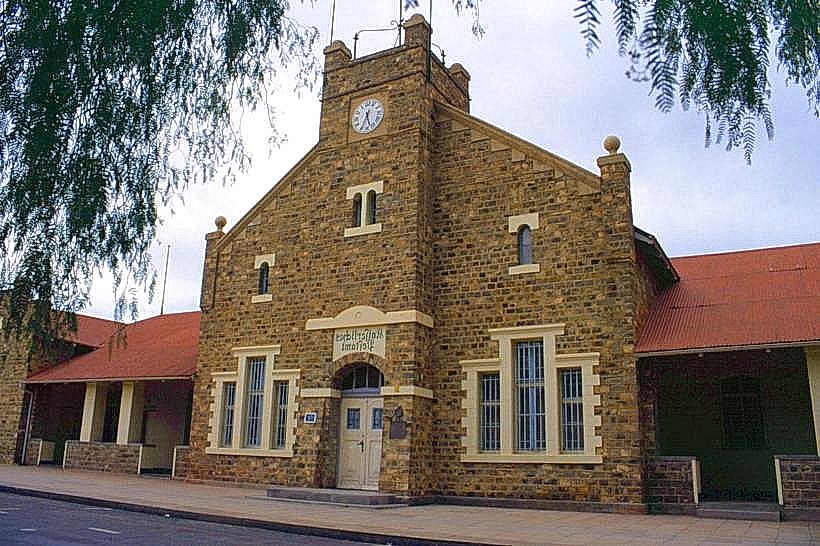
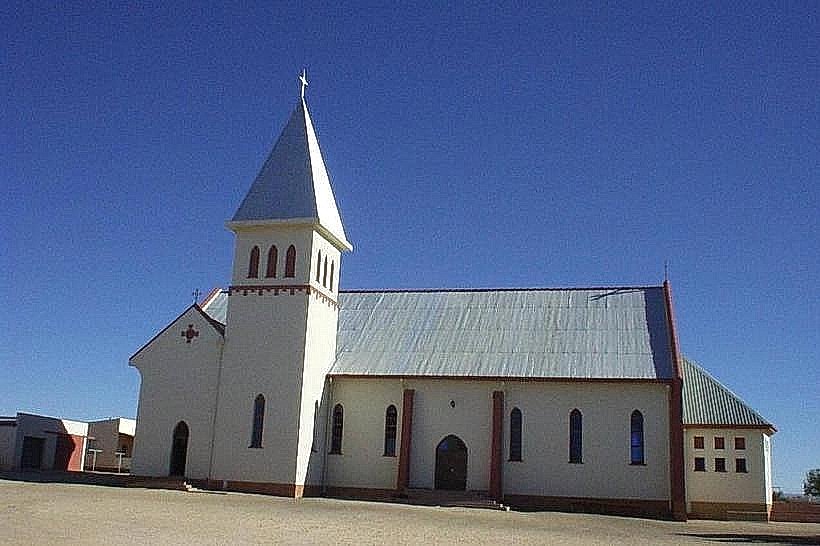
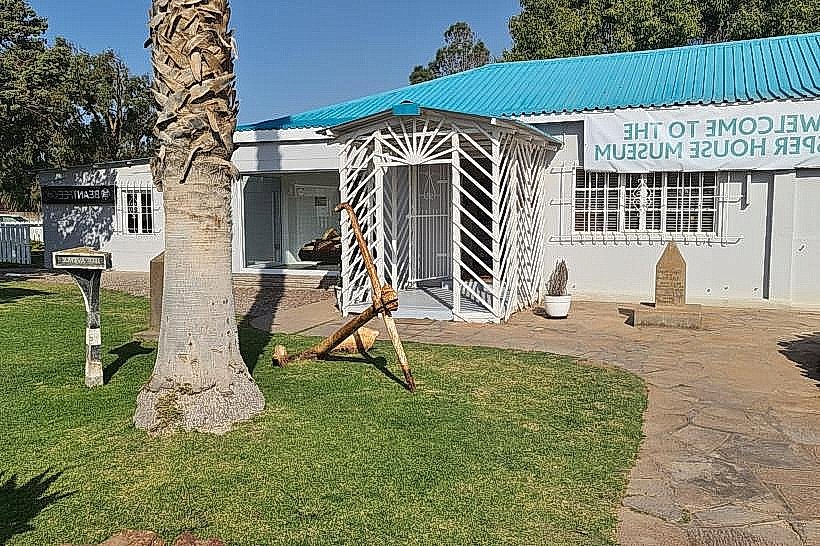
The Keetmanshoop Museum is housed within the Old Rhenish Mission Church, the most significant architectural and historical landmark in the town of Keetmanshoop, Namibia.
Visual Characteristics
The building is a striking example of Gothic Revival architecture adapted for the southern African interior. It is constructed from local dark-grey dolerite stone with white-plastered accents around the windows and doors. The structure features a prominent, steeply pitched roof and a central bell tower with a pointed spire. The interior retains the original wooden church pews, high vaulted ceilings, and large arched windows that allow for natural ventilation.
Location & Access Logistics
Address: 7th Avenue, Keetmanshoop, Namibia.
Access: Located in the town center, easily accessible on foot from major local hotels or by vehicle.
Operating Hours: Generally open Monday to Thursday (07:30–12:30, 13:30–16:30) and Friday (07:30–12:30, 13:30–16:00). It is typically closed on weekends.
Status: The building was declared a National Monument in 1978.
Historical & Ecological Origin
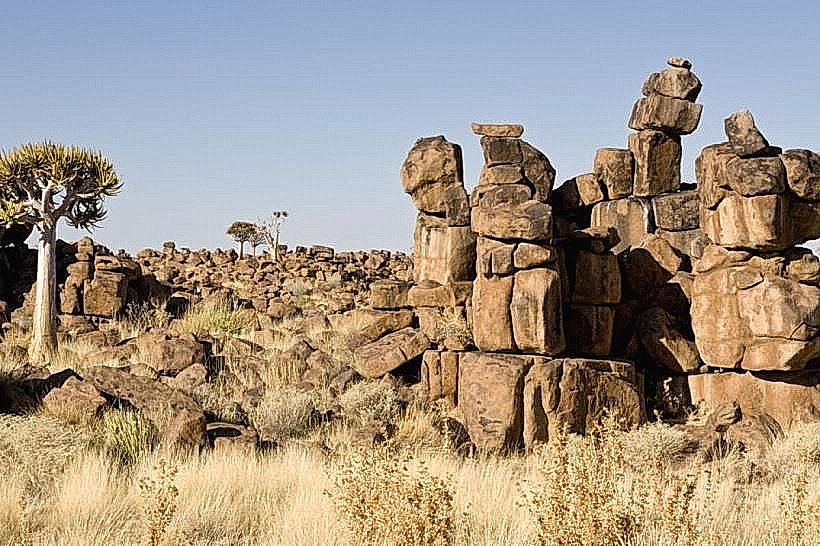
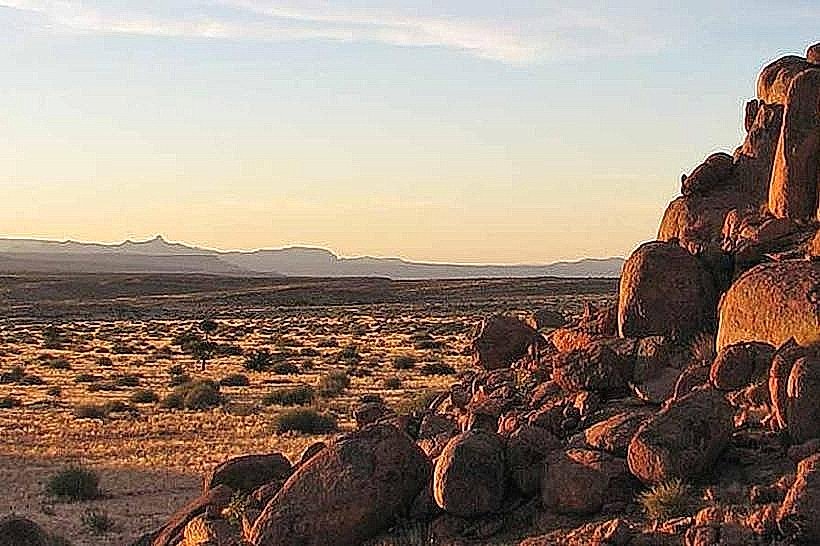
The church was completed in 1895 to replace an earlier structure destroyed by floods. It served as the spiritual center for the Rhenish Mission Society's work with the Nama people. The town of Keetmanshoop itself was named after Johann Keetman, a German industrialist and benefactor of the mission. Geologically, the building's stone was sourced from the nearby "Giant’s Playground" area, highlighting the town's link to the surrounding dolerite landscape.
Key Highlights & Activities
Ethnographic Collection: Displays original Nama clothing, traditional tools, and artifacts detailing the lifestyle of the region's indigenous populations.
Colonial History: Exhibits focusing on the German colonial era, including military uniforms, early telecommunications equipment, and household items from early settlers.
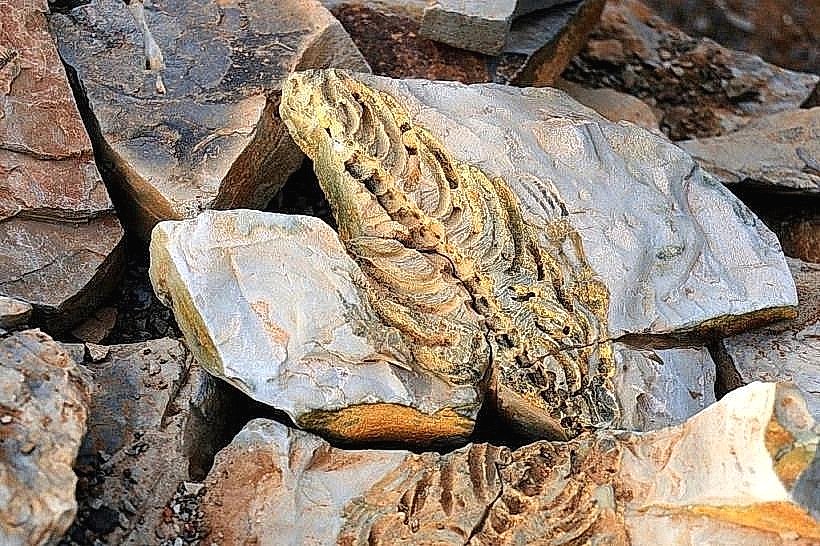
Natural History: Small displays of local geological samples and information on the flora and fauna of the Nama Karoo.
Photography: The church's exterior is one of the most photographed heritage sites in southern Namibia, especially during the "blue hour" when the stone textures are emphasized.
Infrastructure & Amenities
Facilities: The museum includes a small reception desk with informational pamphlets. Restrooms are available for visitors.
Services: Guided tours are occasionally available upon request, though most visitors explore the exhibits at their own pace.
Connectivity: 4G mobile signal is strong and stable throughout the town center and museum grounds.
Best Time to Visit
The winter months (May to August) are optimal for comfortable travel. Because the museum is closed on weekends, plan your visit for a weekday morning. The indoor temperature remains relatively cool due to the thick stone walls, providing a reprieve from the intense southern sun.
Facts & Legends
A specific architectural detail: the church was built by missionary Tobias Fenchel, who utilized a unique combination of European masonry techniques and local materials. A local historical fact is that the mission played a critical role as a site of refuge during the early 20th-century conflicts between colonial forces and local groups.
Nearby Landmarks
Keetmanshoop Railway Station: 0.8 km North-East
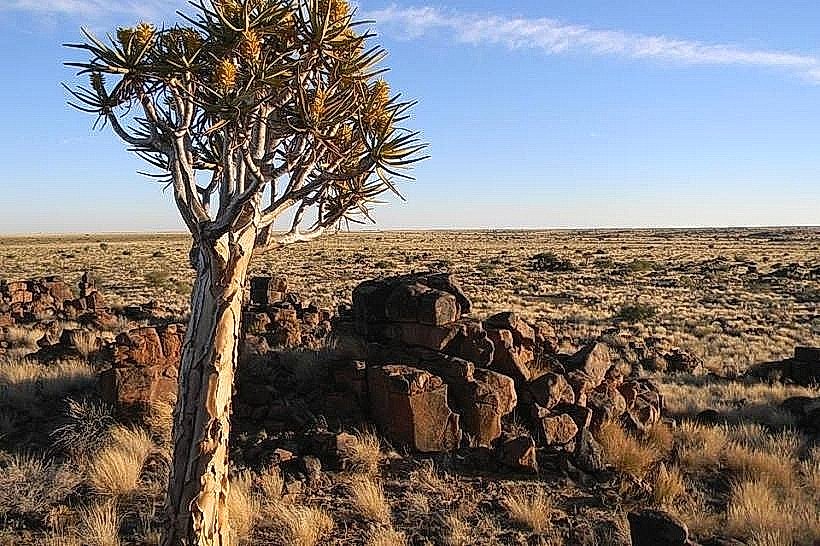
Quiver Tree Forest (Eetmanshoop): 14 km North-East
Giant's Playground: 16 km North-East
Naute Dam: 45 km South-West