Information
Landmark: Kourion Archaeological SiteCity: Limassol
Country: Cyprus
Continent: Europe
Kourion Archaeological Site, Limassol, Cyprus, Europe
Overview
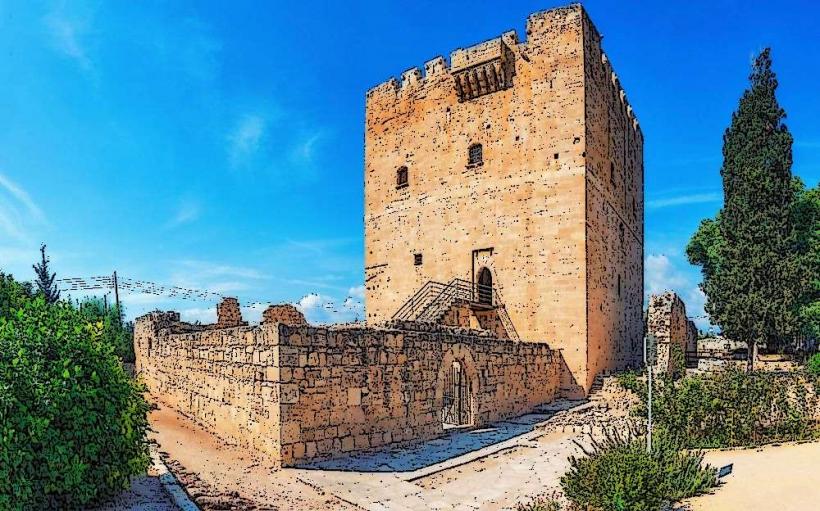
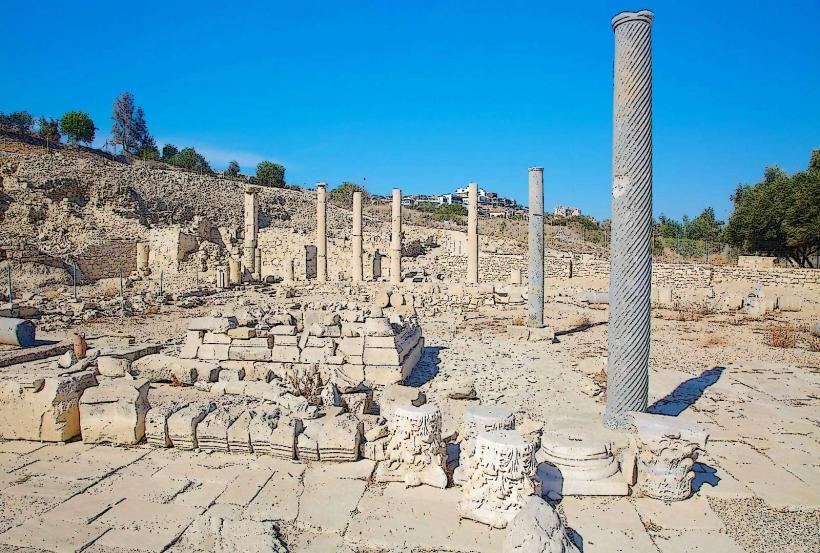
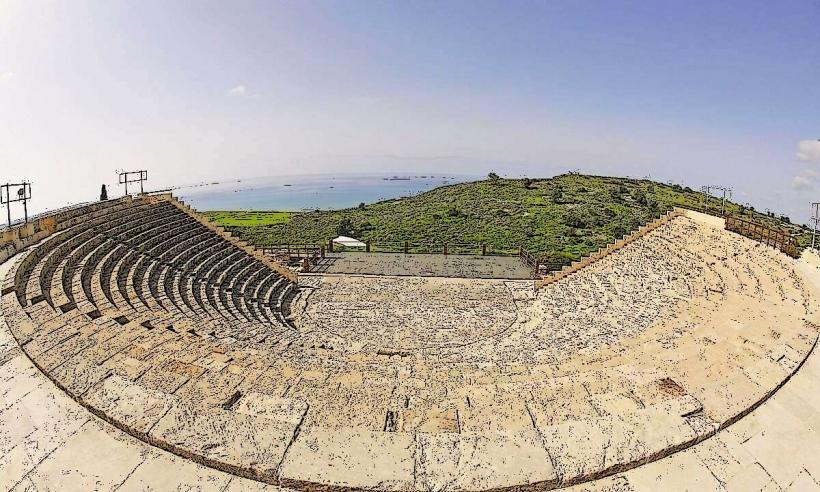
The Kourion Archaeological Site ranks among Cyprus’s most essential ancient ruins, where weathered stone columns and mosaics offer a vivid window into the island’s past, as well as perched high on a hill with the Mediterranean glittering below, the site is famed for its intact stone buildings, intricate mosaic floors, and ancient structures spanning many eras of Cypriot history.Here’s a closer view at the site: Kourion-called Curium in antiquity-stood as a powerful city-kingdom in ancient Cyprus, its stone streets once echoing with the sound of merchants’ carts, while people have lived on the site since the Neolithic era, but it truly thrived in the Classical and Hellenistic periods, roughly from the 4th century BCE to the 4th century CE, when marble columns rose against the sparkling Mediterranean sky.Thanks to its prime spot on the southern coast, the city grew rich and powerful, thriving on bustling trade and the salty breeze drifting in from the Mediterranean, equally important people first settled the site in the Late Bronze Age (1600–1050 BCE), leaving behind traces of Mycenaean influence, like pottery shards patterned in deep red and black.By the Archaic period, around the 7th or 6th century BCE, it had risen into a thriving city-kingdom, its stone walls catching the first light of dawn, in addition in ancient Cyprus, it ranked among the biggest and wealthiest cities, its markets bustling with traders calling out over baskets of figs and olives.During the Roman era, from the 1st century BCE to the 4th century CE, Kourion flourished at its height, leaving behind crumbling columns and mosaics you can still behold today, then during the Byzantine era, it thrived as a vital hub of faith and culture, its bells echoing through the streets, before slowly fading into decline.Here’s what you’ll find on Site1, from standout tools to slight touches that make it click, equally important the Theatre of Kourion, one of the best-preserved Greco-Roman sites in Cyprus, has stood since the 2nd century CE, its stone seats still warm under the midday sun.It held about 3,500 people, with room for the crowd’s chatter to echo off the stone walls, and hosted everything from plays to town gatherings, moreover part of the theatre has been restored, so today you can sit in its stone stands and inspect out over the glittering Mediterranean; it still hosts performances, concerts, and festivals, keeping its connection to the past alive.The House of Eustolios, one of Kourion’s most significant residences, dates back to the 5th century CE, what’s more a wealthy owner once lived here, in a house famed for its mosaics-tiny tiles forming vivid scenes of deer leaping, gods in flowing robes, and moments from everyday life, all offering a glimpse into the era’s art and home life.The complex also holds baths, airy courtyards, and spacious rooms that speak of the luxury its residents enjoyed, in turn nearby stands the Sanctuary of Apollo Hylates, dedicated to the city’s patron god.Just beyond the city limits stood the sanctuary, a vibrant hub of worship in both the ancient and Classical periods, as well as archaeologists have unearthed weathered temples, stone altars, and inscriptions carved in honor of Apollo.The sanctuary holds a sacred spring once central to ancient religious rites, its clear water still glinting in the sun, in turn nearby, the weathered remains of the Apollo Hylates Temple offer vital clues to the city’s spiritual and cultural life, loosely Actually, And the mosaic floors-brilliant patterns in stone-rank among the finest and best-preserved in all of Cyprus, as a result these detailed mosaics show moments from Greek myths, glimpses of everyday chores, and even prowling animals, their colors still vivid.You’ll find most in the House of Eustolios and the Basilica of Kourion, with a few scattered in other spots, therefore they showcase the craftsmanship of ancient Cypriot artisans and the prosperity Kourion enjoyed under Roman rule, while the worn stone walls of a 5th-century basilica offer a glimpse into Cyprus’s early Christian era.The basilica stands out for its wide central nave and side chambers, its floor glittering with intricate mosaics that mark the region’s shift from paganism to Christianity, moreover it likely served as a hub for worship and remains a prime example of early Christian architecture in the Eastern Mediterranean.The stadium, though harder to spot today, once echoed with cheers during athletic contests and public gatherings, to boot perched on a hill, Kourion’s ruins and their placement reveal how deeply the site once shaped public life, with sweeping views of golden fields rolling toward the blue shimmer of the Mediterranean.Rolling hills and shining wildflowers frame the ruins, giving the site importance not just for its history but for the quiet beauty all around, simultaneously the archaeological site sits within a wide, open park where visitors can wander at their own pace, moderately Excavations at Kourion began in the 19th century and still turn up current discoveries today, subsequently the site was never completely deserted, so much of it still stands in remarkable shape, with paint clinging to the ancient wooden doors.Archaeologists keep peeling back the earth around the heritage city, each layer exposing traces of its rich, tangled past-like a faded coin pressed into the soil centuries ago, what’s more in short, Kourion is a area you can’t miss if you’re drawn to ancient history, archaeology, or the rich cultural heritage of Cyprus-stand among its sun-warmed ruins and you’ll feel the past beneath your feet.Among its sprawling ruins-the stone theatre, intricate mosaic floors, and weathered temples-you can glimpse the life of a thriving ancient city once perched at a bustling Mediterranean crossroads, not only that visitors wander among courtyards and stone arches, discovering architectural styles from every era and stepping straight into the island’s layered past., maybe
Author: Tourist Landmarks
Date: 2025-09-03