Information
Landmark: Kyrenia CastleCity: Kyrenia
Country: Cyprus
Continent: Europe
Kyrenia Castle, Kyrenia, Cyprus, Europe
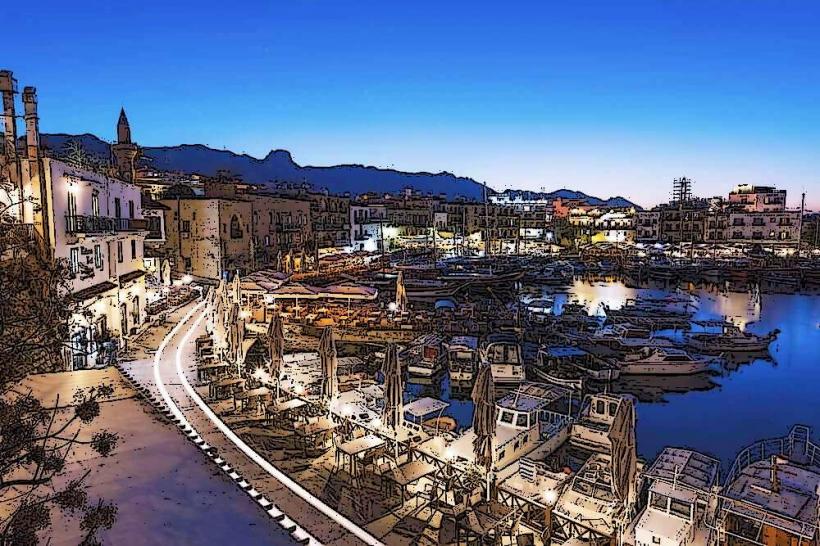
Kyrenia Castle is a 16th-century Venetian fortification situated at the eastern end of Kyrenia Harbor in Kyrenia, Cyprus. It serves as a prominent historical landmark and houses the ancient Kyrenia Shipwreck.
Visual Characteristics
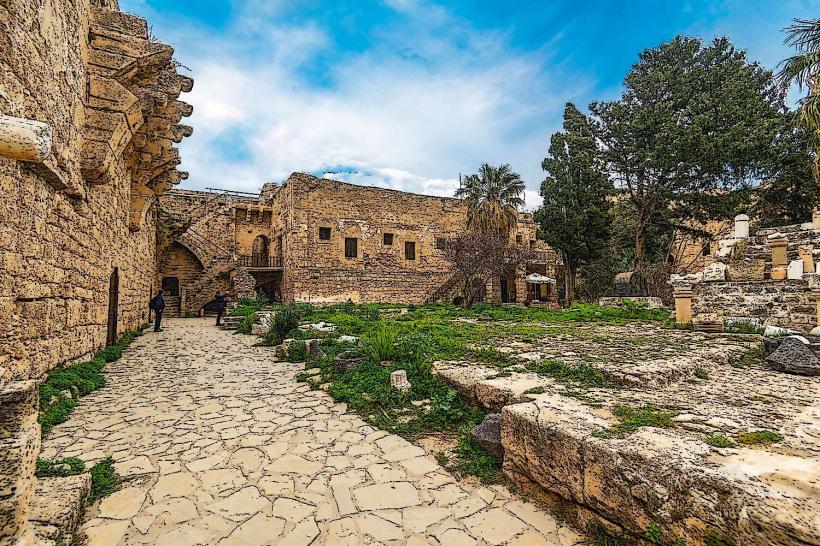
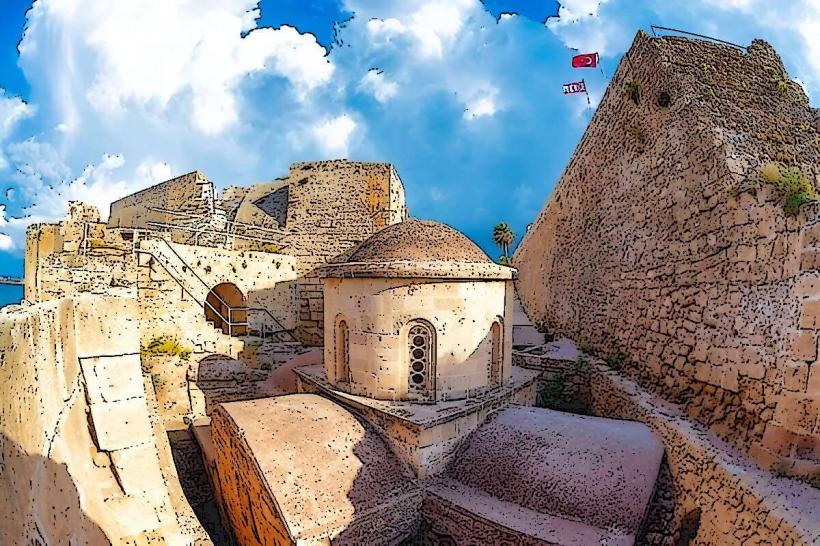
The castle is constructed primarily from limestone and features robust defensive walls, multiple towers, and a rectangular inner courtyard. Its walls rise directly from the harbor's edge, presenting a formidable grey-brown facade. The structure incorporates elements from various periods, including Byzantine foundations and Lusignan additions, culminating in the dominant Venetian design characterized by thick, sloping walls designed to deflect cannon fire. The highest points of the castle reach approximately 20 meters above sea level.
Location & Access Logistics
Located directly on the eastern side of Kyrenia Harbor. Access is via the harbor road, which connects to the main Kyrenia-Nicosia road (E901). Limited street parking is available along the harbor, with a larger paid car park approximately 0.3km south on E901. Local bus services operate to Kyrenia town center, with the castle being a short walk (less than 0.5km) from the main bus stop near the roundabout on E901.
Historical & Ecological Origin
The current structure dates primarily from the 16th century, built by the Venetians between 1489 and 1540 on the foundations of an earlier Byzantine fortress. Its primary purpose was to defend the harbor and the city of Kyrenia from Ottoman invasion. The site has been fortified since Roman times, with the first significant castle constructed by the Byzantines in the 7th century to protect against Arab raids.
Key Highlights & Activities
Visitors can explore the castle's ramparts, offering views of the harbor and town. The Byzantine Shipwreck Museum, located within the castle, displays the remains of a 4th-century BC Greek merchant ship. Access is available to various dungeons, living quarters, and the castle chapel. Self-guided tours are available, with informational plaques throughout the site detailing its history and features.
Infrastructure & Amenities
Restrooms are available near the main entrance. Limited shade is provided by the castle walls and interior structures, particularly within the museum and covered passages. Cell phone signal (4G/5G) is generally strong throughout the site. Several cafes and restaurants are located directly outside the castle entrance along the harbor, offering food and beverages.
Best Time to Visit
Morning hours (9:00-11:00) offer optimal lighting for photography of the harbor and castle exterior, and generally fewer crowds. The months of April-May and September-October provide the most temperate weather, avoiding the peak summer heat (July-August) when temperatures can exceed 35°C. No specific tide requirements apply for visiting the castle itself.
Facts & Legends
A local legend suggests that the castle's dungeons once held Queen Charlotte of Cyprus captive in the 15th century, though historical records dispute this, indicating she fled to Rome. A verified historical oddity is the discovery of a 4th-century BC Greek merchant ship, now housed in the castle's museum, making it one of the oldest shipwrecks ever recovered and preserved with its cargo.
Nearby Landmarks
- Kyrenia Harbor (0.1km West)
- Icon Museum (0.5km South)
- Folk Art Museum (0.3km Southwest)
- Archangelos Michael Church (0.6km South)
- Old Town Market (0.4km South)