Information
Landmark: Lafayette City-Parish Government BuildingCity: Lafayette LA
Country: USA Louisiana
Continent: North America
Lafayette City-Parish Government Building, Lafayette LA, USA Louisiana, North America
Lafayette City-Parish Government Building – Detailed Overview
Introduction
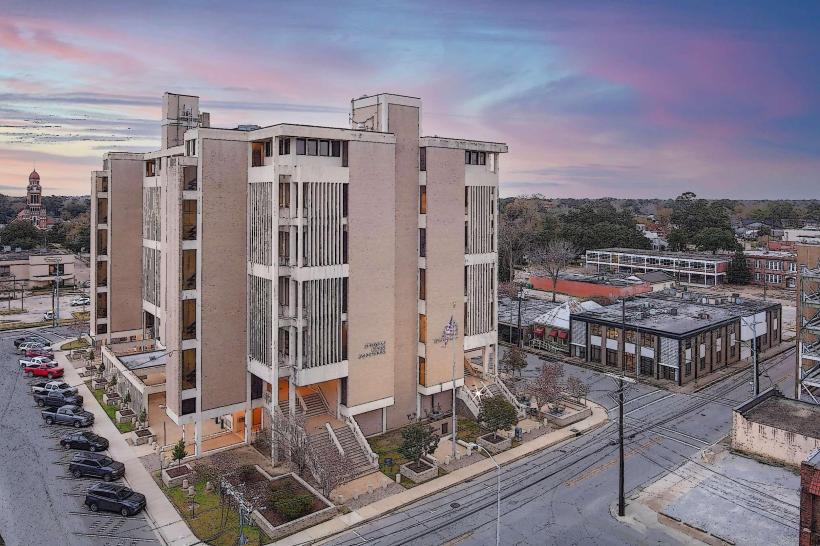
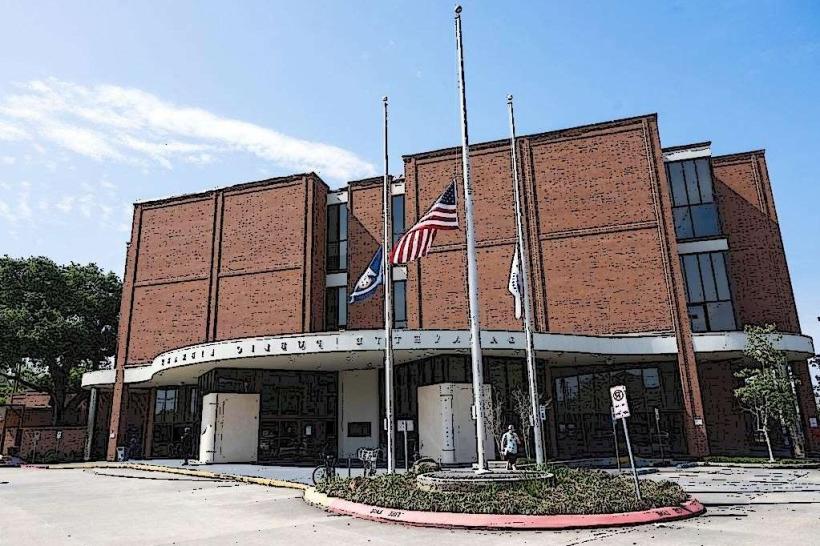
The Lafayette City-Parish Government Building is the central administrative hub for Lafayette Consolidated Government (LCG), the joint government formed in 1996 when the City of Lafayette and Lafayette Parish merged their governing bodies. This building serves as the seat of government for both city and parish operations, housing key offices, council chambers, and administrative departments that manage day-to-day functions for residents of Lafayette and surrounding areas.
Historical Background
Government Consolidation: In 1996, Lafayette voters approved a merger of city and parish governments to streamline services, reduce duplication, and improve efficiency. This created Lafayette Consolidated Government, one of only a few such consolidated systems in Louisiana.
The Building: Constructed in the late 20th century, the structure became the physical home of the new unified government. Over time, it has been upgraded to accommodate both administrative and public service needs.
Architecture and Layout
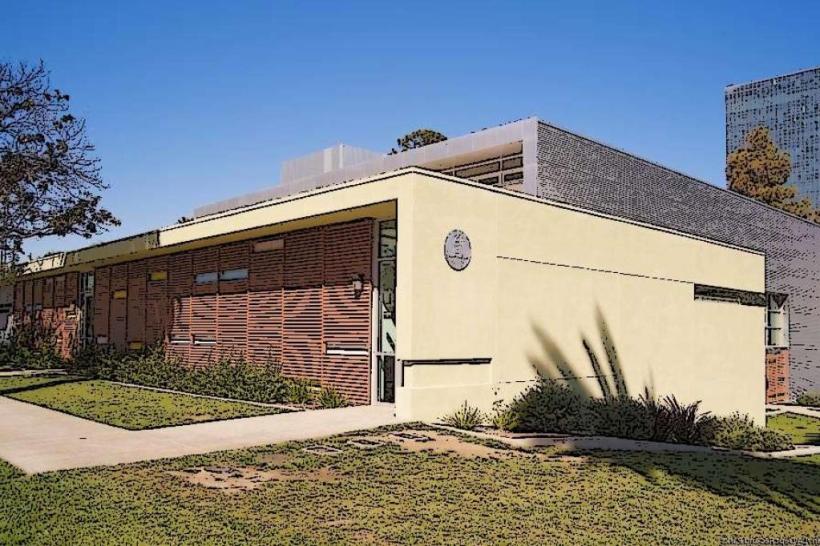
Design: The building is a modern office structure, built in a functional civic style rather than ornamental architecture.
Floors and Facilities:
Council Chambers – A large meeting hall where the Lafayette City-Parish Council conducts official sessions.
Administrative Offices – Includes the Office of the Mayor-President, City-Parish Clerk, legal departments, and offices for planning, zoning, and public works.
Public Service Areas – Spaces where citizens can pay taxes, apply for permits, and access government resources.
Meeting Rooms – Used for public hearings, committee meetings, and civic engagement activities.
Role and Functions
The building houses the main operations of Lafayette Consolidated Government, which oversees:
City-Parish Council – The legislative branch responsible for ordinances, budgets, and policy decisions.
Office of the Mayor-President – The chief executive of both city and parish, elected by Lafayette residents.
Departments and Services:
Public Works (roads, drainage, maintenance)
Planning, Zoning, and Development
Finance and Taxation
Legal and Clerk of Council
Community Development and Housing Programs
Public Safety coordination with Police and Fire Departments
The building also serves as the venue for public hearings, civic forums, and community meetings, reinforcing its role as the heart of local governance.
Community Significance
Civic Centerpiece: The building symbolizes the merger of two governments into one, reflecting Lafayette’s identity as both a city and parish seat.
Accessibility: It provides a single point of access for residents to handle government matters, from taxes and utilities to civic engagement.
Decision-Making Hub: Local policies that affect Lafayette’s infrastructure, economy, and culture are debated and enacted here.
Visitor Information
Location: Downtown Lafayette, within walking distance of the courthouse, library, and other civic institutions.
Access: Open to the public during weekday business hours; council sessions are open for public attendance.
Security: Visitors typically go through security screening before entering council chambers or administrative offices.
Parking: On-site and street parking available for citizens conducting government business.
Significance
The Lafayette City-Parish Government Building is not a tourist attraction in the traditional sense but rather a functional cornerstone of civic life. It represents the consolidation of services for efficiency and accessibility, serving as both the workplace for government officials and the meeting place where citizens can directly engage in the democratic process.
The Lafayette City-Parish Government Building stands as the administrative heart of Lafayette, embodying the city and parish’s unique consolidated governance model while ensuring essential services and civic engagement for the community.