Information
Landmark: Lake ChamplainCity: Burlington VT
Country: USA Vermont
Continent: North America
Lake Champlain, Burlington VT, USA Vermont, North America
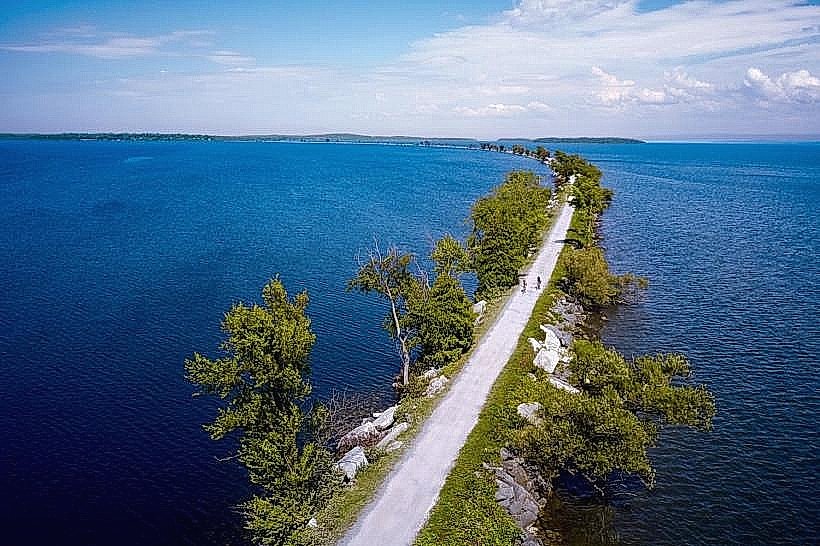
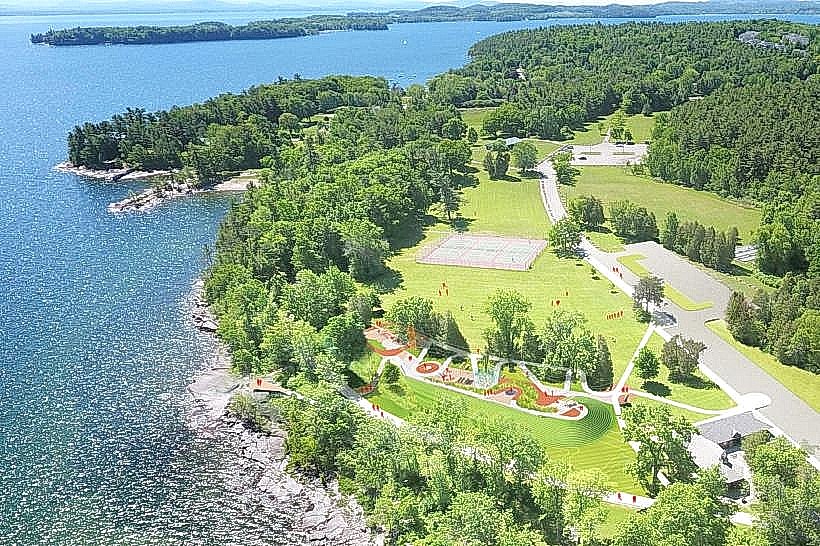
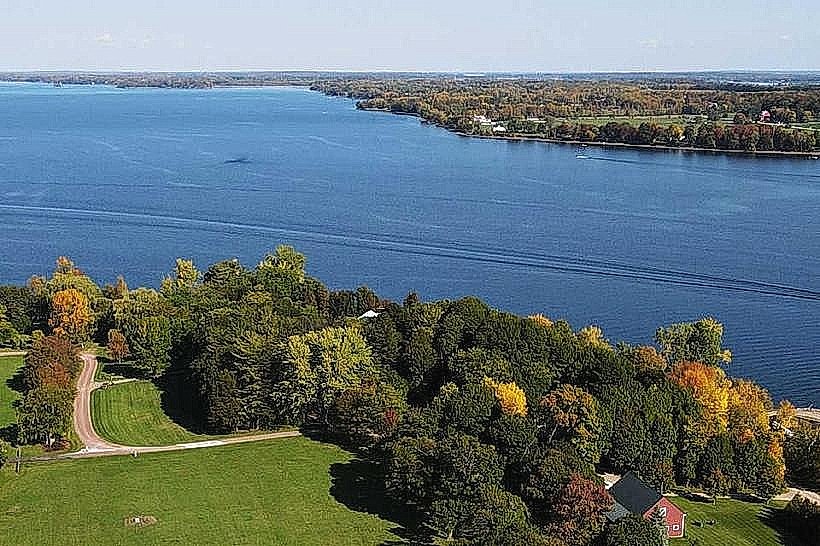
Lake Champlain, straddling the border between Vermont and New York and extending into Québec, Canada, is a vast freshwater lake stretching roughly 120 miles in length. Known for its natural beauty, rich history, and recreational opportunities, it serves as both a cultural and ecological cornerstone of the region. Its deep blue waters, forested shorelines, and panoramic views of the Adirondack and Green Mountains make it a defining feature of northern New England.
Geography & Size
The lake averages about 12 miles wide, with a maximum width of 14 miles in some areas, and reaches depths exceeding 400 feet in the deepest channels. Its watershed encompasses numerous tributaries, wetlands, and islands, including the scenic Isle La Motte and South Hero, which provide habitats for wildlife and destinations for exploration. Lake Champlain connects northward to the Richelieu River in Canada and southward to the Hudson River Valley via the Champlain Canal, historically linking inland regions to major trade routes.
Historical Significance
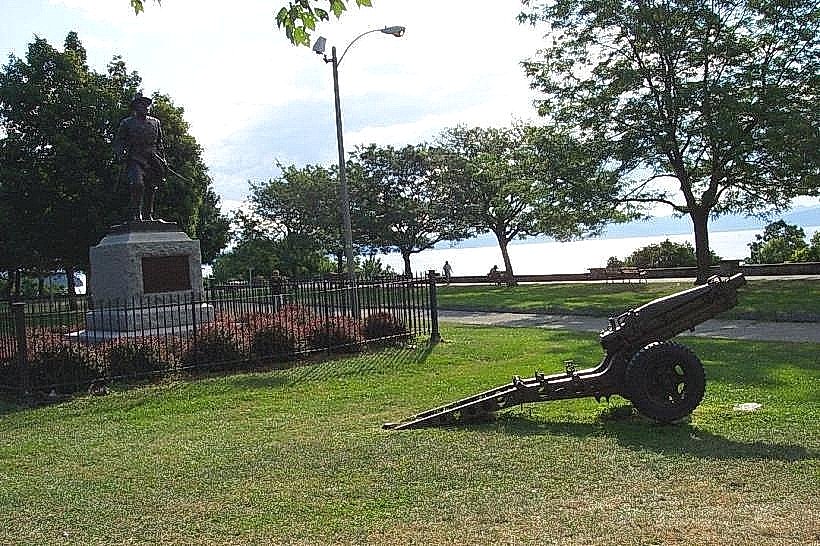
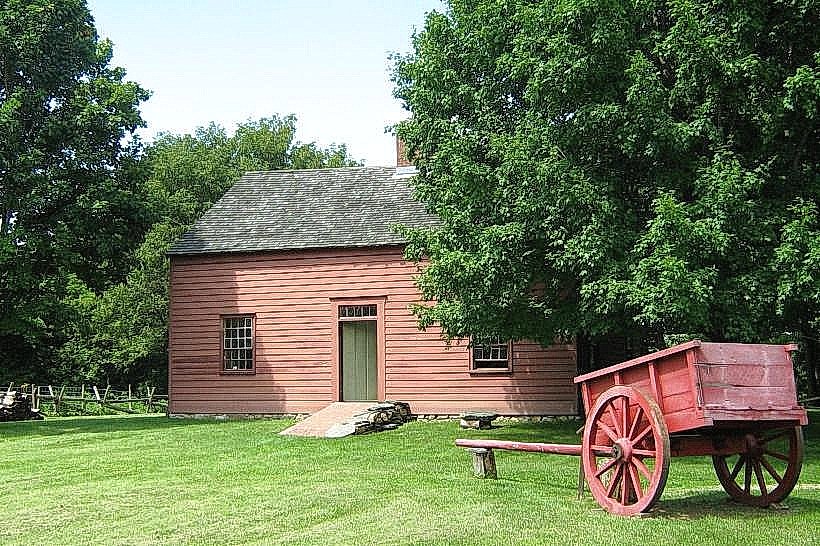
Lake Champlain has played a central role in the region’s history. It was first navigated by French explorers in the early 17th century, including Samuel de Champlain, after whom the lake is named. During the American Revolutionary War, its strategic location made it a site for pivotal battles, such as the Battle of Valcour Island in 1776. Later, in the War of 1812, the lake again became a key theater for naval engagements between American and British forces. Numerous historic sites and markers along the shoreline commemorate these events.
Ecology & Wildlife
Lake Champlain hosts a diverse ecosystem, including trout, bass, northern pike, and landlocked salmon, making it a popular destination for anglers. Its wetlands support herons, egrets, and osprey, while the surrounding forests shelter deer, foxes, and numerous bird species. Seasonal migrations bring waterfowl, and the lake’s islands offer nesting grounds for several species of rare birds. Efforts to manage invasive species and maintain water quality have become integral to preserving this ecological treasure.
Recreation & Tourism
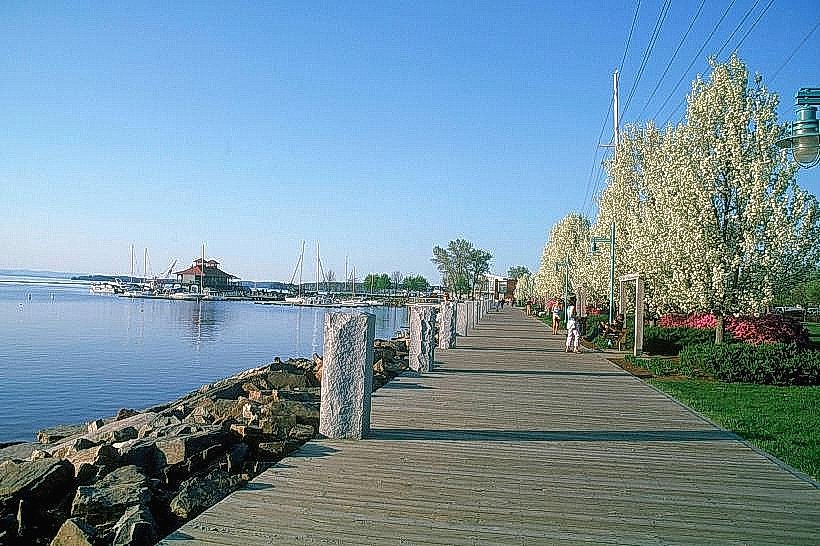
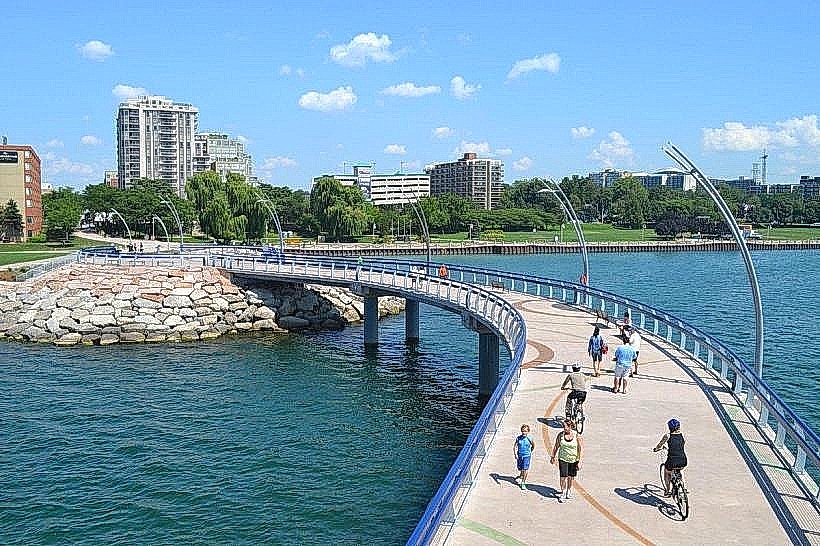
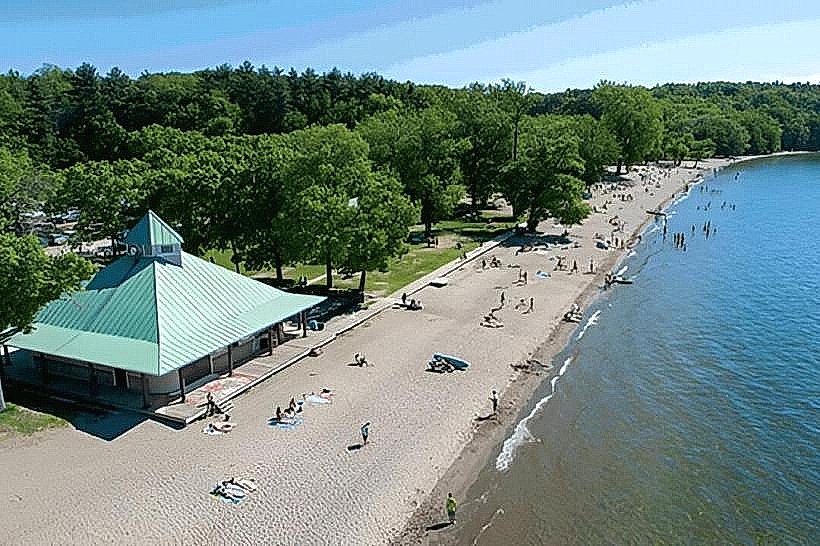
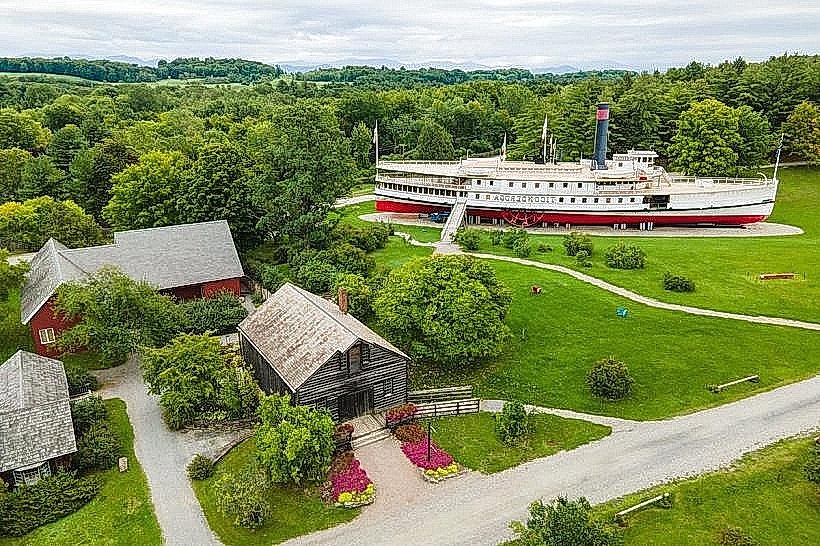
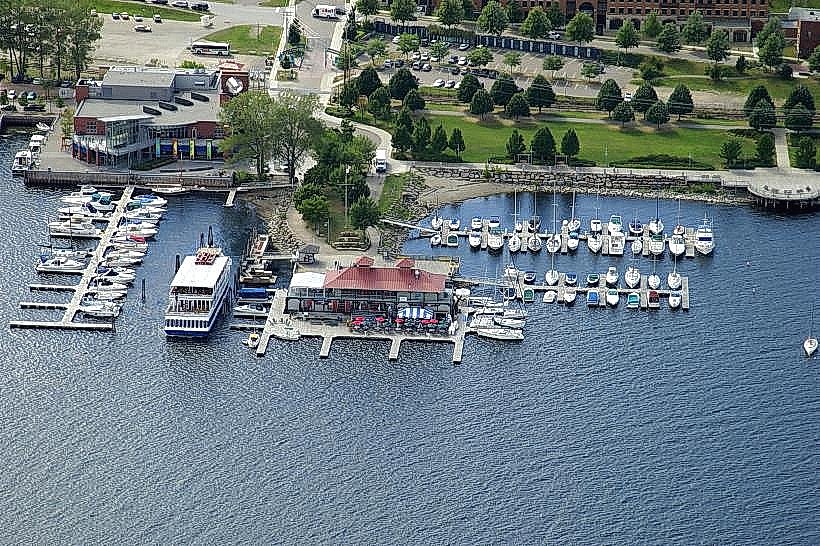
The lake is a hub for recreation, attracting boaters, kayakers, sailors, and swimmers. Popular activities include sailing on the Burlington waterfront, fishing expeditions, hiking along lakeside trails, and wildlife watching. Beaches, parks, and boat launches are scattered along both Vermont and New York shores. In addition, the Lake Champlain Maritime Museum and historic lighthouses provide educational experiences highlighting the lake’s cultural and maritime heritage.
Cultural & Economic Importance
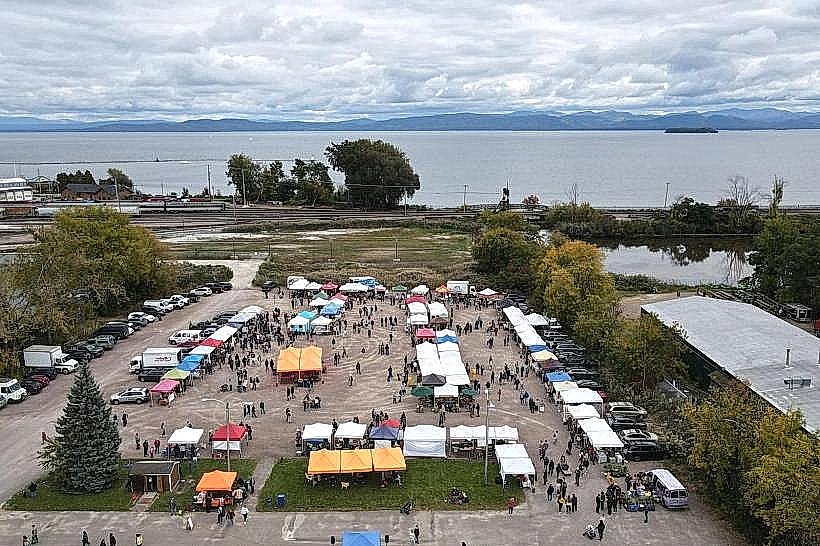
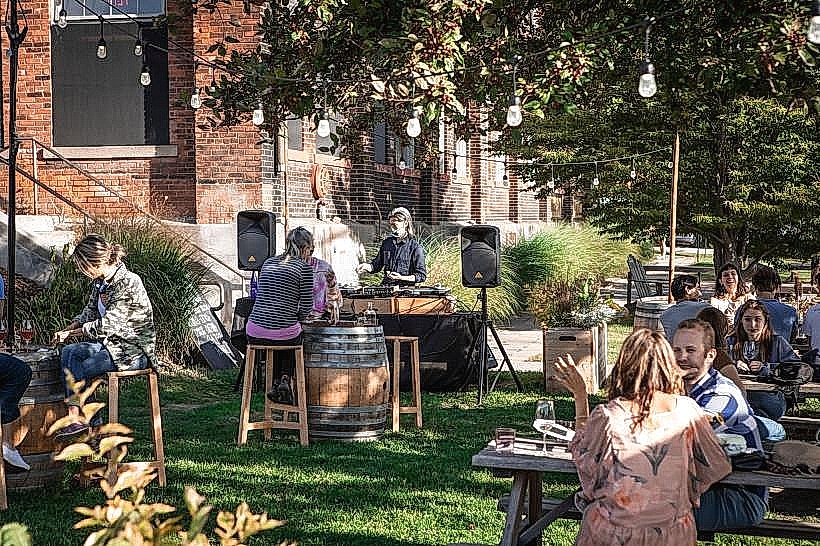
Beyond recreation, Lake Champlain has long supported the region’s economy, from commercial fishing and shipping in earlier centuries to tourism, hospitality, and artisanal agriculture today. Local festivals, farmers markets, and waterfront events frequently celebrate the lake as a community centerpiece, blending natural beauty with civic life.
Seasonal Character & Atmosphere
The lake’s character shifts with the seasons. Summer brings vibrant boating, swimming, and festivals; autumn paints the surrounding mountains in fiery reds and golds; winter can freeze shallow bays, creating serene, snow-blanketed vistas; spring melts bring migratory birds and the resurgence of freshwater life. Morning mists and evening sunsets over the water create magical moments that have long inspired artists, writers, and photographers.
Essence of Lake Champlain
Lake Champlain represents a harmonious convergence of history, nature, and human activity. Its waters carry centuries of stories, from indigenous presence and European exploration to modern recreation and conservation. For locals and visitors alike, the lake offers both adventure and contemplation, making it a living emblem of Vermont’s scenic and cultural identity.