Information
Landmark: ECHO Leahy Center for Lake ChamplainCity: Burlington VT
Country: USA Vermont
Continent: North America
ECHO Leahy Center for Lake Champlain, Burlington VT, USA Vermont, North America
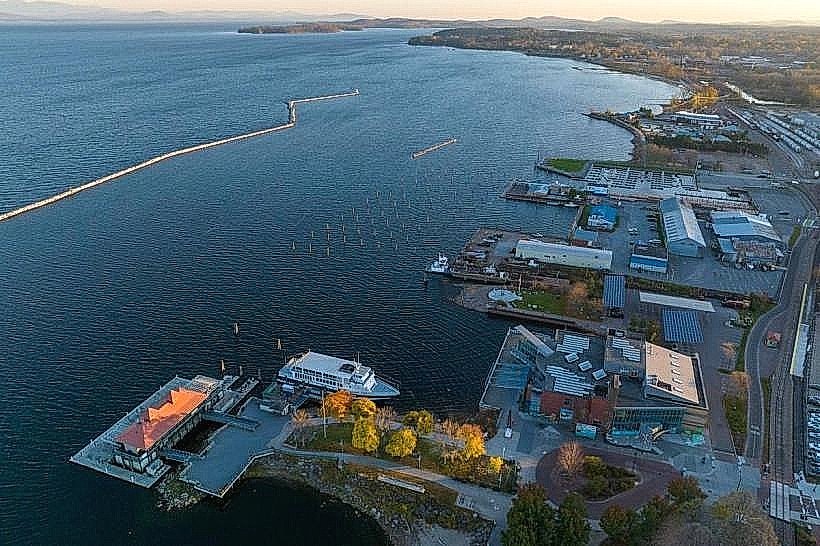
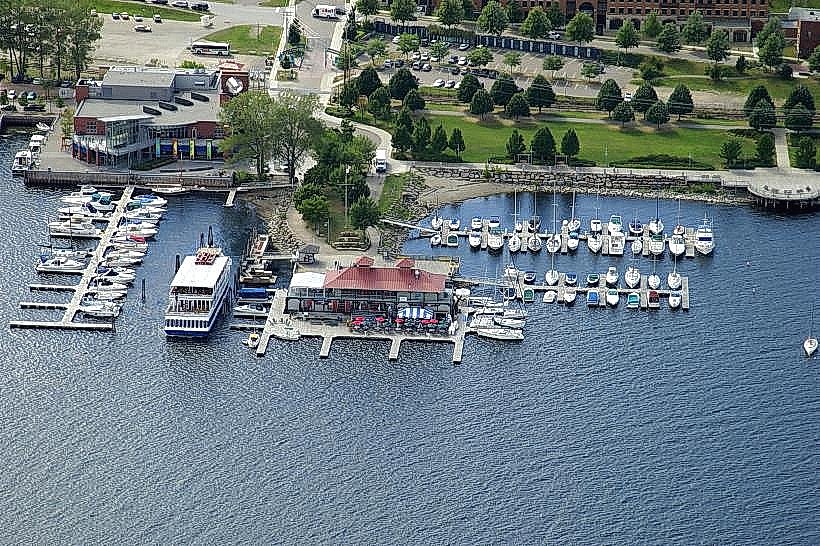
ECHO, Leahy Center for Lake Champlain, located on Burlington’s waterfront, is a state-of-the-art science and nature museum dedicated to the ecology, culture, and history of Lake Champlain and its surrounding region. Combining interactive exhibits, live animal habitats, and educational programs, ECHO offers visitors of all ages an immersive exploration of freshwater ecosystems, conservation, and Vermont’s natural heritage.
History & Founding
Opened in 2003, ECHO was developed with support from philanthropists including Senator Patrick Leahy, after whom the center is named. Its creation reflected a growing desire to educate the public about the lake’s ecological importance while providing an engaging family-friendly venue. The center has since become a leading environmental education institution in Vermont, serving both residents and visitors with a mix of permanent and rotating exhibits.
Exhibits & Collections
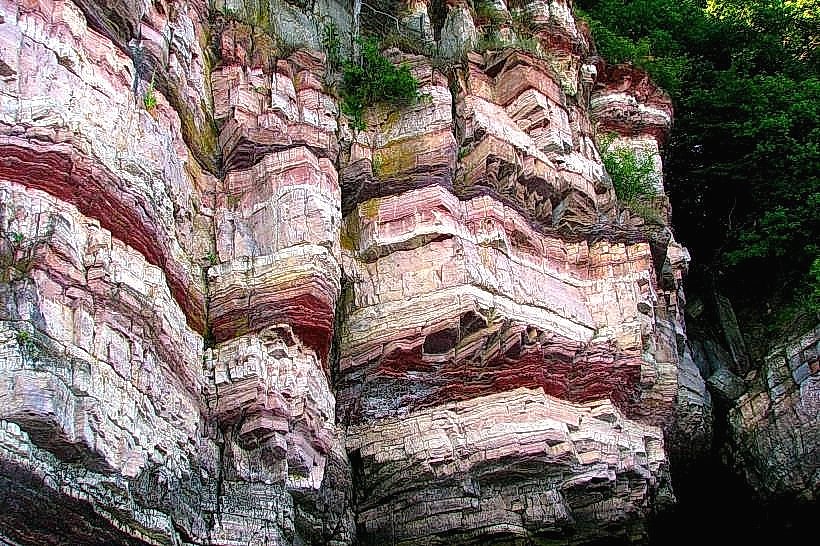
ECHO houses over 75 live animal species, including fish, turtles, amphibians, and invertebrates native to Lake Champlain. The Freshwater Gallery showcases the lake’s biodiversity, while touch tanks allow hands-on experiences with local species. Other galleries focus on climate science, geology, and Vermont’s agricultural and cultural history, integrating interactive technology and multimedia displays to engage learners of all ages. Seasonal and traveling exhibits provide variety and encourage repeat visits.
Outdoor Spaces
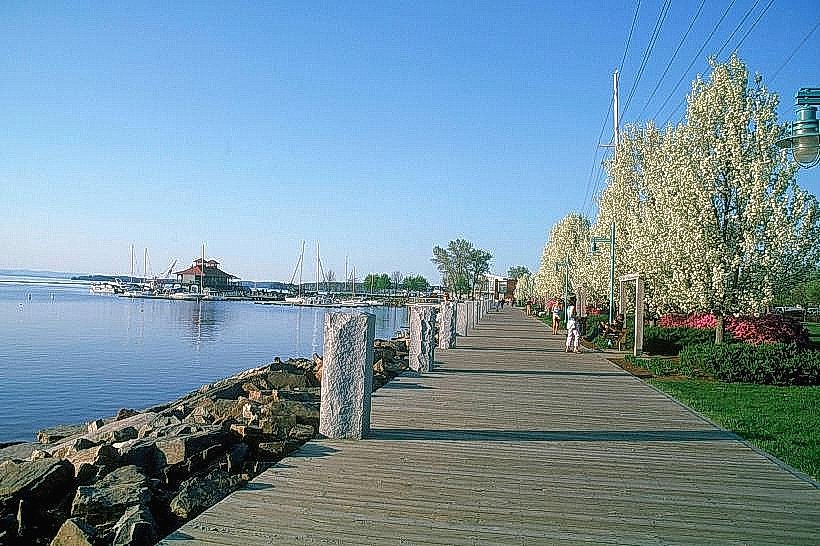
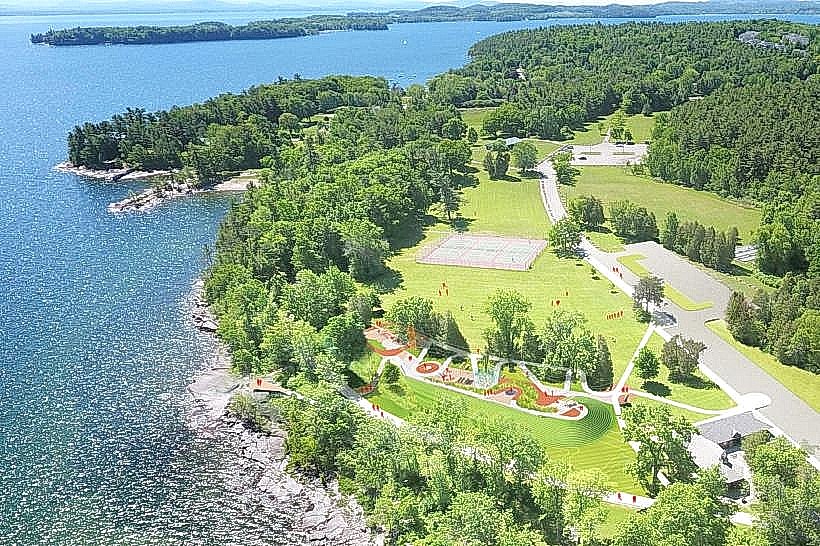
The center’s lakefront location allows for direct access to Lake Champlain and its habitats. Outdoor classrooms, boardwalks, and demonstration gardens illustrate wetland ecosystems, shoreline restoration, and native plant species. Visitors can watch boats, migratory birds, and other wildlife while learning about sustainable practices and the impact of human activity on freshwater systems.
Education & Programs
ECHO emphasizes hands-on environmental education. Programs range from summer camps, school field trips, and citizen science projects to workshops for families and adults. Students participate in fish monitoring, water quality testing, and habitat restoration projects, gaining practical experience in ecology and conservation. The center also hosts lectures and public events addressing topics such as climate change, invasive species, and sustainable living.
Cultural & Community Role
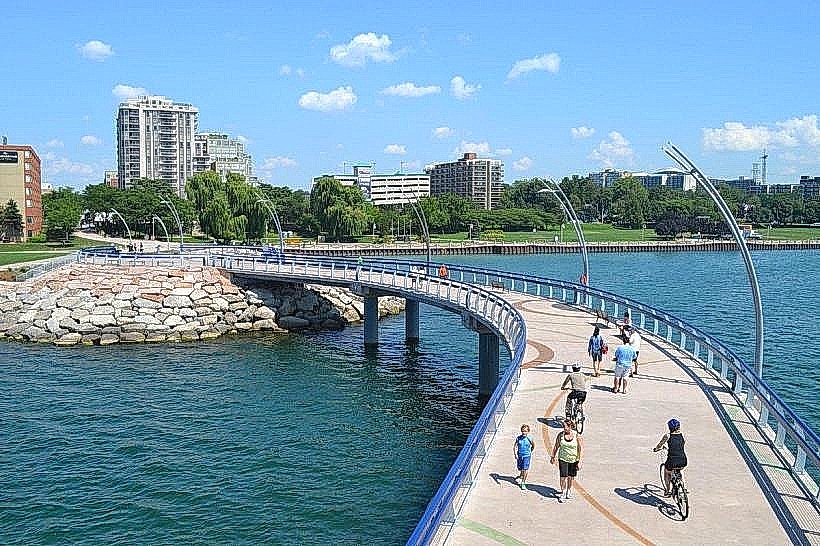
The center acts as a bridge between science and community life. Seasonal festivals, family nights, and collaborative events with local artists and scientists make ECHO a social as well as educational destination. Its location along the Burlington Bike Path and Waterfront Park integrates it into the city’s broader recreational and cultural network, encouraging visitors to combine exploration, learning, and leisure in one outing.
Accessibility & Visitor Experience
ECHO is fully accessible, with ramps, elevators, and tactile exhibits for visitors with varying abilities. The museum shop features Vermont-made gifts and educational materials, while the café offers lake-view seating. Its design emphasizes interactive learning, blending indoor exhibits with outdoor exploration and creating a multi-sensory experience that is both entertaining and informative.
Seasonal Highlights
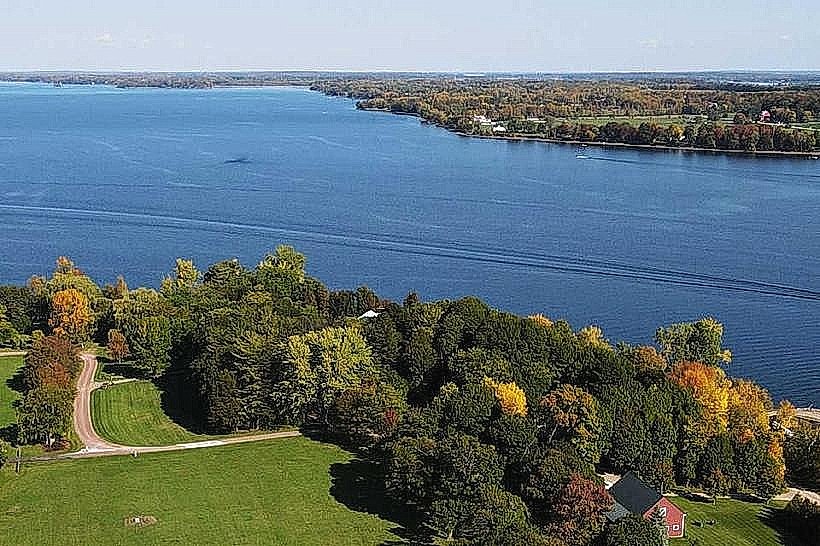
Different times of year provide unique experiences. Spring showcases migratory birds and hatchlings, summer highlights boating and water-related exhibits, fall emphasizes environmental changes and foliage along the lake, and winter introduces hands-on workshops and seasonal wildlife presentations.
Essence of ECHO
ECHO, Leahy Center for Lake Champlain, is more than a museum-it is a living classroom that connects visitors with the lake, its ecosystems, and Vermont’s natural heritage. It balances education, conservation, and recreation, creating a space where families, students, and tourists can explore, understand, and appreciate the interconnectedness of human and natural communities along Lake Champlain.