Information
Landmark: Lake Pend OreilleCity: Sandpoint
Country: USA Idaho
Continent: North America
Lake Pend Oreille, Sandpoint, USA Idaho, North America
Lake Pend Oreille is a large, glacially-carved freshwater lake situated in the Idaho Panhandle of northern Idaho, USA. It is the fifth-deepest lake in the United States.
Visual Characteristics
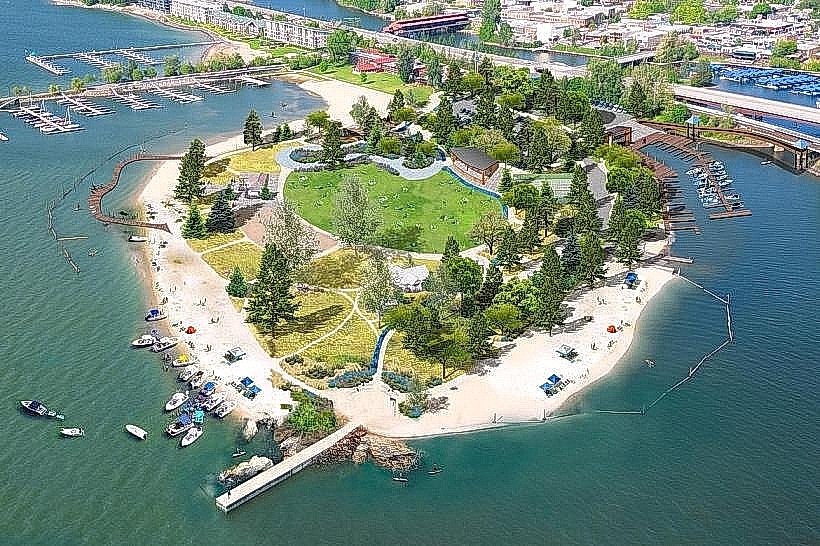
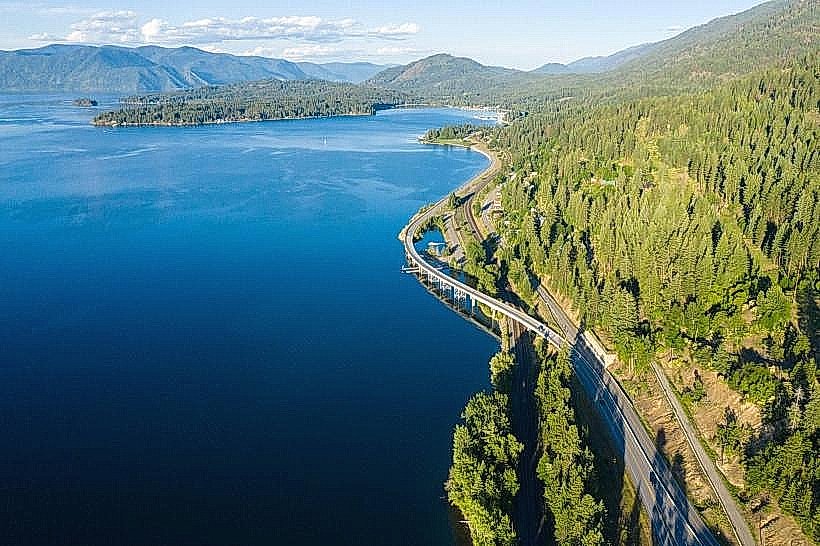
The lake's surface area is approximately 148 square miles. Its depth reaches a maximum of 1,158 feet. The water color varies from deep blue to greenish-blue depending on depth and light conditions. The shoreline is characterized by a mix of sandy beaches, rocky outcrops, and forested slopes. Surrounding mountains, part of the Selkirk Mountains range, are covered in coniferous forests.
Location & Access Logistics
Lake Pend Oreille is located in Bonner County, Idaho. The city of Sandpoint serves as a primary access point, situated on the northern shore. From Sandpoint, State Highway 2 provides east-west access along the northern edge of the lake. State Highway 95 runs north-south along the western side. Numerous boat launches are available, including those at Sandpoint City Park and Farragut State Park. Parking is available at designated boat launches and recreational areas, with fees often applicable. Amtrak passenger trains stop in Sandpoint, offering rail access.
Historical & Ecological Origin
The lake was formed by glacial activity during the Pleistocene epoch. The Pend d'Oreilles people, a Native American tribe, historically inhabited the region. The lake was named by French-Canadian fur traders. Its deep basin is a remnant of glacial scouring.
Key Highlights & Activities
Boating and sailing are primary activities. Fishing for species including rainbow trout, kokanee salmon, and northern pike is common. Kayaking and paddleboarding are possible on calmer sections of the lake. Hiking trails are present in surrounding state parks, such as Farragut State Park. Swimming is permitted in designated areas during warmer months.
Infrastructure & Amenities
Restrooms are available at public access points and state parks. Shade is provided by trees along much of the shoreline and in park areas. Cell phone signal (4G/5G) is generally available in populated areas like Sandpoint and along major roadways, but can be intermittent on remote sections of the lake. Food vendors and restaurants are concentrated in Sandpoint and other small communities along the lake.
Best Time to Visit
The best months for water-based activities are June through September, when water temperatures are most suitable for swimming and boating. For photography, early morning and late afternoon offer favorable lighting conditions on the water and surrounding mountains. High tide is not a relevant factor for this freshwater lake.
Facts & Legends
Lake Pend Oreille is home to the "Pend Oreille Monster," a cryptid rumored to inhabit its depths, though no verifiable evidence exists. The lake's extreme depth has also made it a site for U.S. Navy sonar testing and research.
Nearby Landmarks
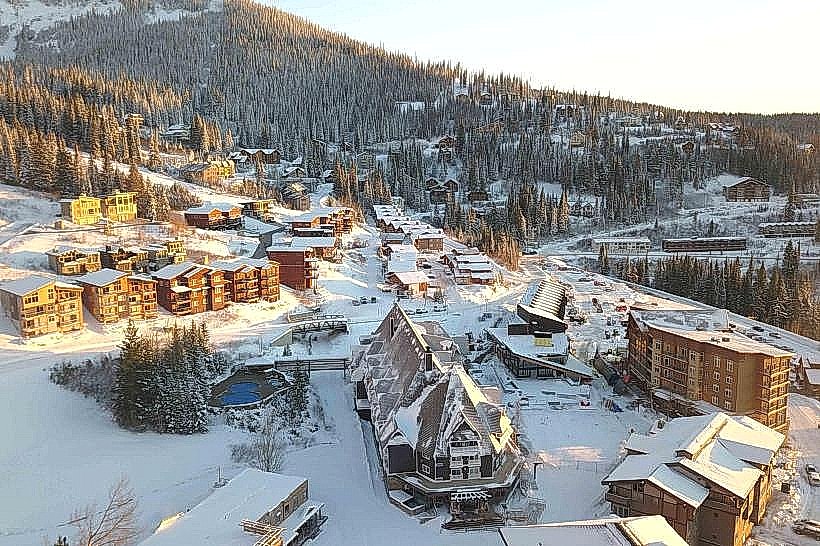
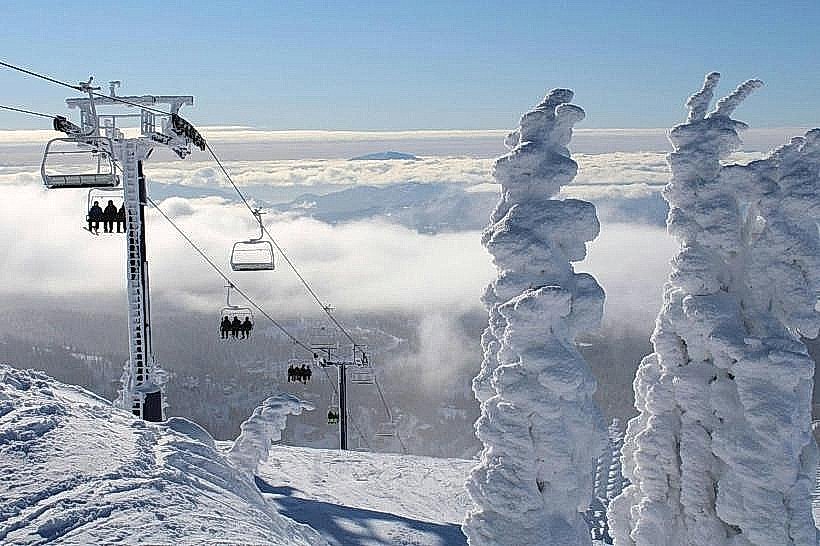
- Schweitzer Mountain Resort (12km North)
- Priest Lake (35km North)
- Kootenai National Wildlife Refuge (40km East)
- Silverwood Theme Park (30km Southwest)
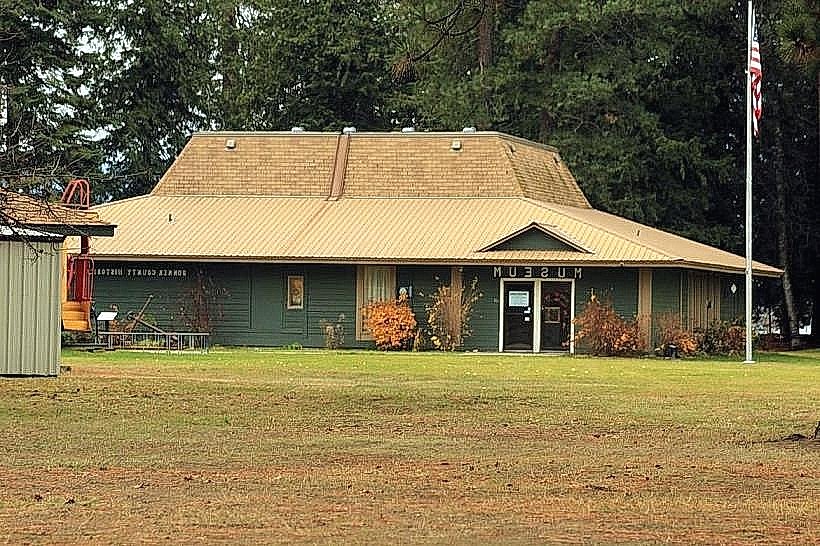
- Bonner County Historical Museum (1km Northwest)