Information
Landmark: Lake TahoeCity: Carson City
Country: USA Nevada
Continent: North America
Lake Tahoe, Carson City, USA Nevada, North America
Wildwood Park for the Arts is a multi-disciplinary performing arts and education center located in Little Rock, Arkansas.
Visual Characteristics
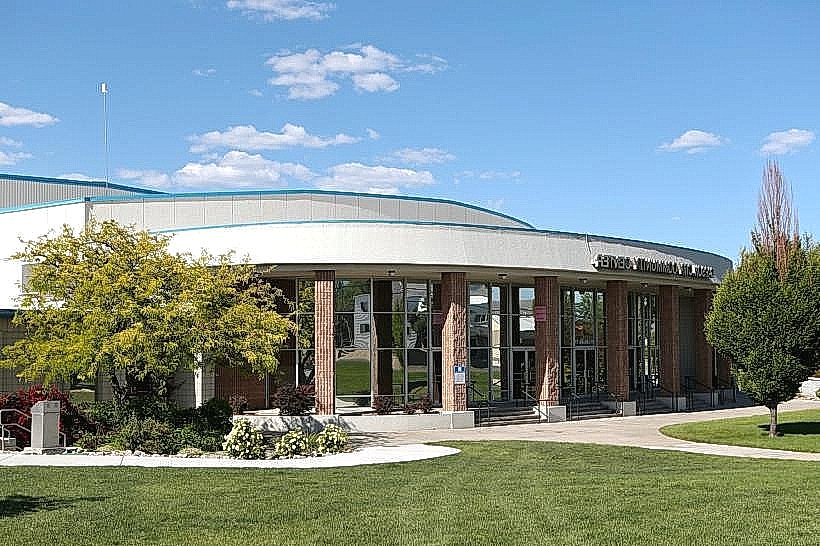
The park encompasses approximately 105 acres. The main performance venue, the Stella Boyle Smith Concert Hall, is a modern structure with a facade primarily of brick and glass. Surrounding the performance spaces are landscaped grounds featuring mature trees, open lawn areas, and walking paths. The park includes outdoor amphitheater seating constructed from concrete and wood.
Location & Access Logistics
Wildwood Park for the Arts is situated at 20915 Cantrell Road, Little Rock, AR 72223. It is approximately 15 miles west of downtown Little Rock. Access is via Cantrell Road (Highway 10). Ample parking is available on-site in designated lots. Public transport options are limited; the closest bus routes typically require a transfer and a significant walk.
Historical & Ecological Origin
The park was established in 1991 through the vision of local philanthropists and arts advocates. The site itself is part of the Ouachita Mountain foothills, characterized by mixed hardwood and pine forests. The development focused on integrating the performing arts facilities with the natural environment.
Key Highlights & Activities
Attend performances in the Stella Boyle Smith Concert Hall, which hosts a variety of musical, theatrical, and dance productions. Utilize the outdoor amphitheater for seasonal events. Participate in educational workshops and classes offered by the park's arts programs. Explore the park's walking trails and natural areas.
Infrastructure & Amenities
Restrooms are available within the main building. Limited shaded areas are provided by trees and covered walkways. Cell phone signal (4G/5G) is generally reliable within the main facilities. Food and beverage options are typically available for purchase during scheduled events; nearby restaurants are located along Cantrell Road.
Best Time to Visit
Performance schedules vary year-round. For outdoor events, late spring and early autumn offer moderate temperatures. The park's natural beauty is most pronounced during spring for blooming flora and autumn for foliage changes. Mid-day offers the most direct sunlight on the open grounds.
Facts & Legends
The park's design intentionally preserves a significant portion of the original woodland, with structures carefully sited to minimize environmental impact. A notable feature is the integration of natural acoustics in some outdoor performance areas.
Nearby Landmarks
- Pinnacle Mountain State Park (10km Northwest)
- Arkansas Arts Center (12km East)
- Little Rock Zoo (13km East)
- Old State House Museum (14km East)
- Riverfront Park (15km East)