Information
Landmark: Lake Tanganyika ShorelineCity: Mbeya
Country: Tanzania
Continent: Africa
Lake Tanganyika Shoreline, Mbeya, Tanzania, Africa
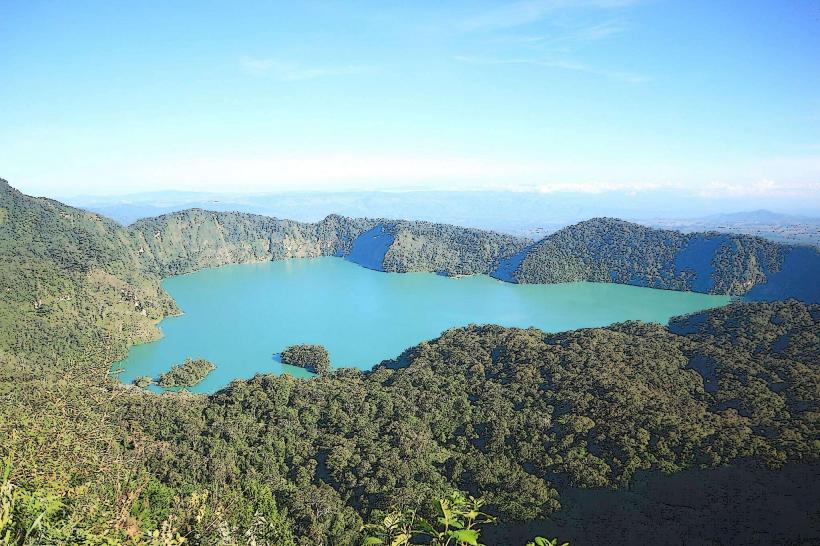
Lake Tanganyika Shoreline in Mbeya, Tanzania, is a significant section of the world's second-deepest freshwater lake. This area provides access to the lake's extensive aquatic environment and surrounding terrestrial ecosystems.
Visual Characteristics
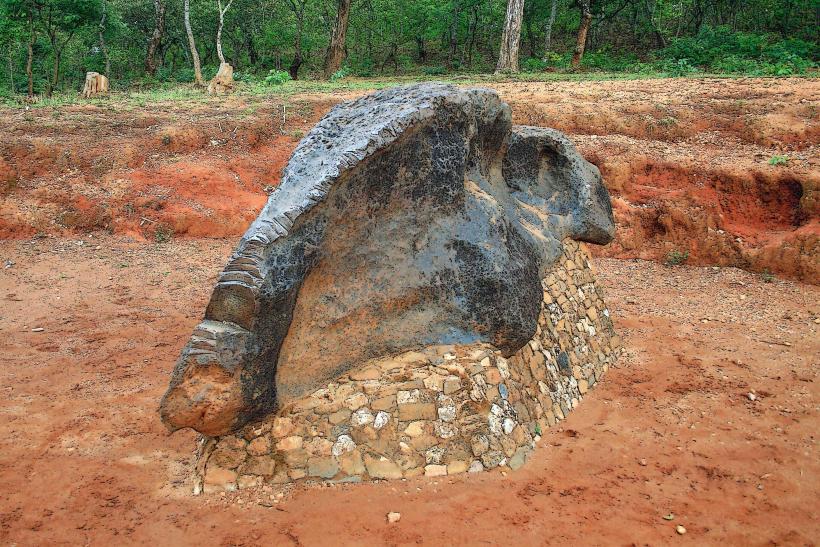
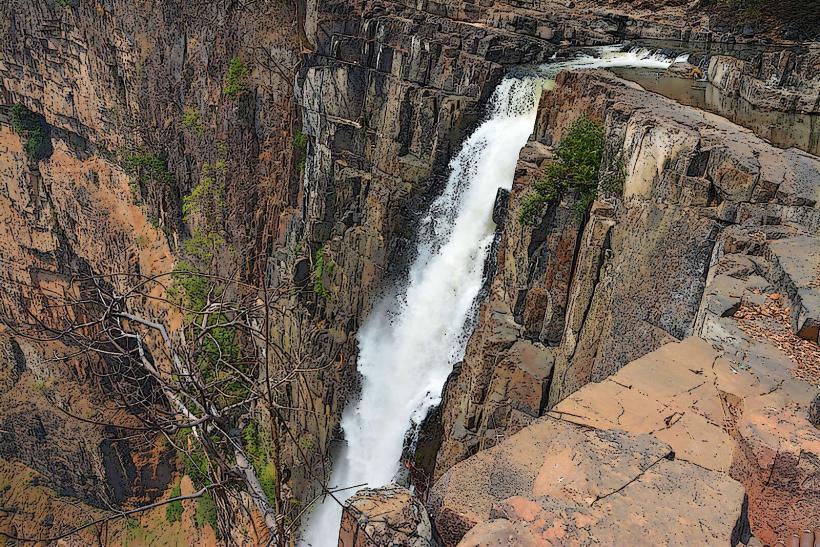
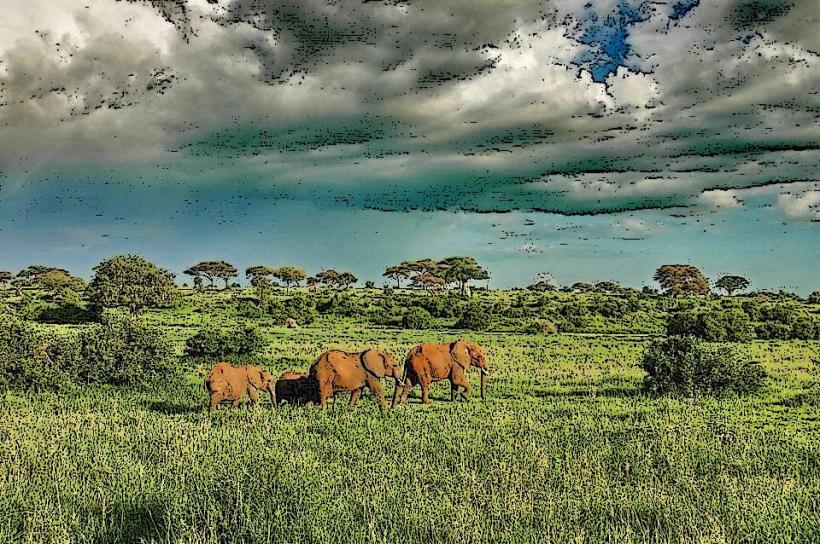
The shoreline is characterized by a mix of sandy beaches and rocky outcrops. Water color varies from deep blue in open areas to turquoise near the shore, influenced by depth and sediment. Vegetation density increases inland, with acacia trees and various grasses common. Rock formations are primarily sedimentary and igneous, shaped by erosion.
Location & Access Logistics
The Mbeya section of Lake Tanganyika's shoreline is accessible via the T1 National Highway, approximately 150 kilometers west of Mbeya city center. Turn off the T1 onto local gravel roads leading to specific access points. Parking is generally available at designated informal pull-offs. Public transport options are limited; local dala-dala (minibuses) may reach villages near the shore, requiring further walking or local arrangements for direct lake access.
Historical & Ecological Origin
Lake Tanganyika is a rift lake, formed by tectonic plate movement within the East African Rift Valley. Its formation dates back millions of years. The shoreline itself is a product of ongoing erosion and sedimentation processes influenced by lake levels and geological activity.
Key Highlights & Activities
Activities include fishing, particularly from small boats. Swimming is possible in designated shallow areas. Birdwatching is a primary activity, with numerous resident and migratory species present. Hiking along the shoreline trails offers views of the lake and surrounding landscape.
Infrastructure & Amenities
Basic amenities are scarce directly on the shoreline. Restrooms are not consistently available. Shade is provided by natural vegetation. Cell phone signal (2G/3G) is intermittent and depends on proximity to villages. Food vendors are not present at most access points; visitors should carry provisions.
Best Time to Visit
The dry season, from June to October, offers the most stable weather conditions. The best time of day for photography is typically early morning or late afternoon, when the sun angle is lower, providing softer light. High tide can affect accessibility to certain beach areas.
Facts & Legends
Lake Tanganyika is home to the cichlid fish family, which exhibits exceptional species diversity and evolutionary radiation, a subject of significant scientific study. Local folklore often speaks of the lake's immense depth and the creatures that inhabit its unseen floor.
Nearby Landmarks
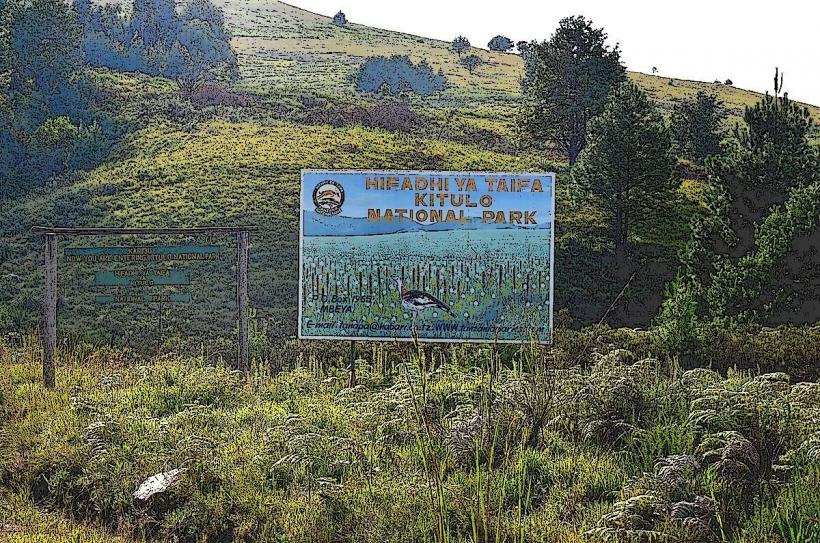
- Kitulo National Park (100km Southeast)
- Ruaha National Park (250km Northeast)
- Livingstone Mountains (50km East)
- Sumbawanga Town (180km West)