Information
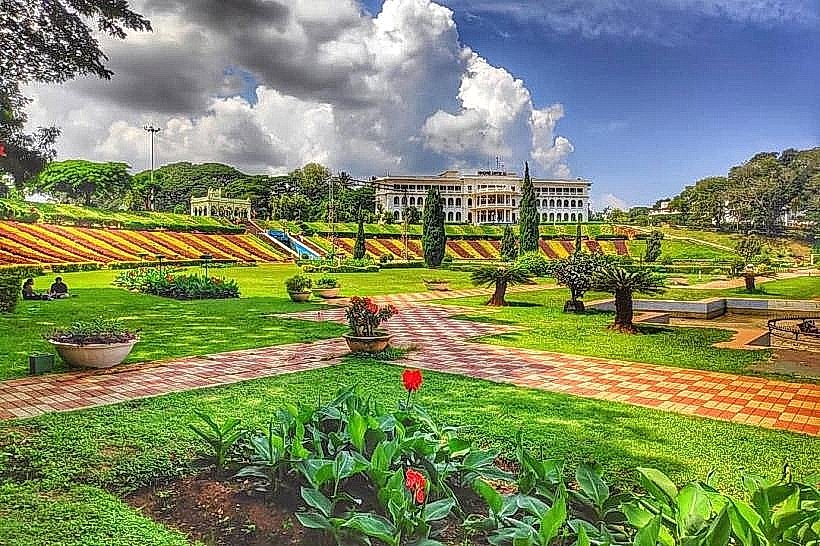
Landmark: Lalitha Mahal PalaceCity: Mysore
Country: India
Continent: Asia
Lalitha Mahal Palace, Mysore, India, Asia
Tughlaqabad Fort is a ruined fort located in Delhi, India. It was constructed in the 14th century.
Visual Characteristics
The fort is constructed primarily from sandstone and rubble masonry. Its walls are substantial, reaching heights of approximately 10 meters, with bastions at regular intervals. The architectural style is characteristic of Tughlaq dynasty fortifications, featuring robust, unadorned structures designed for defense. Large, arched gateways punctuate the perimeter. The interior is largely in ruins, with remnants of palaces, audience halls, and residential areas visible.
Location & Access Logistics
Tughlaqabad Fort is situated in the southern part of Delhi, approximately 10 kilometers south of Connaught Place. Access is via Mehrauli-Badarpur Road. The nearest metro station is Tughlaqabad (Violet Line), located about 1.5 kilometers from the fort entrance. Auto-rickshaws and taxis are readily available from the metro station. Limited parking is available near the main entrance, often on the roadside.
Historical & Ecological Origin
Construction of Tughlaqabad Fort began in 1321 AD under the orders of Ghiyas-ud-din Tughlaq, the founder of the Tughlaq dynasty. Its original purpose was to serve as the third city of Delhi and a defensive stronghold. The fort was built on a rocky outcrop, utilizing the natural topography for its strategic advantage.
Key Highlights & Activities
Exploration of the fort's extensive ruins is the primary activity. Visitors can walk along sections of the ramparts, observe the remnants of the citadel, and examine the surviving gateways. The Ghiyas-ud-din Tughlaq's tomb, located adjacent to the fort, is also accessible and features a distinctive dome.
Infrastructure & Amenities
Restrooms are available near the main entrance. Limited shade is provided by the existing structures. Cell phone signal (4G/5G) is generally available within the fort complex. No food vendors operate within the fort; however, small stalls and shops are located outside the main entrance along the road.
Best Time to Visit
The best time of day for photography is during the early morning or late afternoon when the sunlight casts long shadows across the ruins, enhancing their texture. The optimal months for visiting are from October to March, when temperatures are cooler. High tide is not a relevant factor for this landlocked fort.
Facts & Legends
A popular legend states that Ghiyas-ud-din Tughlaq cursed the fort, causing it to be abandoned shortly after its completion. Another account suggests the fort was abandoned due to a scarcity of water. The fort's construction was reportedly so rapid that it disrupted the work of local masons, leading to a curse on the city.
Nearby Landmarks
- Adilabad Fort (0.8km North)
- Qutub Minar (3.5km West)
- Mehrauli Archaeological Park (4.0km West)
- Siri Fort (4.5km North-West)