Information
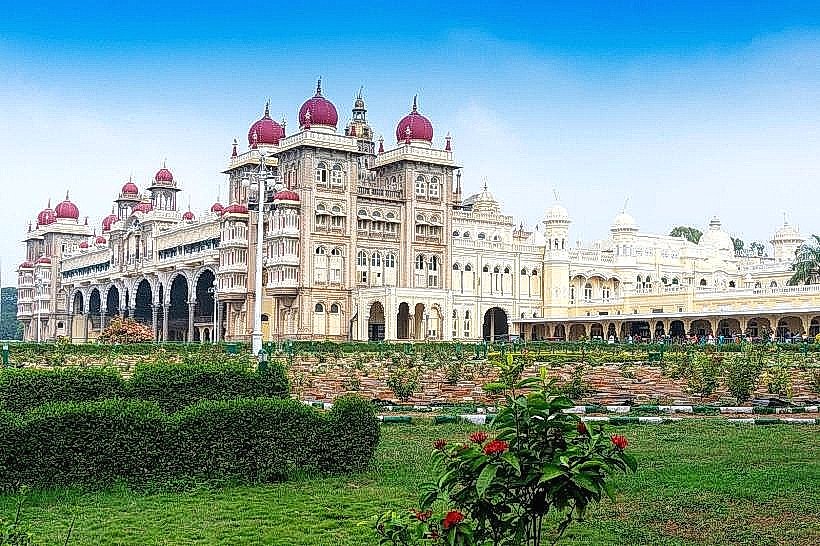
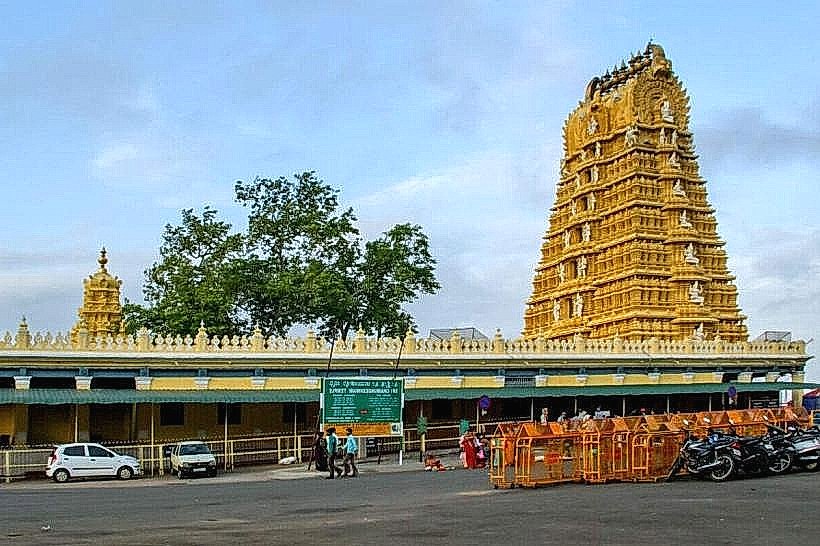
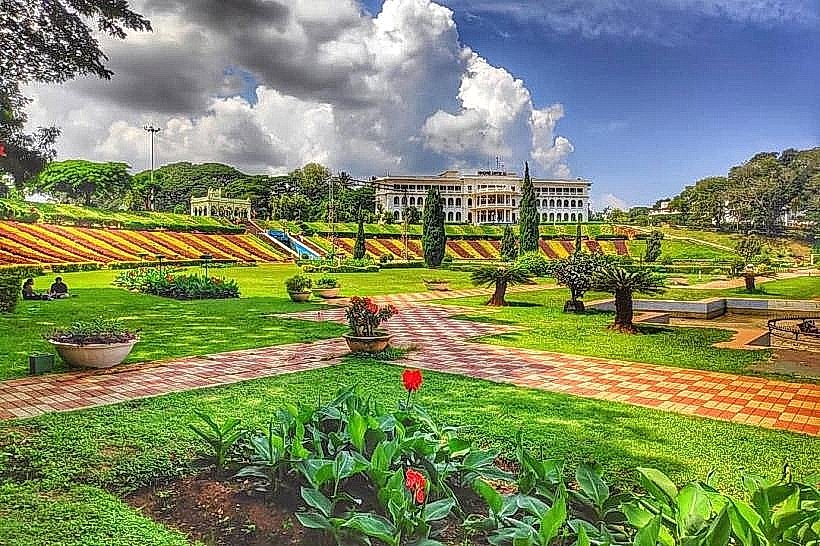
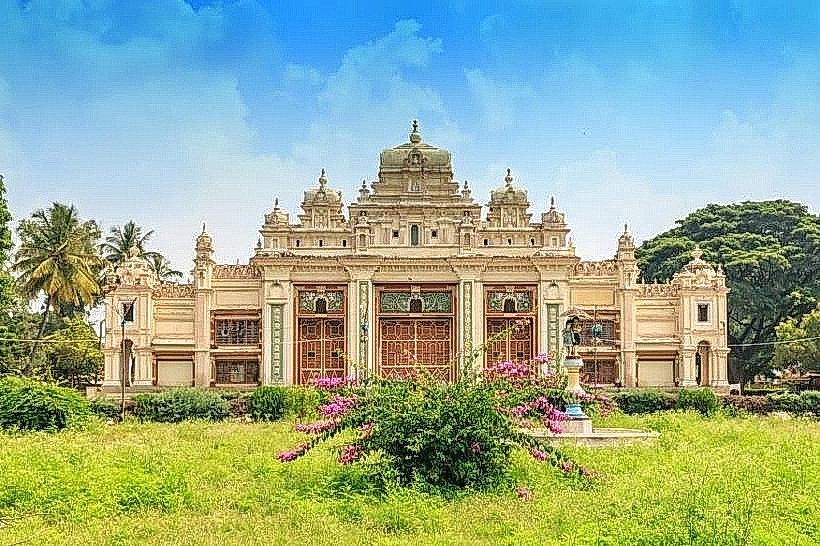
Landmark: Mysore ZooCity: Mysore
Country: India
Continent: Asia
Mysore Zoo, Mysore, India, Asia
Rashtrapati Bhavan is the official residence of the President of India, located in New Delhi.
Visual Characteristics
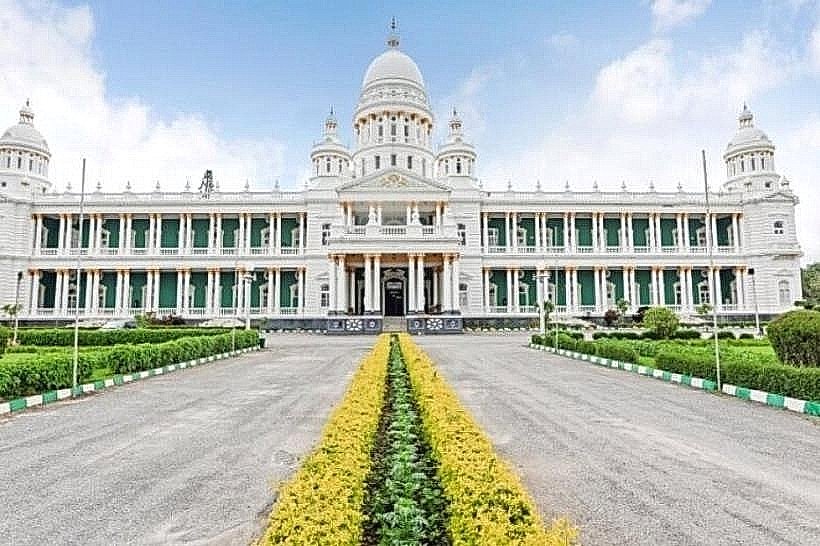
This monumental building is constructed primarily from red sandstone and granite. It features a large central dome, colonnades, and extensive gardens. The architectural style is a blend of Indian and European influences, characterized by its symmetrical design and imposing scale. The main building has four floors and covers an area of approximately 5 acres, with the Presidential Estate spanning over 320 acres.
Location & Access Logistics
Rashtrapati Bhavan is situated at the western end of Rajpath in New Delhi. It is approximately 4 kilometers west of Connaught Place, the city center. Access is via Dr. APJ Abdul Kalam Road. Limited visitor parking is available within the estate, and visitors are subject to security checks. The nearest metro station is Central Secretariat, approximately 1.5 kilometers east, with bus routes serving the surrounding area.
Historical & Ecological Origin
Construction of Rashtrapati Bhavan, originally known as Government House, began in 1912 and was completed in 1929. Designed by architect Edwin Lutyens, it was intended to be the residence of the Viceroy of India. The site was chosen for its strategic location and prominence in the newly planned capital city of New Delhi.
Key Highlights & Activities
Visitors can tour specific sections of the building, including the Durbar Hall, Ashok Hall, and the Banquet Hall, on designated days. The Mughal Gardens and other landscaped areas within the estate are also accessible during specific periods, typically from February to March. Photography is permitted in designated areas.
Infrastructure & Amenities
Restrooms are available for visitors in the tour areas. Shaded areas are present within the gardens. Cell phone signal (4G/5G) is generally available within the estate. Food vendors are not typically located within the immediate vicinity of the visitor access points, but are available in the broader New Delhi area.
Best Time to Visit
For photography, early morning or late afternoon light provides optimal illumination of the building's facade. The best months to visit are generally from October to March, when the weather in New Delhi is cooler and more pleasant. The Mughal Gardens are typically open to the public from February to March.
Facts & Legends
A unique feature of Rashtrapati Bhavan is the Ashoka Pillar, located in the Durbar Hall, which is a replica of the original Ashoka Pillar at Sarnath. The building's construction involved the relocation of a large hill and the displacement of a village.
Nearby Landmarks
- India Gate (1.5km East)
- National Museum (2.5km Southeast)
- Connaught Place (4km East)
- Lodhi Garden (4.5km Southeast)
- Humayun's Tomb (6km Southeast)