Information
Landmark: Landis Valley Village & Farm MuseumCity: Lancaster
Country: USA Pennsylvania
Continent: North America
Landis Valley Village & Farm Museum, Lancaster, USA Pennsylvania, North America
Landis Valley Village & Farm Museum is a living history museum located in Lancaster, Pennsylvania, USA. It preserves and interprets the rural life of Pennsylvania Germans from the 18th to the early 20th centuries.
Visual Characteristics
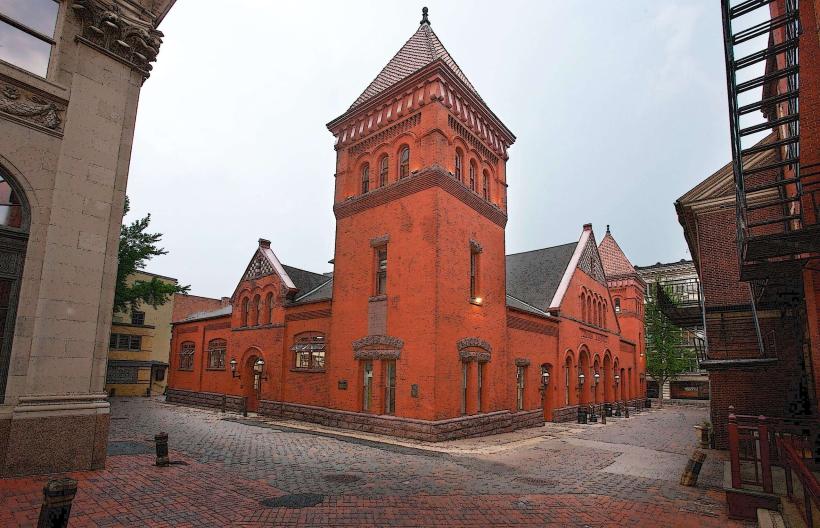
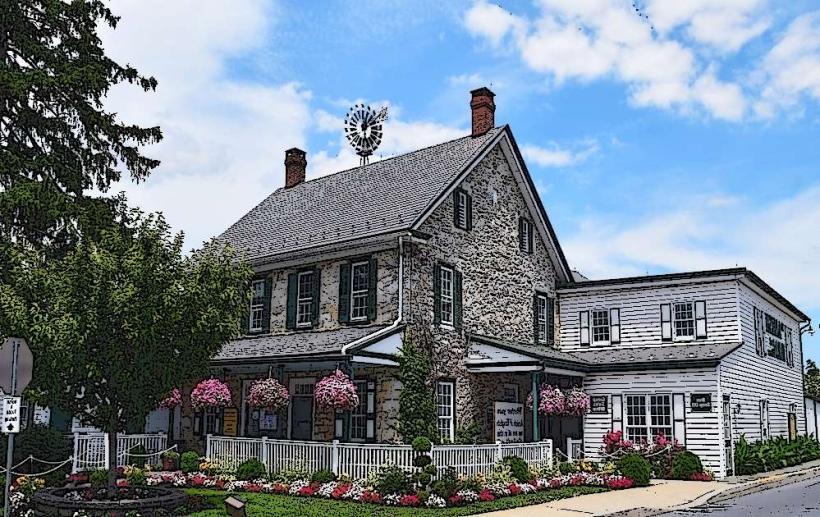
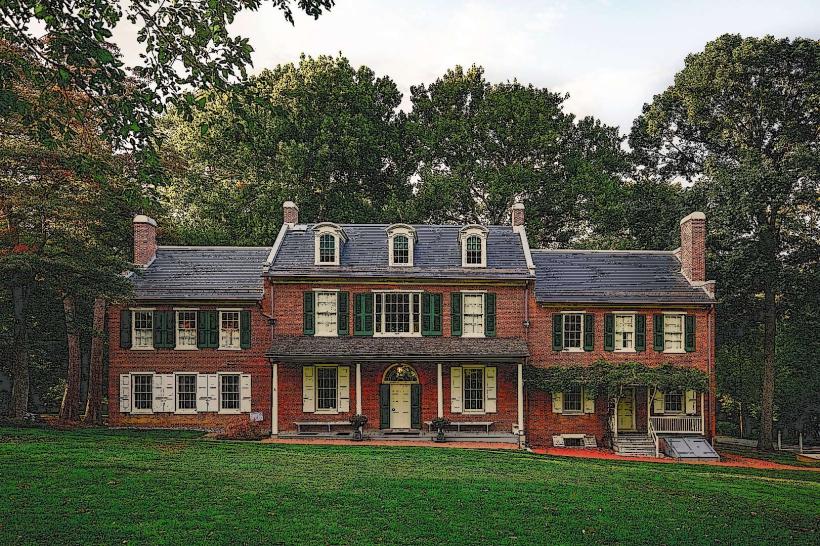
The museum comprises over 30 historic buildings, including log houses, stone barns, and workshops, reconstructed or relocated to the site. Structures are primarily constructed from local fieldstone, timber, and brick. Building colors range from natural wood and stone tones to whitewashed walls and dark-stained timbers. The site features cultivated fields, orchards, and gardens, reflecting historical agricultural practices.
Location & Access Logistics
The museum is situated at 2451 Kissel Hill Road, Lancaster, PA 17601. It is approximately 8 kilometers (5 miles) northeast of downtown Lancaster. Access is via US Route 30 East, then turning north onto Kissel Hill Road. Ample free parking is available on-site. Public transport options are limited; the nearest bus route is the Red Rose Transit Authority (RRTA) Route 10, with a stop approximately 1.6 kilometers (1 mile) south of the museum entrance.
Historical & Ecological Origin
The museum was founded by George Landis, a collector of Pennsylvania German artifacts. He began amassing items in the early 20th century, intending to preserve the heritage of his ancestors. The site itself was originally farmland. The collection and preservation efforts began in earnest after Landis's death in 1953, with the museum officially opening to the public in 1965. The focus is on the material culture and agricultural traditions of the Pennsylvania German community.
Key Highlights & Activities
Visitors can explore 19th-century farmsteads, including a blacksmith shop, a print shop, and a schoolhouse. Demonstrations of traditional crafts such as spinning, weaving, and pottery are conducted by costumed interpreters. Seasonal agricultural activities, like plowing and harvesting, are showcased. The museum also houses extensive collections of furniture, tools, and textiles.
Infrastructure & Amenities
Restrooms are available in the Welcome Center and near the main exhibit areas. Shaded areas are present within the village, particularly under trees and within some of the larger buildings. Cell phone signal (4G/5G) is generally available throughout the site. Food vendors are not permanently stationed on-site, but concessions may be available during special events. A gift shop is located in the Welcome Center.
Best Time to Visit
The best time for photography is during the morning or late afternoon when sunlight creates longer shadows and highlights architectural details. For optimal weather and outdoor activity viewing, late spring (May-June) and early autumn (September-October) are recommended. The museum operates on a seasonal schedule, typically from April through November.
Facts & Legends
A notable artifact within the collection is a complete 18th-century printing press, which is still functional and used for demonstrations. Local lore suggests that some of the relocated buildings retain residual "spirits" of their former inhabitants, though this is anecdotal.
Nearby Landmarks
- Landis Valley Museum Gift Shop (0.1km West)
- The Lancaster Barnstormers Baseball Stadium (4.5km Southwest)
- Central Market, Lancaster (7.8km Southwest)
- Wheatland, President James Buchanan's Home (8.2km Southwest)
- The Amish Village (10.5km West)