Information
Landmark: Lastovo ArchipelagoCity: Dubrovnik
Country: Croatia
Continent: Europe
Lastovo Archipelago, Dubrovnik, Croatia, Europe
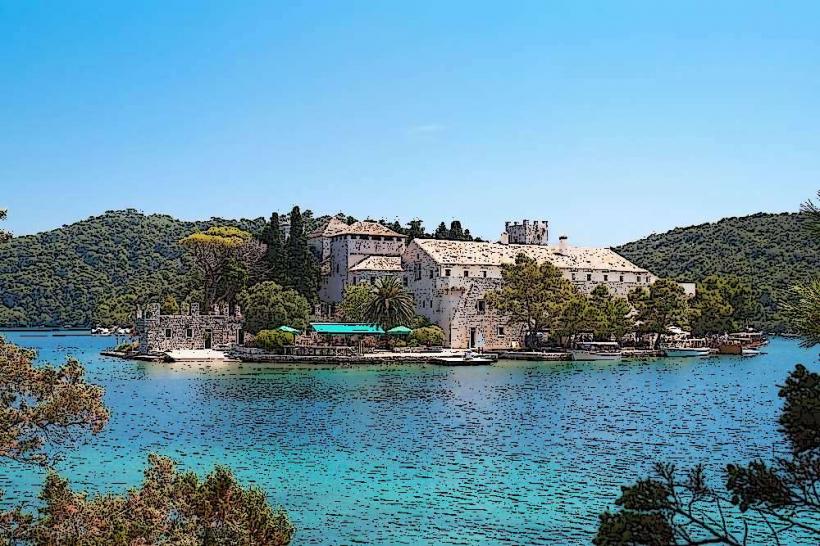
The Lastovo Archipelago is a protected Nature Park comprising 44 islands, islets, and rocks located in the southern Adriatic Sea, approximately 100 kilometers west of Dubrovnik. The largest island, Lastovo, is characterized by its mountainous interior and lack of coastal urbanization, serving as one of the most remote inhabited points in Croatia.
Visual Characteristics
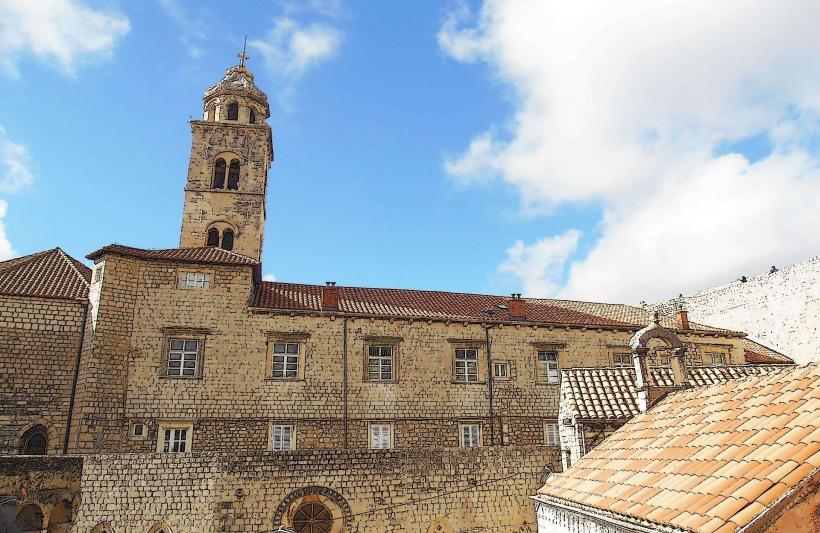
The archipelago features a rugged karst landscape with 46 fields (karst depressions) and steep cliffs rising from a deep sea. Dense forests of Aleppo pine and holm oak cover 70% of the land area, making it one of the most wooded islands in the Adriatic. The architectural aesthetic of the main village, Lastovo Town, is defined by white limestone houses and unique "fumari" (ornamental chimneys) that vary in shape and size.
Location & Access Logistics
Access from Dubrovnik is via the seasonal high-speed catamaran line (Dubrovnik-Sipan-Mljet-Korcula-Lastovo), which takes approximately 3.5 hours. From Split, a daily ferry (5 hours) or catamaran (3 hours) connects to the port of Ubli. The local road L69002 links the port of Ubli to Lastovo Town (9km). There is no airport; transit is strictly maritime. Car rentals and a local bus service provide inland transport.
Historical & Ecological Origin
The island was closed to foreigners from 1945 to 1989 due to its status as a strategic Yugoslav military base. The archipelago was declared a Nature Park in 2006 to protect its high biodiversity, which includes 703 plant species and rare Mediterranean monk seal habitats. Geologically, the islands consist of Upper Jurassic and Lower Cretaceous limestone and dolomite.
Key Highlights & Activities
Astrophotography is a primary activity due to the archipelago's status as one of Europe’s darkest spots. Hiking trails lead to the Hum peak (417m), providing views of the southern islands. Scuba diving is permitted in designated zones like the islets of Bijelac and Tajan, known for underwater tunnels and red coral. Sailing and anchoring are popular in the protected bays of Skrivena Luka and Veli Lago.
Infrastructure & Amenities
Ubli and Lastovo Town contain basic infrastructure, including small grocery stores, a post office, and a health clinic. Public restrooms are located at the Ubli ferry terminal. 4G/5G cellular signals are available near the main settlements but can be obstructed in deep bays or remote islets. Fresh water is supplied via an underwater pipeline from the mainland, though conservation is required during summer months.
Best Time to Visit
May and June are optimal for hiking and botanical observation. July and August offer stable sea conditions for sailing, though the Mistral wind typically rises in the afternoons. September provides the best water temperatures for diving. Photography of the "fumari" chimneys is best in the morning when the sun illuminates the tiered layout of Lastovo Town's north-facing amphitheater.
Facts & Legends
Lastovo is famous for its 15th-century "Poklad" (Carnival) tradition, which involves a straw puppet sliding down a 300-meter wire from a hilltop to the village center. A local historical oddity is the absence of venomous snakes on the island, a phenomenon attributed by folklore to the protection of Saint Cosmas and Damian.
Nearby Landmarks
Hum Viewpoint – 3.2km Southwest
Struge Lighthouse – 5.0km South
Veli Lago Bay – 7.8km West
Zaklopica Bay – 2.1km North
St. John’s Church – 0.5km East