Information
Landmark: Zaton BeachCity: Dubrovnik
Country: Croatia
Continent: Europe
Zaton Beach, Dubrovnik, Croatia, Europe
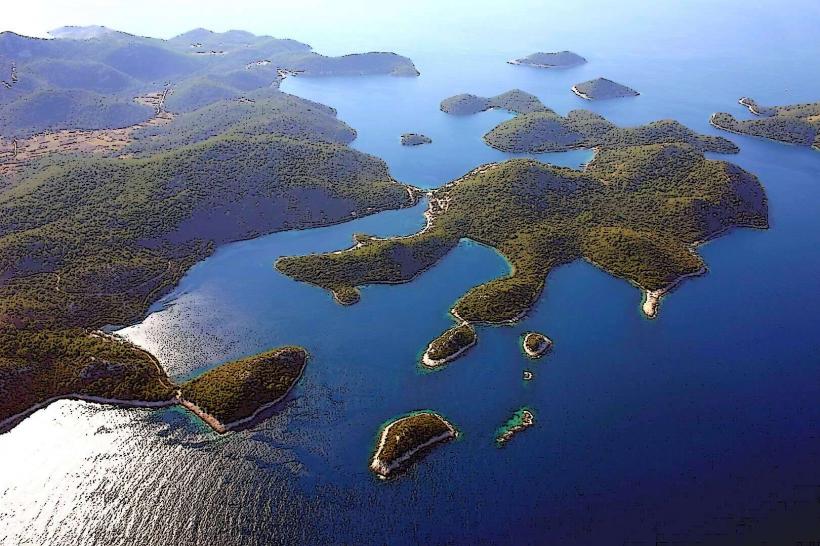
Zaton Bay is a deep, horseshoe-shaped inlet located on the Dubrovnik Riviera, approximately 8 kilometers northwest of Dubrovnik's Old Town. It comprises three distinct coastal settlements: Zaton Donji, Zaton Mali, and Štikovica, each featuring secluded pebble beaches and calm waters protected from open-sea swells.
Visual Characteristics
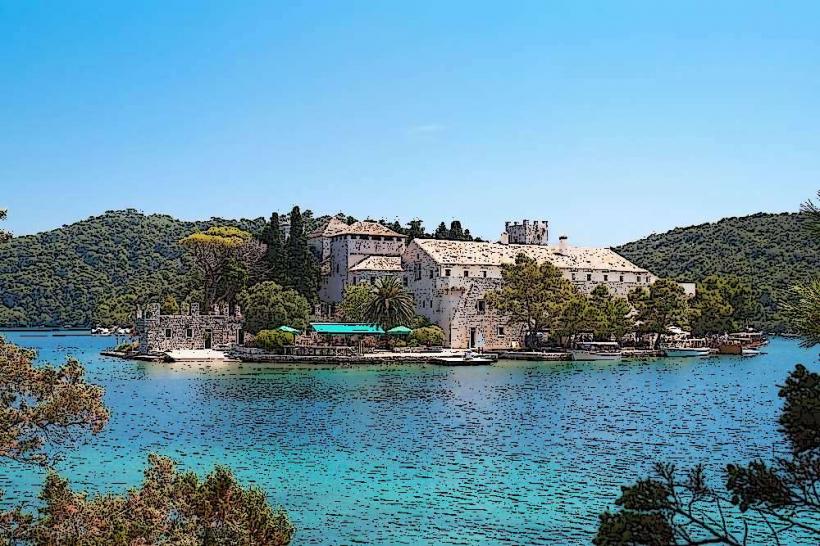
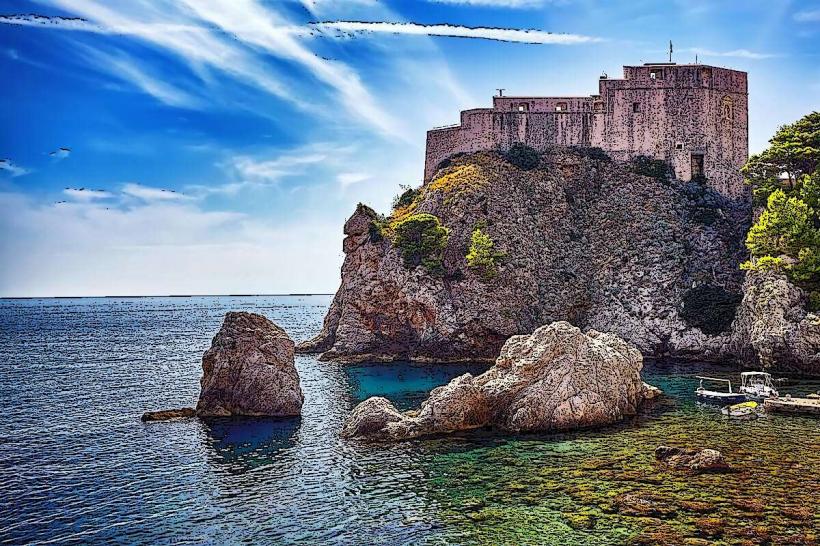
The shoreline is a mix of natural limestone rock, small pebble patches, and concrete swimming plateaus. The surrounding terrain is characterized by steep karst hills rising sharply from the water, covered in dense Mediterranean vegetation including cypress, Aleppo pine, and olive groves. The water is exceptionally still and clear, reflecting a deep emerald hue due to the surrounding greenery and the depth of the bay.
Location & Access Logistics
Zaton is situated along the Adriatic Highway (D8). From Dubrovnik, it is accessible via the Libertas bus lines 12, 15, 26, or 35, with a travel time of approximately 15–20 minutes. There is limited public parking along the local coastal road in Zaton Mali and Donji, while Štikovica has a small dedicated lot near the beach. Many visitors arrive via private boat or kayak from the nearby Elafiti Islands or Dubrovnik.
Historical & Ecological Origin
The bay was historically a preferred summer retreat for the Dubrovnik aristocracy during the 15th and 16th centuries, evidenced by several surviving Renaissance villas. Geologically, Zaton is a submerged karst valley. It is ecologically notable for its numerous "vrulje"-underwater freshwater springs-which lower the sea temperature slightly and contribute to high water purity.
Key Highlights & Activities
Sea kayaking is the primary activity, with many guided tours using Zaton as a base to explore the nearby Vjetrenica cave or the Elafiti archipelago. The bay's calm surface makes it suitable for stand-up paddleboarding and long-distance swimming. The waterfront promenade connecting Zaton Mali and Zaton Donji is a 2-kilometer path used for walking and cycling.
Infrastructure & Amenities
The bay is equipped with several waterfront restaurants, konobas (traditional taverns), and small grocery stores. Public restrooms are available at the larger beach areas in Štikovica. 5G cellular coverage is consistent throughout the bay. Natural shade is abundant under the pine trees lining the coast, though dedicated umbrella and sunbed rentals are primarily found in Štikovica.
Best Time to Visit
For swimming, the summer months of June through September are ideal. Photography is best in the late afternoon when the sun sets behind the hills of the Pelješac peninsula, casting a soft light over the calm bay. The bay is a reliable refuge for boaters during the "Bura" (north) wind, as the surrounding mountains provide a significant windbreak.
Facts & Legends
The name "Zaton" is a Slavic term for a bay or cove. Local history notes that the bay served as a hidden harbor for the Republic of Ragusa’s fleet during stormy weather, as its narrow entrance and deep indentation provide one of the most naturally protected moorings in the southern Adriatic.
Nearby Landmarks
Franjo Tuđman Bridge – 4.2km Southeast
Trsteno Arboretum – 5.5km Northwest
Vjetrenica Cave (Mali Zaton) – 0.5km North
Koločep Island – 3.5km Southwest (via sea)
Dubrovnik Old Town – 8.1km Southeast