Information
Landmark: Lemur ParkCity: Antananarivo
Country: Madagascar
Continent: Africa
Lemur Park, Antananarivo, Madagascar, Africa
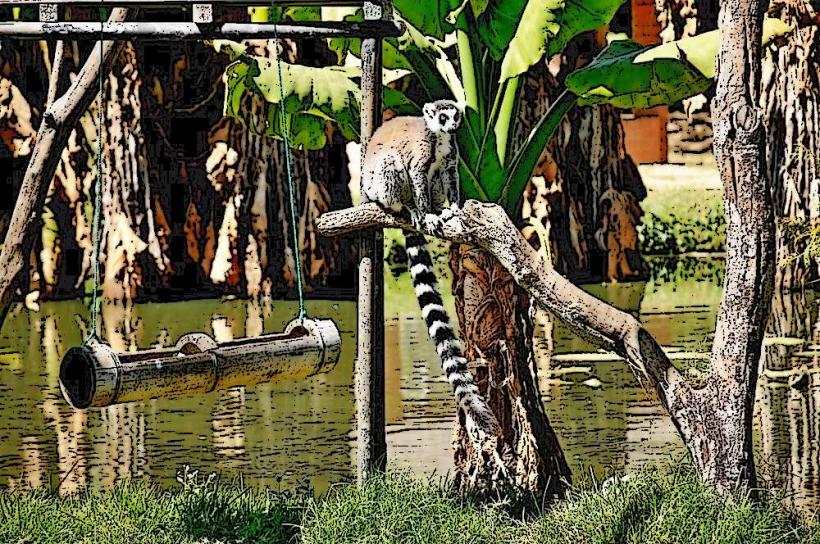
Lemur Park is a private botanical garden and lemur sanctuary located approximately 22 kilometers west of Antananarivo, Madagascar. It functions as a conservation and rehabilitation center for several endemic lemur species.
Visual Characteristics
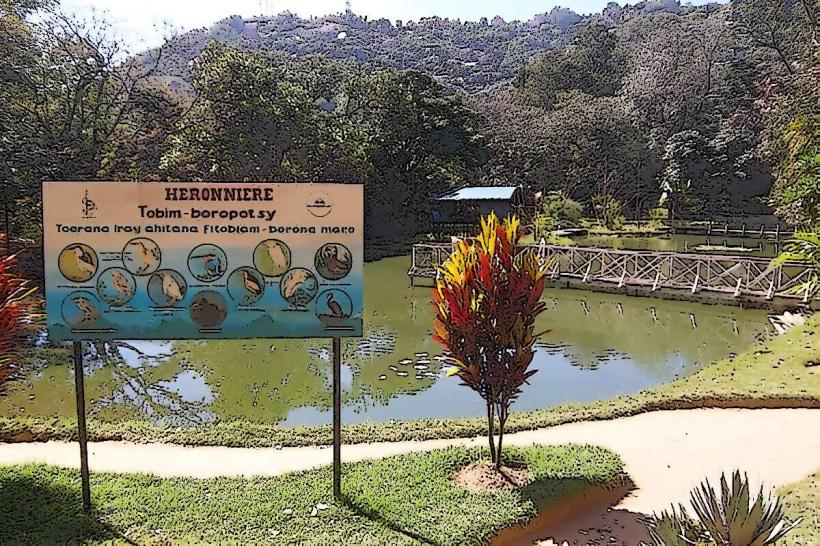
The park spans 5 hectares, characterized by a diverse collection of endemic Malagasy flora, including baobabs, palm trees, and succulent plants. Lemur enclosures are designed to mimic natural habitats, featuring dense foliage, climbing structures, and open spaces. The landscape incorporates a river and varied terrain to support different lemur species.
Location & Access Logistics
Lemur Park is situated along the RN1 national road, approximately 22 kilometers west of Antananarivo city center. To reach the park, follow RN1 heading towards Arivonimamo. A dedicated parking area is available on-site for private vehicles. Public transport options include taxi-brousse services from Antananarivo's Fasan'ny Karana station, disembarking near the park entrance, followed by a short walk.
Historical & Ecological Origin
Established in 2000 by French botanist Erik Pettersen, Lemur Park was created with the primary purpose of rehabilitating lemurs rescued from illegal pet trade and deforestation. It functions as a conservation and breeding center, aiming to reintroduce lemurs into their natural habitats. The park's botanical collection focuses on Malagasy flora, contributing to ecological preservation.
Key Highlights & Activities
Visitors can observe nine species of lemurs, including Ring-tailed Lemurs (Lemur catta), Sifakas (Propithecus verreauxi), Brown Lemurs (Eulemur fulvus), and Mongoose Lemurs (Eulemur mongoz), roaming freely within designated areas. Guided tours are offered, providing information on lemur behavior, conservation efforts, and the park's botanical collection. Photography is permitted throughout the park.
Infrastructure & Amenities
Restroom facilities are available near the entrance and main visitor areas. The park offers natural shade from its extensive tree cover, particularly along walking paths. Cell phone signal (4G) is generally reliable throughout the park. A small souvenir shop and a snack bar are present on-site, offering refreshments and local crafts.
Best Time to Visit
The best time to visit is during the cooler dry season, from April to October, when lemurs are most active and the weather is temperate. Mornings, between 9:00 AM and 11:00 AM, offer optimal viewing and photography conditions due to active lemurs and softer natural light. Avoid visiting during heavy rain periods, as lemurs may seek shelter.
Facts & Legends
Lemur Park has successfully reintroduced several lemurs into their natural habitats in protected areas across Madagascar, contributing directly to species survival. The park's founder, Erik Pettersen, personally oversees the rehabilitation and reintroduction programs, emphasizing a hands-on approach to conservation.
Nearby Landmarks
- Rova of Antananarivo: ~22km East
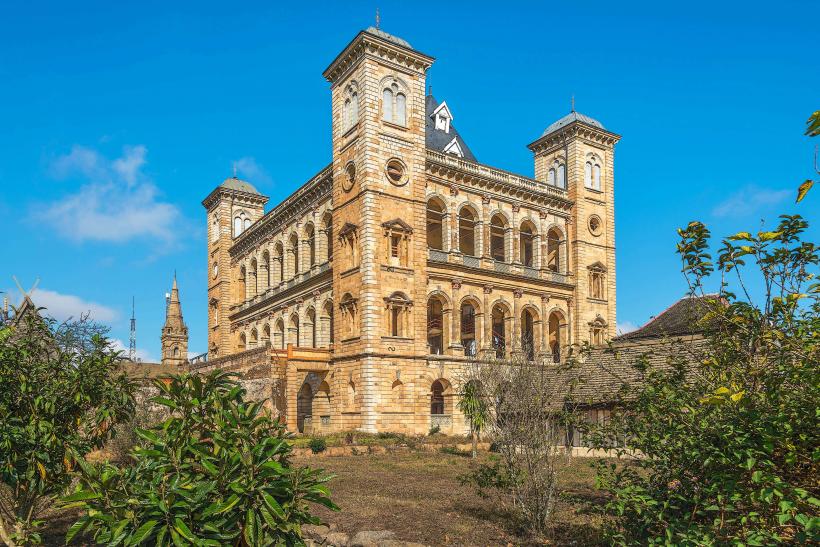
- Andafiavaratra Palace: ~22km East
- Analakely Market: ~20km East
- Tsimbazaza Zoo and Botanical Garden: ~20km East-Southeast
- Ivato International Airport: ~25km Northeast