Information
Landmark: Soarano Railway StationCity: Antananarivo
Country: Madagascar
Continent: Africa
Soarano Railway Station, Antananarivo, Madagascar, Africa
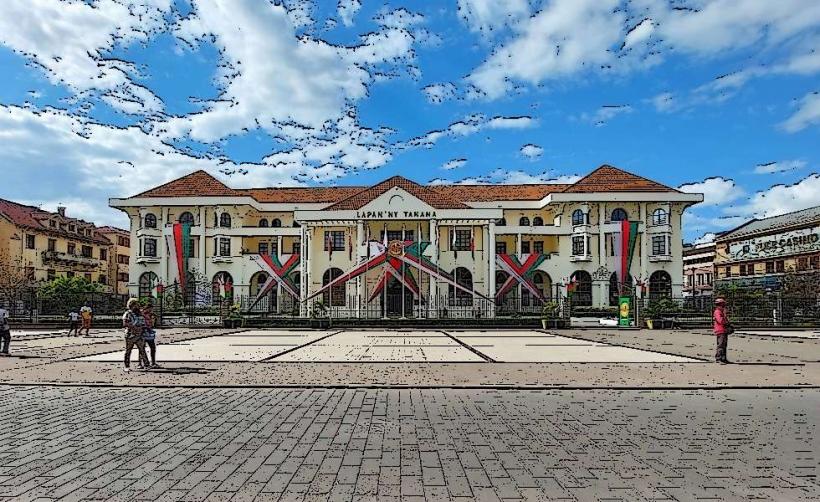
The Soarano Railway Station is a functional railway terminal located in the central district of Antananarivo, Madagascar. It serves as a primary hub for rail transport connecting the capital to the east coast.
Visual Characteristics
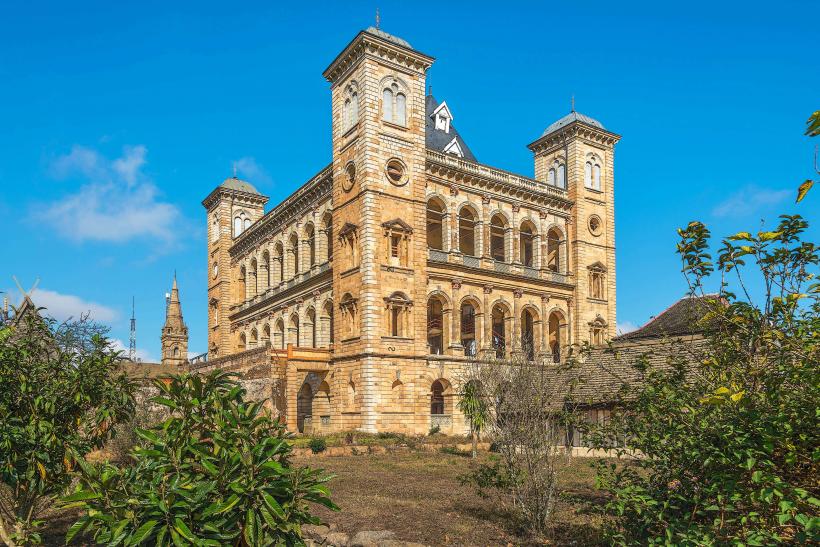
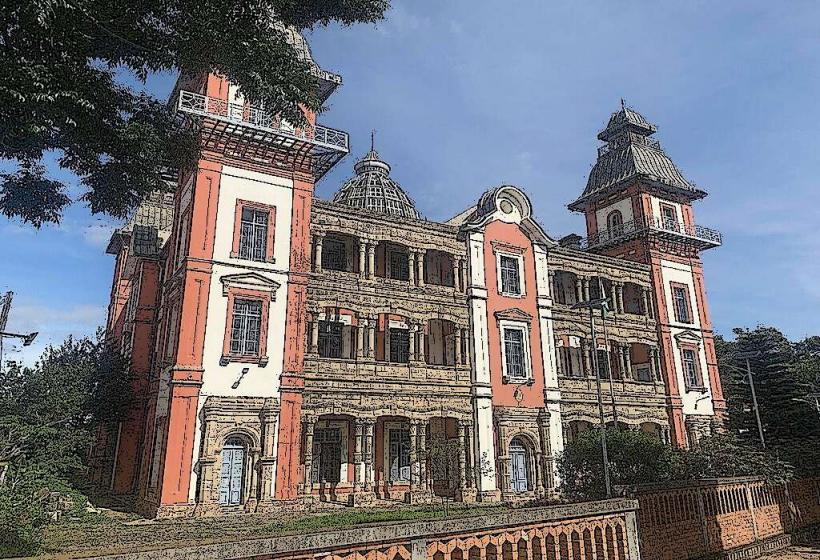
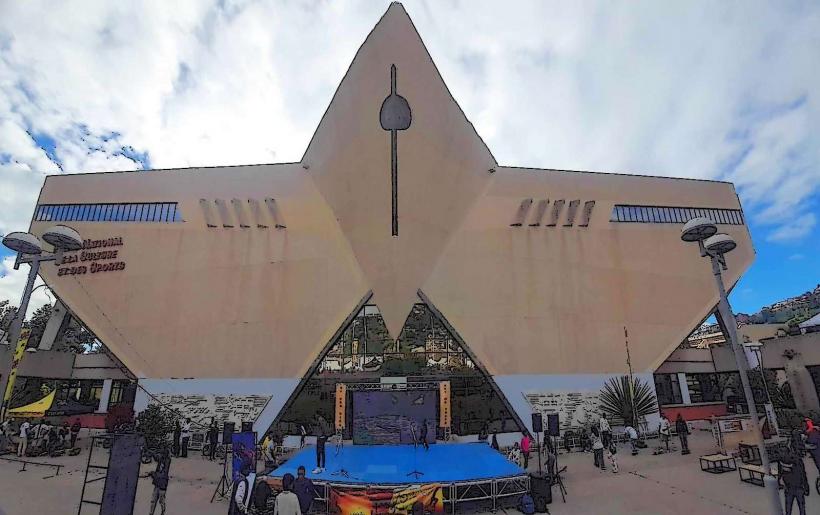
The station building features a symmetrical facade constructed primarily from stone and stucco, painted in a light cream color with darker trim. Its architectural style blends colonial influences with early 20th-century design elements, characterized by arched windows and doorways. A prominent central clock tower rises above the main entrance, topped with a red-tiled pyramidal roof. The roofline of the main building is also red-tiled, contrasting with the lighter walls. The structure is approximately 15 meters in height at its highest point, excluding the clock tower.
Location & Access Logistics
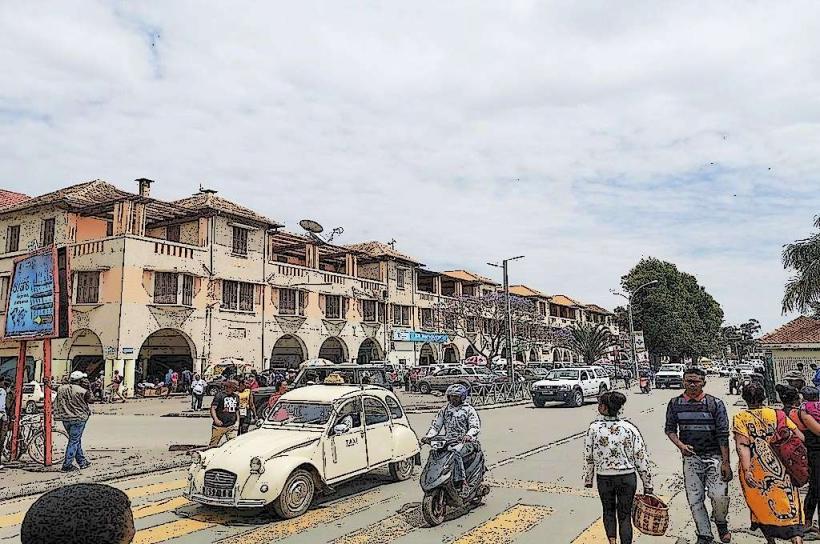
The Soarano Railway Station is situated at the northern end of Avenue de l'Indépendance, approximately 1.5 kilometers north of the city center's Analakely Market. Access is direct via Avenue de l'Indépendance, a major arterial road. Limited street parking is available on adjacent streets, though it can be congested. Public transport options include numerous local taxi-brousse routes that terminate or pass near the station, and standard taxis are readily available throughout the city for direct transfers.
Historical & Ecological Origin
Construction of the Soarano Railway Station commenced in 1908 and was completed in 1910 under French colonial administration. The primary architect is not widely documented, but the design reflects typical colonial railway architecture of the period. Its original purpose was to facilitate the transport of goods, particularly agricultural products and minerals, from the interior to the port of Toamasina, and to provide passenger services between key towns.
Key Highlights & Activities
Visitors can observe the operational railway lines and the arrival/departure of trains, which primarily consist of freight services and occasional passenger trains. The station's main hall features period details and a large departure board. Photography of the exterior architecture is common. The surrounding area is active with local commerce.
Infrastructure & Amenities
Basic restroom facilities are available within the station building. Limited shaded areas are present under the station's porticos and within the main hall. Cell phone signal (4G/5G) is generally strong within the station and its immediate vicinity. Several small food vendors and cafes are located directly outside the station entrance and along Avenue de l'Indépendance.
Best Time to Visit
The station is active throughout the day, with peak activity during morning and late afternoon hours when trains are typically scheduled for arrival or departure. For photography, late morning or early afternoon provides optimal lighting on the main facade. The dry season, from April to October, offers the most comfortable weather conditions for visiting Antananarivo.
Facts & Legends
The Soarano Railway Station is notable for being the terminus of the Tananarive-Côte Est (TCE) railway line, a critical infrastructure project during the French colonial era. A local anecdote suggests that the station's clock tower was once the tallest man-made structure in Antananarivo upon its completion, serving as a prominent navigational landmark for early 20th-century residents. A practical tip for visitors is to confirm train schedules locally, as they can be subject to change.
Nearby Landmarks
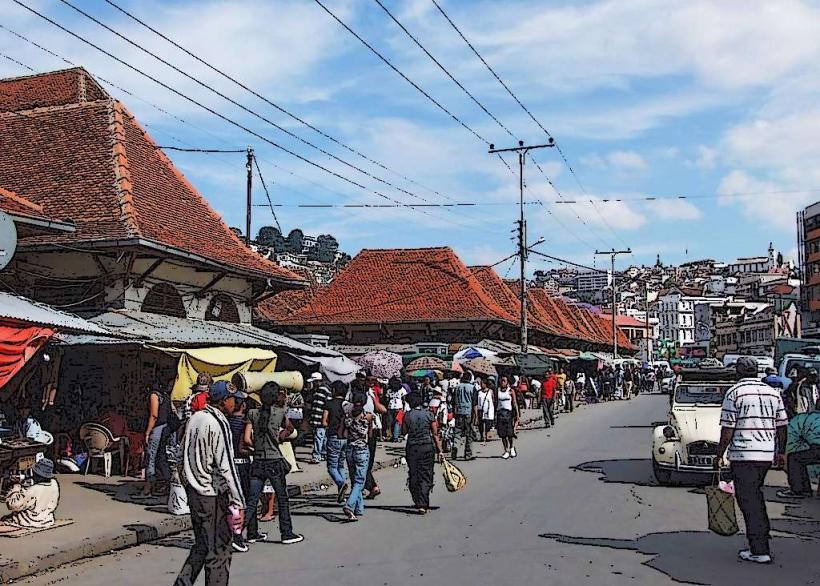
- Analakely Market: 1.5km South
- Avenue de l'Indépendance: 0.1km South (begins directly outside)
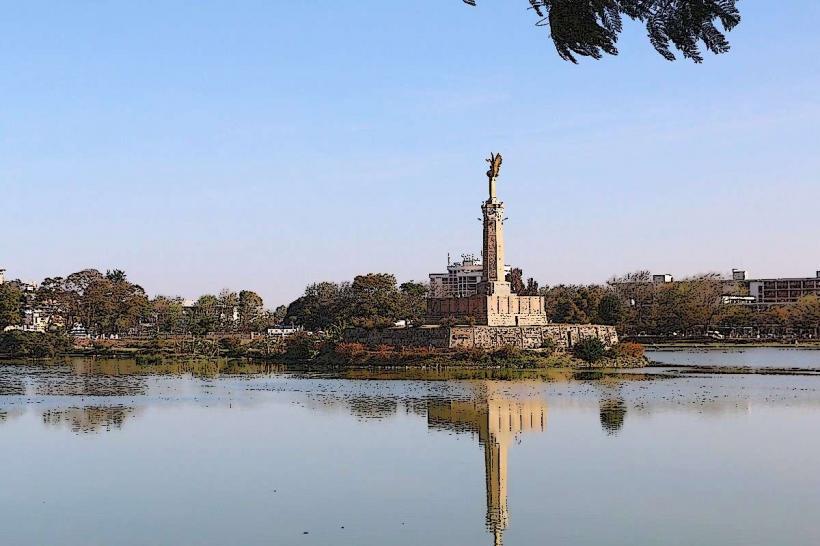
- Lake Anosy: 2.5km Southwest
- Rova of Antananarivo: 3.5km Southeast
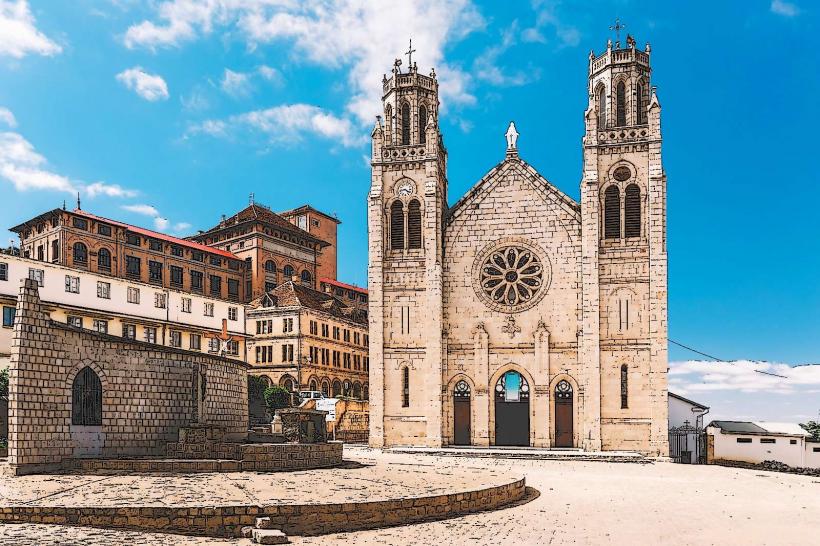
- Andohalo Cathedral: 2.8km Southeast