Information
Landmark: Llorts VillageCity: Ordino
Country: Andorra
Continent: Europe
Llorts Village, Ordino, Andorra, Europe
Llorts Village is a small settlement located in the parish of Ordino, Andorra. It is situated in the Valira del Nord valley, known for its historical connection to iron production.
Visual Characteristics
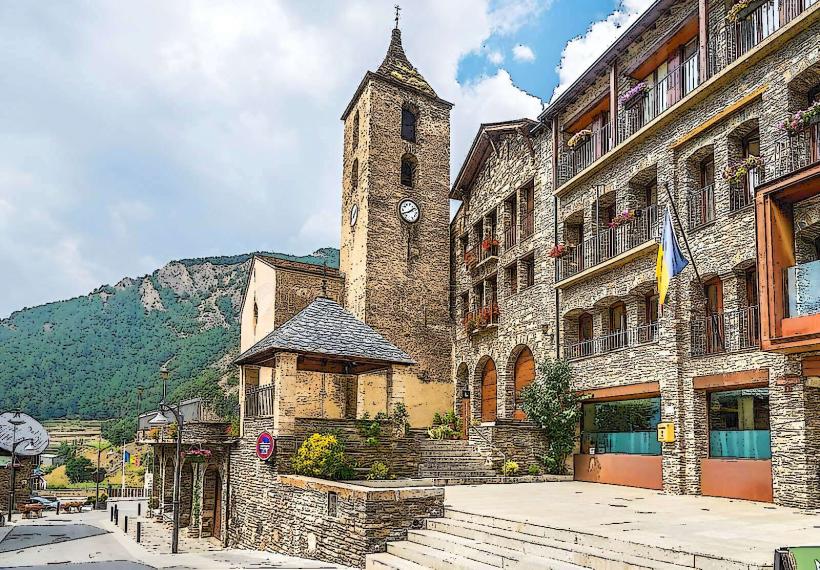
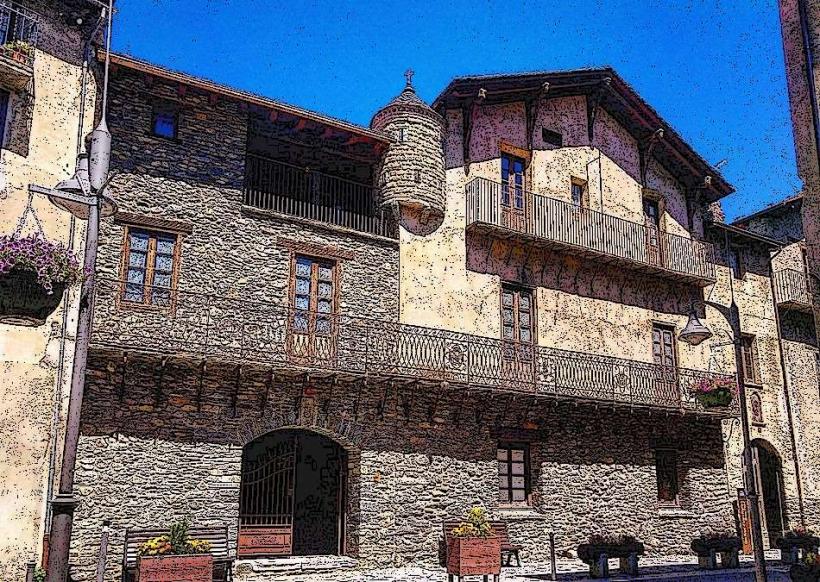
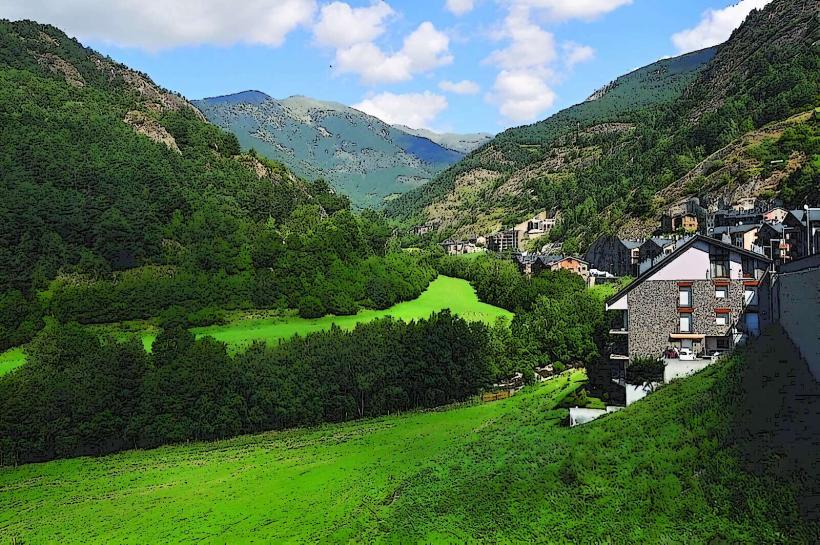
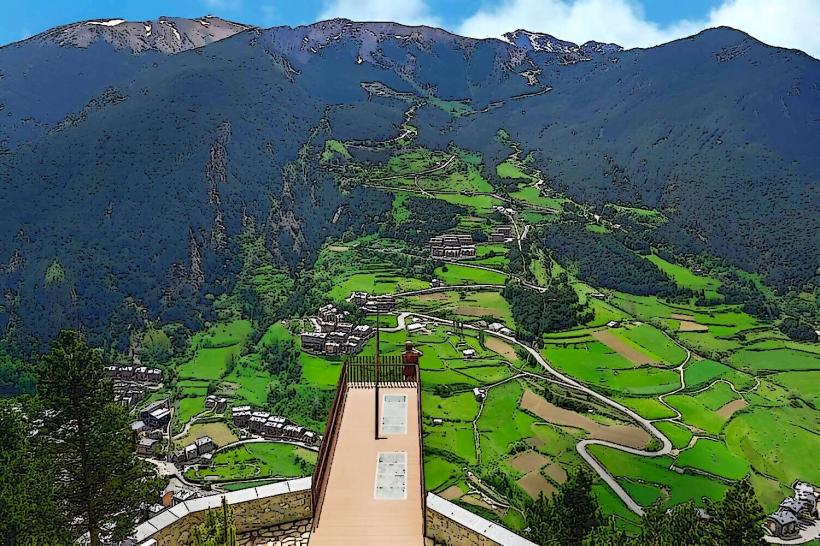
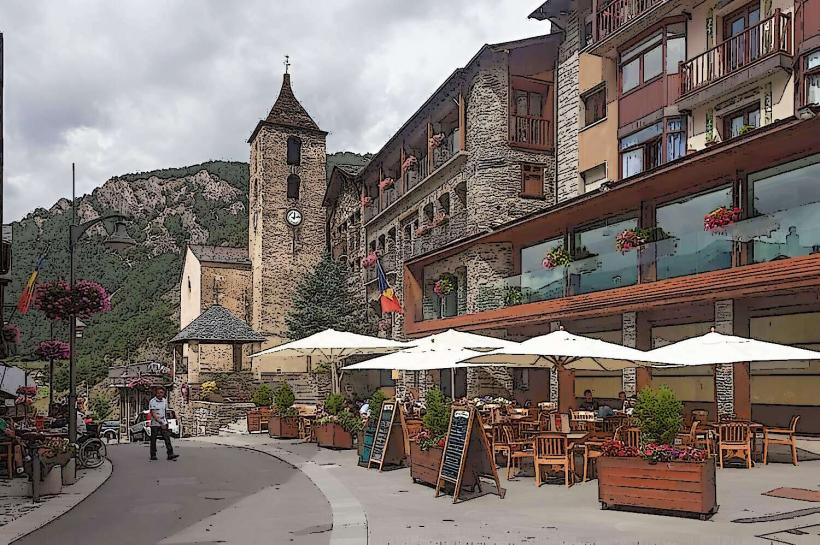
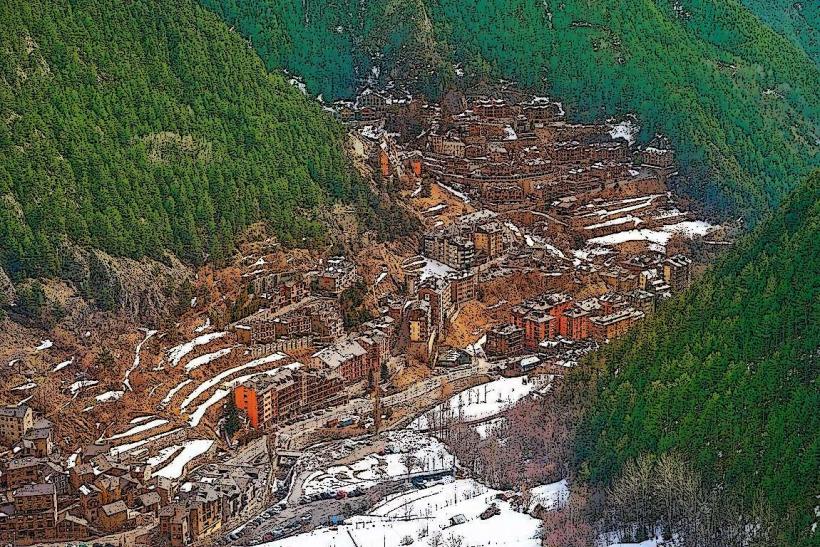
The village features traditional Andorran architecture, primarily constructed from local stone with dark slate roofs. Buildings are typically two to three stories high, often incorporating wooden balconies and window frames. The Riu de Llorts, a tributary of the Valira del Nord river, flows through the village. Surrounding terrain consists of dense coniferous and deciduous forests, with visible rock outcrops on the higher slopes.
Location & Access Logistics
Llorts Village is located approximately 5km North of Ordino town center and 15km North of Andorra la Vella. Access is via the CG-3 main road, which runs directly through the village. Limited free parking is available along the roadside and in a small designated lot at the village entrance. Public transport is available via the L3 bus line (Ordino-Arcalís), with a stop directly in Llorts. The L4 bus line also serves the area, connecting to Ordino.
Historical & Ecological Origin
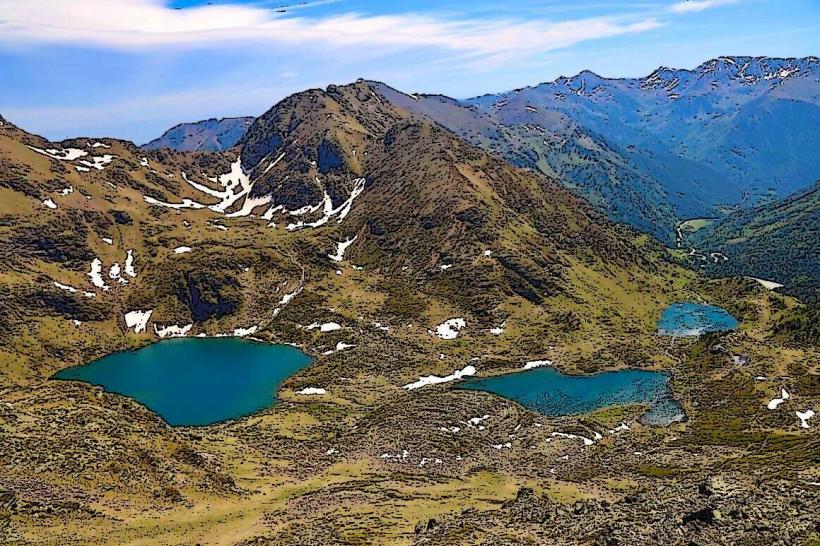
Llorts' historical origin is deeply tied to iron mining and metallurgy. The village developed around the 17th and 18th centuries as a center for iron extraction and processing. The Farga de Llorts (Llorts Forge), constructed in the 19th century, was operational until the early 20th century, processing iron ore from nearby mines. Ecologically, the area is characterized by subalpine and alpine ecosystems, with the river valley supporting riparian vegetation.
Key Highlights & Activities
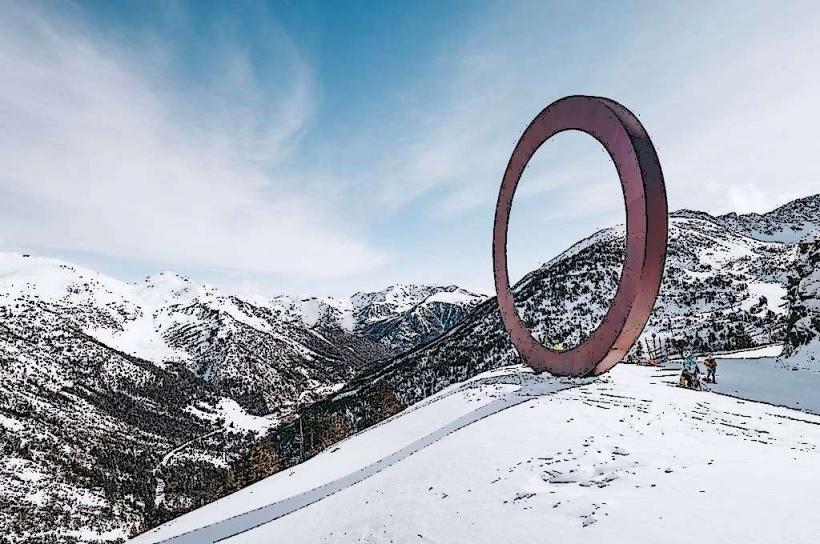
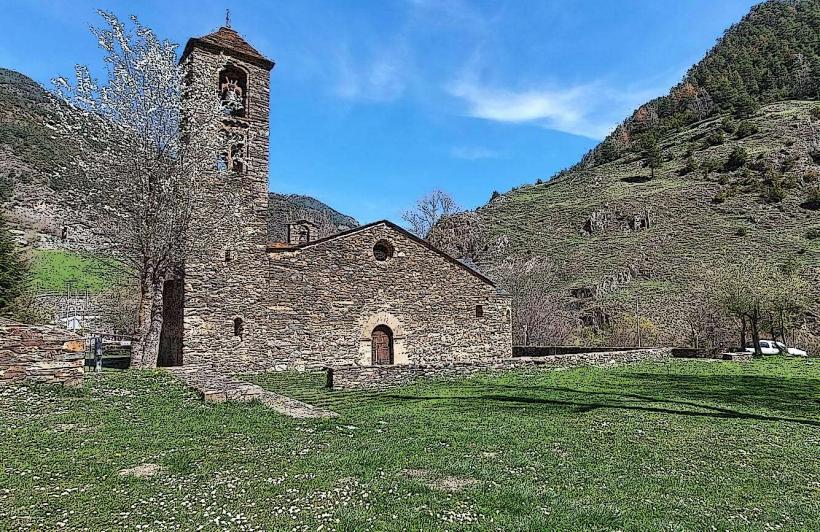
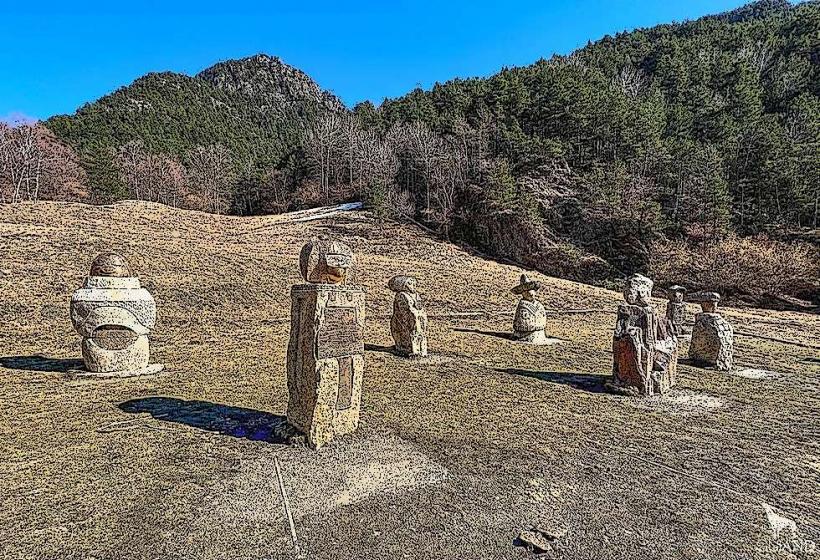
Visitors can walk the Ruta del Ferro (Iron Route), an open-air museum detailing the history of iron in Andorra. The route includes sculptures and information panels. Hiking trails extend from the village into the surrounding mountains, including paths towards the Sorteny Valley Nature Park. The Església de Sant Serni de Llorts, a small Romanesque church, is open for viewing. The restored Farga de Llorts offers insights into traditional ironworking processes.
Infrastructure & Amenities
Public restrooms are available near the village entrance and at the Farga de Llorts. Limited natural shade is provided by trees along the river and within the village. Cell phone signal (4G/5G) is generally reliable throughout the village. One restaurant operates within Llorts, offering food and beverages. There are no dedicated shops or grocery stores in the immediate village.
Best Time to Visit
The best time to visit for hiking and exploring the Iron Route is from late May to early October, when trails are clear of snow and temperatures are mild. For photography, morning light (9:00-11:00) illuminates the village facades, while late afternoon light (16:00-18:00) offers softer tones on the surrounding mountains. The autumn months (September-October) provide vibrant foliage colors.
Facts & Legends
The Ruta del Ferro is part of a larger European Iron Route network, highlighting the shared industrial heritage across the continent. A local legend suggests that the iron ore from Llorts was of such high quality that it was sought after by blacksmiths across the Pyrenees for crafting durable tools and weapons.
Nearby Landmarks
- Ordino Village: 5km South
- Casa d'Areny-Plandolit Museum: 5.2km South
- Sorteny Valley Nature Park (entrance): 3km North-East
- La Cortinada Village (Sant Martí de la Cortinada Church): 2.5km South
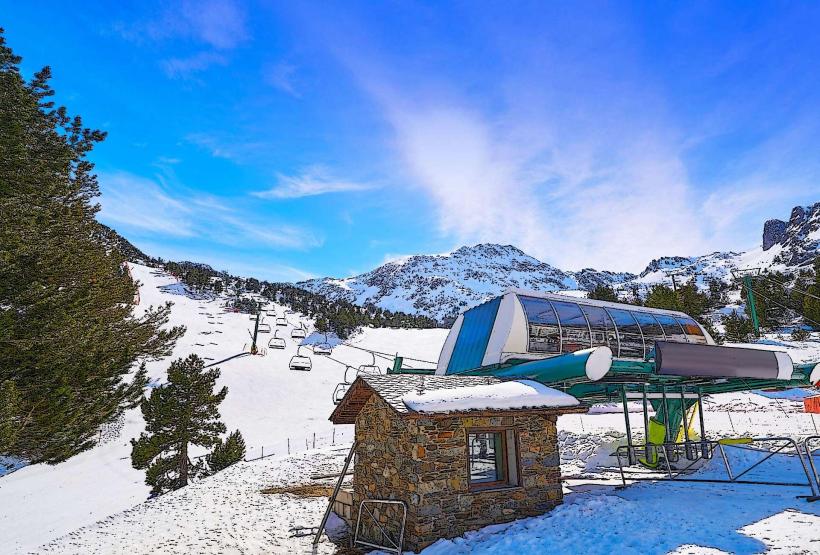
- Arcalís Ski Resort: 10km North