Information
Landmark: Lost Blue HoleCity: Freeport
Country: Bahamas
Continent: North America
Lost Blue Hole, Freeport, Bahamas, North America
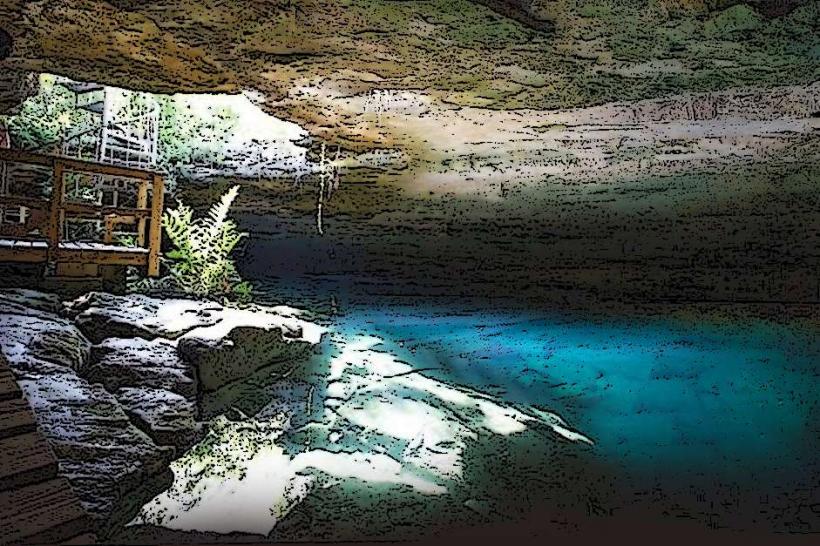
The Lost Blue Hole is a submerged sinkhole located approximately 3.2 kilometers (2 miles) west of Freeport, Grand Bahama Island, Bahamas. It is a significant geological feature within the Lucayan National Park.
Visual Characteristics
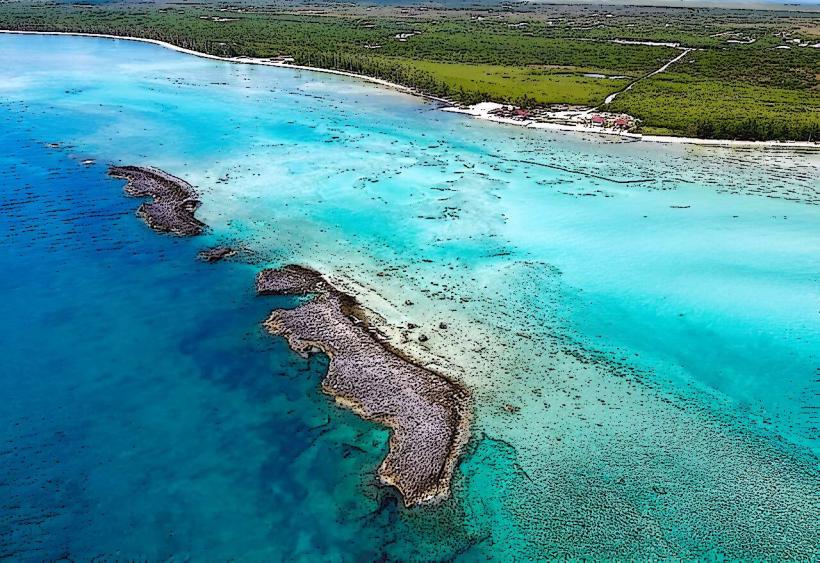
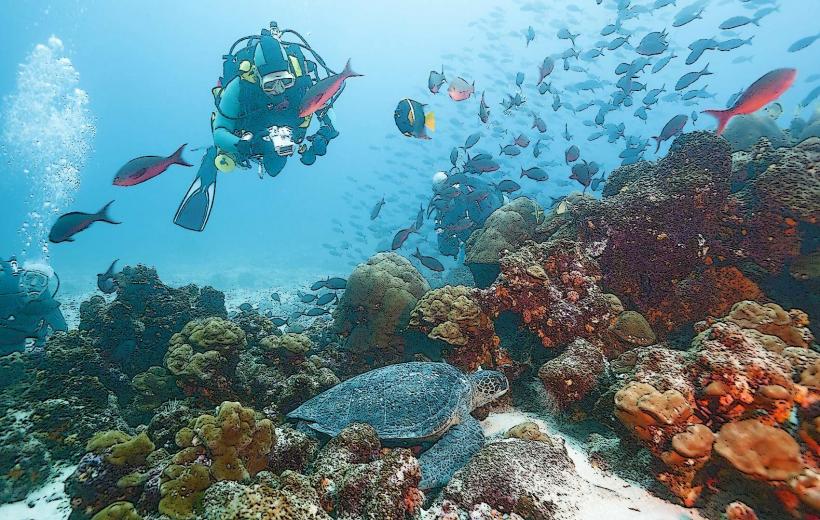
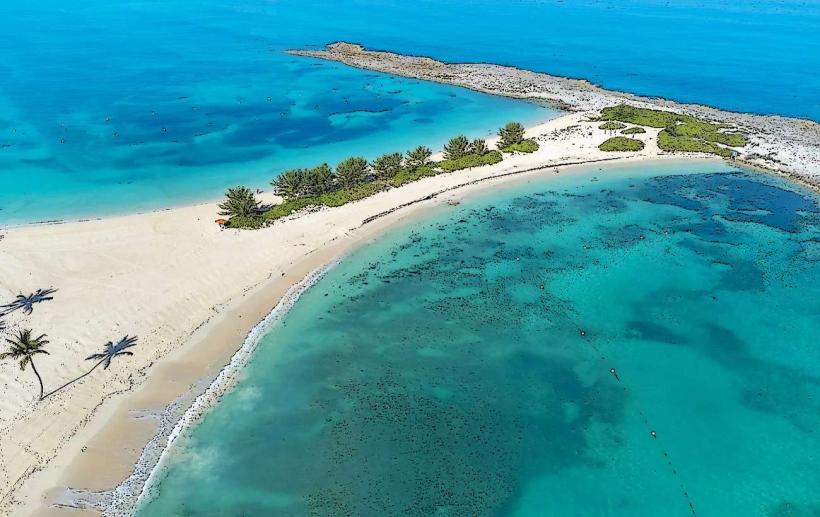
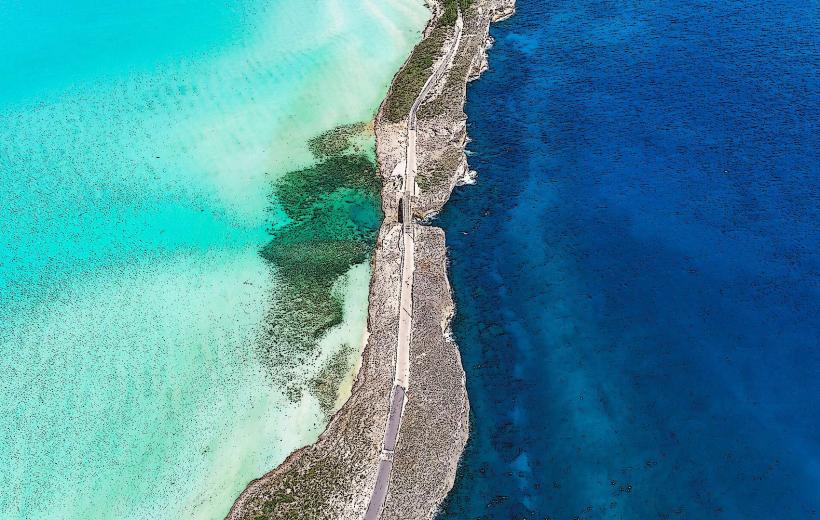
The Blue Hole is a circular depression in the seabed, approximately 30 meters (100 feet) in diameter. Its depth exceeds 60 meters (200 feet). The water within the hole exhibits a distinct deep blue coloration due to the depth and clarity of the water, contrasting with the lighter turquoise of the surrounding shallow reef. The seabed surrounding the hole consists of coral formations and sandy patches.
Location & Access Logistics
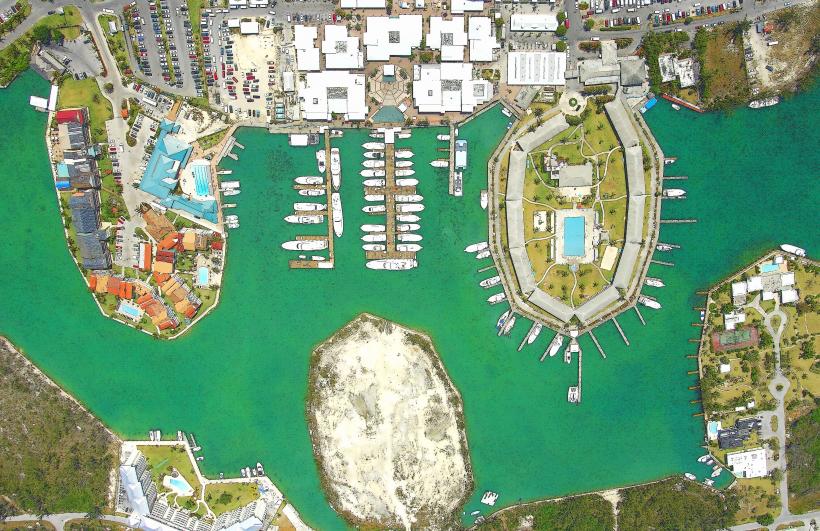
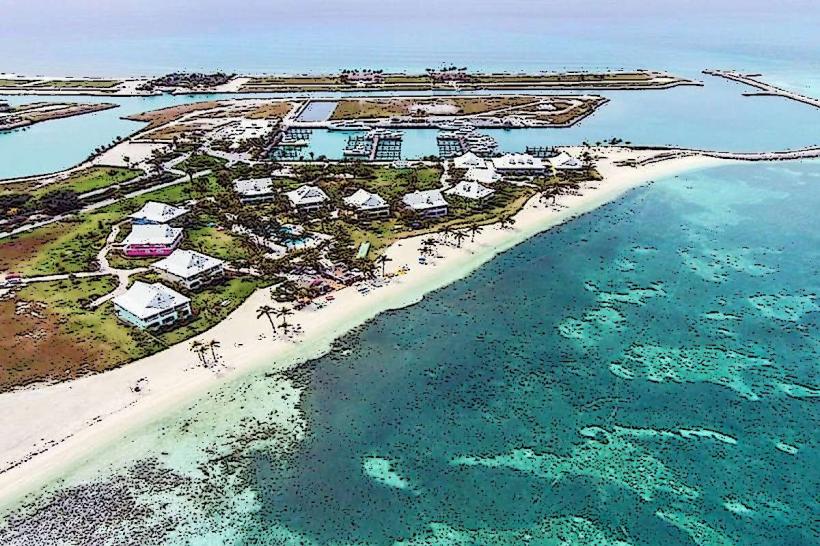
Access to the Lost Blue Hole is primarily via boat. Charter boats and dive operators depart from marinas in Freeport, with a travel time of approximately 15-20 minutes. There is no direct road access. Parking is available at the departure marinas in Freeport. Public transport does not service the immediate vicinity of the Blue Hole.
Historical & Ecological Origin
The Lost Blue Hole is a karst feature, formed by the dissolution of limestone bedrock over geological time. It is part of the extensive underwater cave systems that characterize the Bahamas. Its origin is attributed to the erosion of soluble rock by groundwater, followed by the subsequent flooding of these cavities as sea levels rose.
Key Highlights & Activities
The primary activity at the Lost Blue Hole is scuba diving. Certified divers can explore the vertical walls of the sinkhole and the associated reef structures. Snorkeling is possible in the shallower areas surrounding the hole, though visibility can vary. The site is known for its marine life, including various reef fish and occasional larger pelagic species.
Infrastructure & Amenities
There are no permanent infrastructure or amenities directly at the Lost Blue Hole. Boat tours typically provide access to the site. Restrooms and food vendors are available at the departure marinas in Freeport. Cell phone signal is generally unavailable at the dive site itself.
Best Time to Visit
The best time for diving and snorkeling is during daylight hours. Visibility is typically optimal between 10:00 AM and 3:00 PM. The weather in the Bahamas is generally favorable year-round, but the dry season (December to May) offers the lowest chance of rainfall and calmer seas. There are no tide-specific requirements for visiting the Blue Hole, though currents can be a factor.
Facts & Legends
Local folklore suggests that the Blue Hole is bottomless, a belief stemming from its significant depth and the limited visibility in its deepest sections. Marine biologists have confirmed its depth through sonar and submersible exploration, establishing it as one of the deeper known blue holes in the region.
Nearby Landmarks
- Lucayan National Park (0.5km East)
- Gold Rock Beach (1.2km Southeast)
- Deadman's Reef (2.0km Northeast)
- Taino Beach (4.5km East)