Information
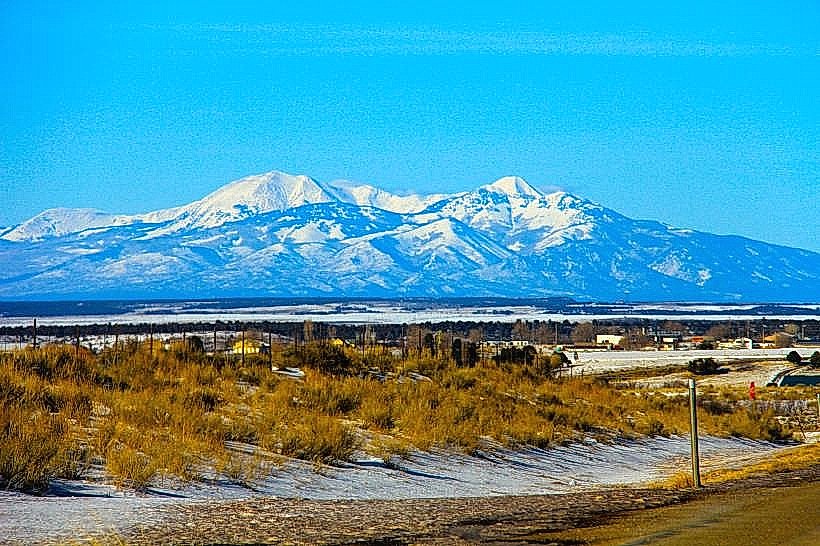
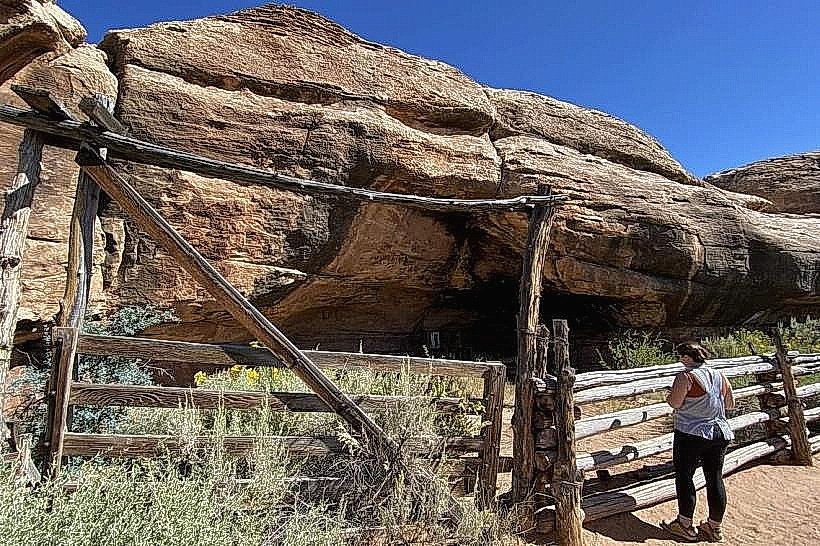
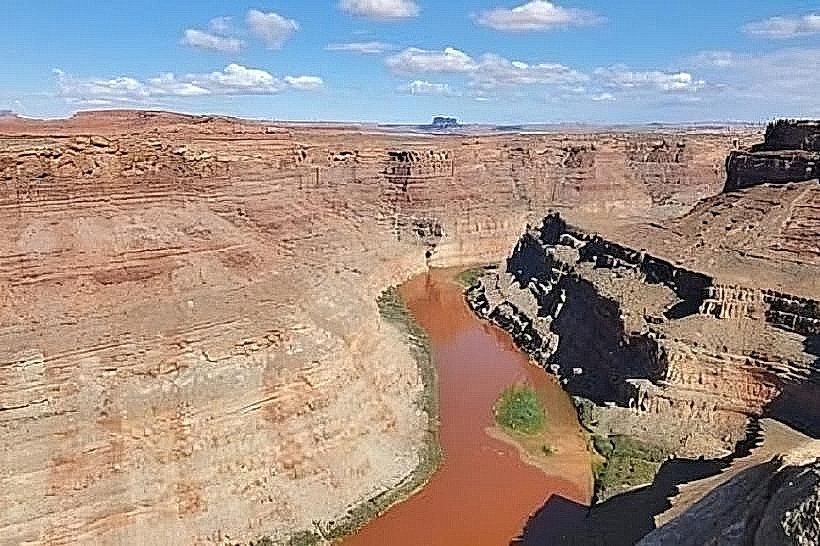
Landmark: Manti-La Sal National ForestCity: Monticello
Country: USA Utah
Continent: North America
Manti-La Sal National Forest, Monticello, USA Utah, North America
East Beach is a barrier beach located in Charlestown, Rhode Island, USA.
Visual Characteristics
East Beach is characterized by its long, narrow strip of sand, approximately 3 miles in length. The sand is fine-grained and light in color. The Atlantic Ocean borders the south side, exhibiting typical ocean wave patterns and water color that varies with weather conditions. The north side is bordered by Ninigret Pond, a salt pond with calmer, shallower water. Dune vegetation, primarily beach grass, is present along the landward side.
Location & Access Logistics
East Beach is situated approximately 3 miles east of the Charlestown village center. Access is primarily via East Beach Road, which runs parallel to the coast. Parking is available at designated lots along East Beach Road, with fees typically in effect during the peak season (Memorial Day to Labor Day). Public transportation options are limited; the nearest bus stops are in Charlestown village, requiring a significant walk or taxi to reach the beach access points.
Historical & Ecological Origin
East Beach is a natural barrier beach formed by the deposition of sand and sediment over millennia, acting as a protective barrier between the Atlantic Ocean and Ninigret Pond. It is part of the coastal geomorphology of southern Rhode Island, shaped by ocean currents and storm events. Ecologically, it supports a specialized dune ecosystem.
Key Highlights & Activities
Activities include sunbathing, swimming in the ocean, and exploring Ninigret Pond. Birdwatching is a common activity due to the presence of various shorebirds and migratory species. Fishing is permitted in designated areas. Access to the western end of the beach is restricted during nesting seasons for piping plovers.
Infrastructure & Amenities
Restrooms are available at the main parking areas. Shade is minimal, primarily provided by natural dune formations. Cell phone signal (4G/5G) is generally available, though it can be intermittent closer to the water's edge. No food vendors are located directly on East Beach; visitors should bring their own provisions or utilize facilities in Charlestown village.
Best Time to Visit
For optimal weather and swimming conditions, the months of July and August are recommended. Early morning or late afternoon provides softer lighting for photography. High tide can reduce the available beach width, particularly on the ocean side.
Facts & Legends
East Beach is a critical nesting ground for the endangered piping plover. Access to certain areas is restricted from March 15 to August 31 to protect nesting sites. A local tip is to explore the calmer waters of Ninigret Pond for kayaking or paddleboarding, offering a different perspective of the barrier beach.
Nearby Landmarks
- Charlestown Breachway (0.8km West)
- Ninigret National Wildlife Refuge (1.5km Northwest)
- Fort Neck (2.2km West)
- Blue Shutters Beach (3.1km East)
- Charlestown Town Beach (3.5km West)