Information
Landmark: Martinsburg RoundhouseCity: Martinsburg
Country: USA West Virginia
Continent: North America
Martinsburg Roundhouse, Martinsburg, USA West Virginia, North America
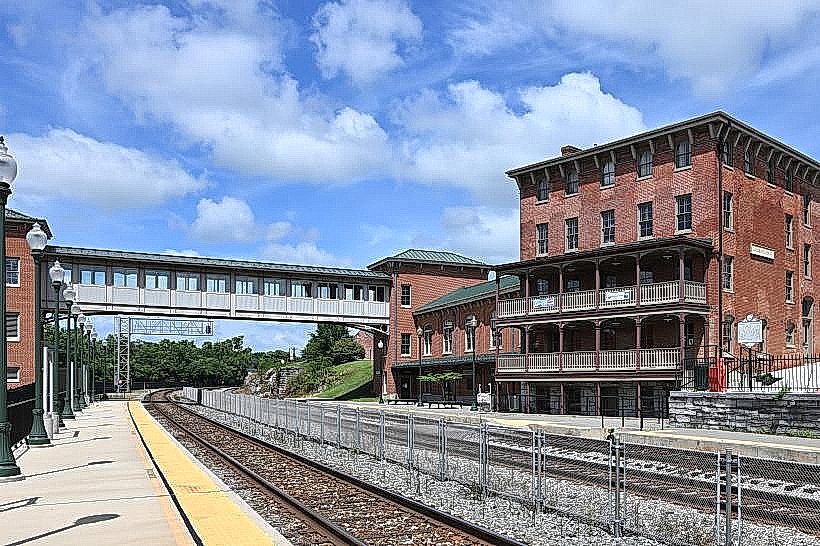
The Martinsburg Roundhouse is a historic railway maintenance facility located in Martinsburg, West Virginia, USA.
It is a significant example of 19th-century industrial architecture and a key site in the history of American railroads.
Visual Characteristics
The structure is a large, semicircular brick building with a timber roof supported by iron trusses. It features numerous arched doorways along its exterior, designed to accommodate locomotives. The brickwork is primarily red, with some areas showing signs of weathering and repair. The interior is an open space designed to house multiple locomotives simultaneously, with a central turntable for moving engines.
Location & Access Logistics
The Martinsburg Roundhouse is situated at 200 East Stephen Street, Martinsburg, WV 25401. It is approximately 1.5 km East of the Martinsburg city center. Access is via East Stephen Street. Limited public parking is available adjacent to the facility. The nearest public transport stop is the Martinsburg Amtrak Station, located approximately 1 km West, with limited bus services connecting to the downtown area.
Historical & Ecological Origin
Construction of the Martinsburg Roundhouse began in 1849 and was completed in 1850 by the Baltimore and Ohio Railroad (B&O). Its original purpose was to house and maintain locomotives for the B&O's expanding network. It played a crucial role in the railroad's operations during the Civil War and subsequent industrial growth.
Key Highlights & Activities
Visitors can observe the architectural design and scale of the roundhouse. Interpretive displays detailing the history of the B&O Railroad and the roundhouse's role are present. Guided tours are sometimes available, focusing on the building's construction and operational history. Photography of the interior and exterior is permitted.
Infrastructure & Amenities
Restrooms are available on-site. Limited shade is provided by the building's structure. Cell phone signal (4G/5G) is generally good within the vicinity. No food vendors are located directly at the roundhouse; options are available in the nearby downtown Martinsburg area.
Best Time to Visit
The best time of day for photography is mid-morning or late afternoon when the sun angle provides better illumination of the brickwork and interior. The best months for visiting are April through October, offering milder weather conditions. No specific tide requirements apply.
Facts & Legends
During the Great Railroad Strike of 1877, the Martinsburg Roundhouse was a focal point of the labor unrest, with striking workers seizing control of the facility. A unique tip for visitors is to look for the original B&O railroad tracks still embedded in the concrete floor, remnants of its active service.
Nearby Landmarks
- C&O Canal National Historical Park (1.2km Southwest)
- Belle Boyd House (1.5km West)
- War Memorial Park (2.0km Northwest)
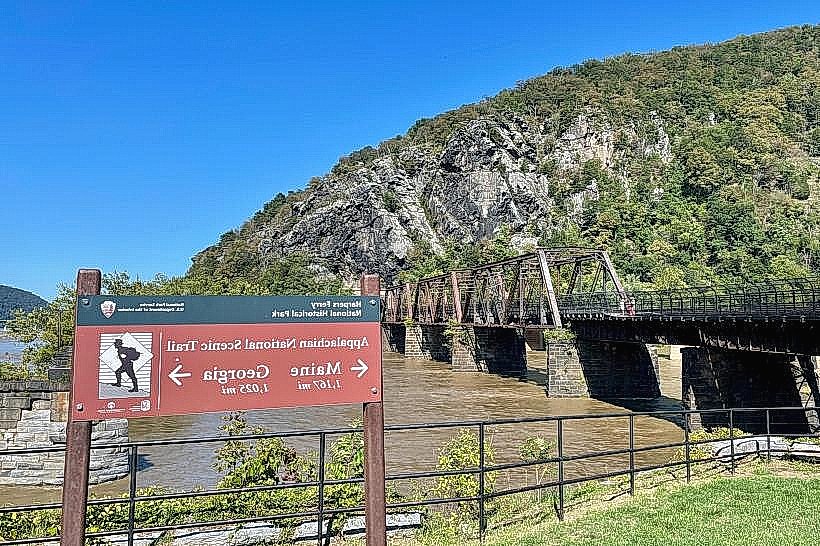
- Harpers Ferry National Historical Park (15km Southeast)