Information
Landmark: Shepherd University CampusCity: Martinsburg
Country: USA West Virginia
Continent: North America
Shepherd University Campus, Martinsburg, USA West Virginia, North America
Shepherd University is an institution of higher education situated in Shepherdstown, West Virginia, within the city of Martinsburg.
Visual Characteristics
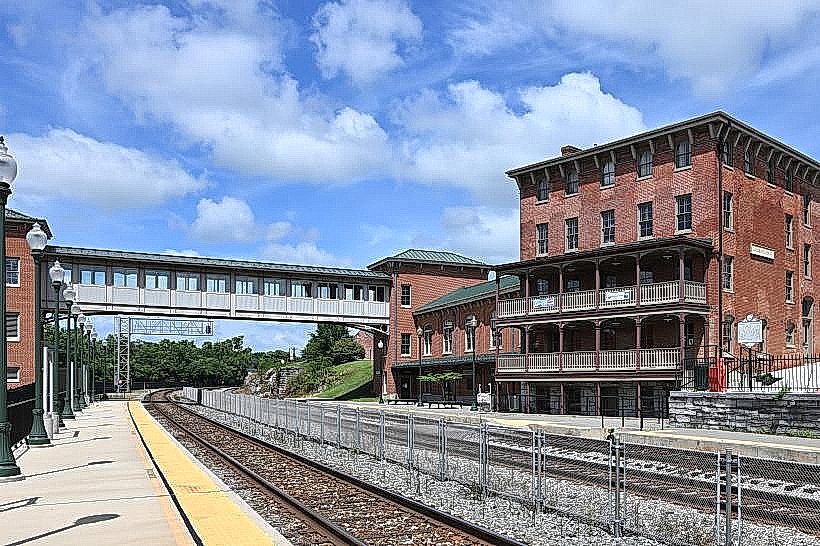
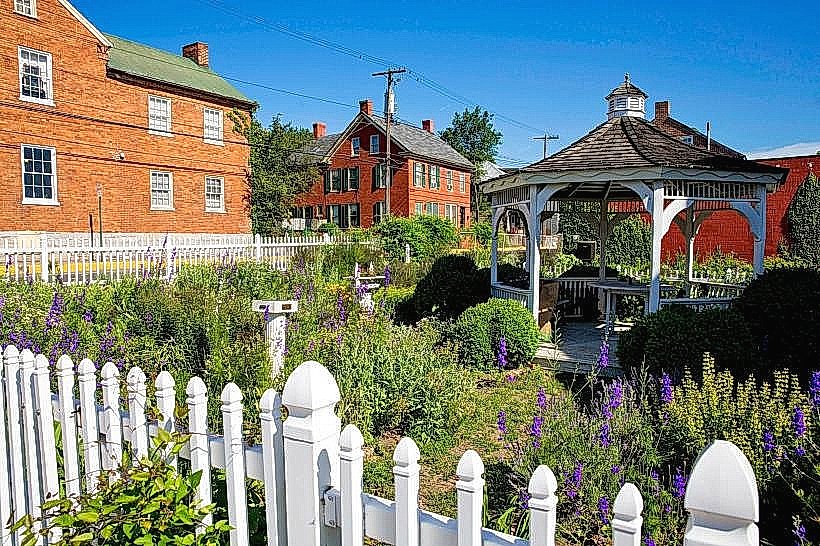
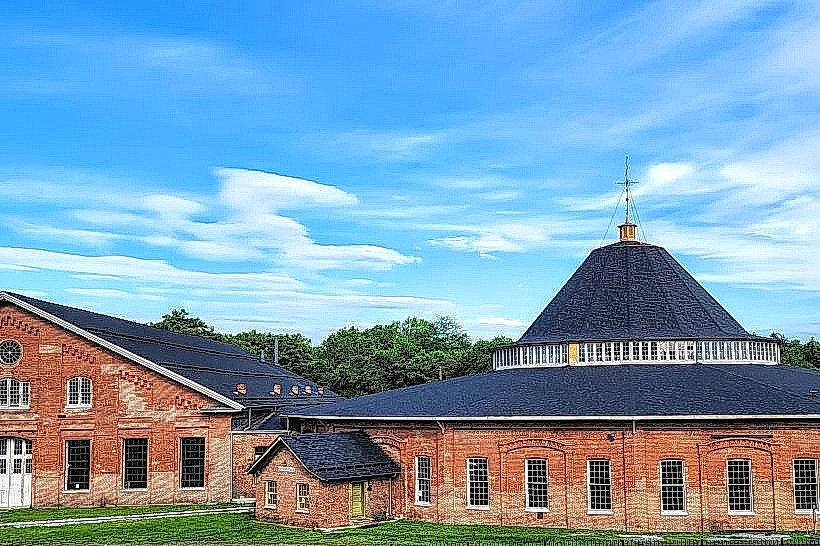
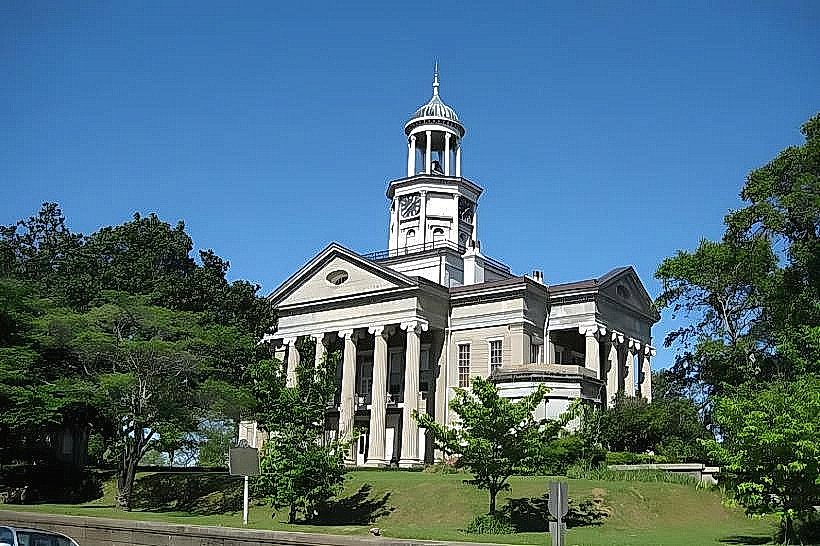
The campus comprises a mix of historic and modern structures. Predominant materials include red brick, stone, and some contemporary concrete and glass. Architectural styles range from late 19th-century Victorian to mid-20th-century institutional and modern academic buildings. The grounds feature mature trees, manicured lawns, and open quad areas.
Location & Access Logistics
Shepherd University is located in Shepherdstown, West Virginia, approximately 10 miles west of Martinsburg. Access is primarily via US Route 340. From Martinsburg, take US-340 South for approximately 10 miles. Campus parking is available in designated lots, with visitor permits often required during weekdays. Public transport options are limited; the nearest major bus service is in Martinsburg.
Historical & Ecological Origin
Founded in 1871 as the Shepherd College State Normal School, its original purpose was to train teachers. The campus has expanded significantly over the decades, incorporating buildings from various eras. The land itself is part of the Shenandoah Valley, characterized by rolling hills and fertile soil, historically agricultural.
Key Highlights & Activities
Visitors can explore the historic architecture of buildings like the oldest academic hall. The university hosts public lectures, art exhibitions in the proper galleries, and athletic events. Walking tours of the campus grounds are self-guided.
Infrastructure & Amenities
Restrooms are available in academic buildings and student centers during operating hours. Shade is provided by mature trees across campus. Cell phone signal (4G/5G) is generally consistent across the main campus areas. Food vendors and dining facilities are primarily for students and staff, with limited public access.
Best Time to Visit
For clear views of campus architecture and grounds, daytime visits are recommended. Spring (April-May) and Fall (September-October) offer moderate temperatures and foliage. Avoid major academic holidays when buildings may have reduced access.
Facts & Legends
A local legend suggests that the ghost of a former student haunts the oldest dormitory building. Historically, the university played a role in the region's educational development following the Civil War.
Nearby Landmarks
- 0.5km East: Potomac River
- 2km West: Historic Shepherdstown town center
- 8km East: C&O Canal National Historical Park (Harpers Ferry section access)
- 10km North: Martinsburg Amtrak Station
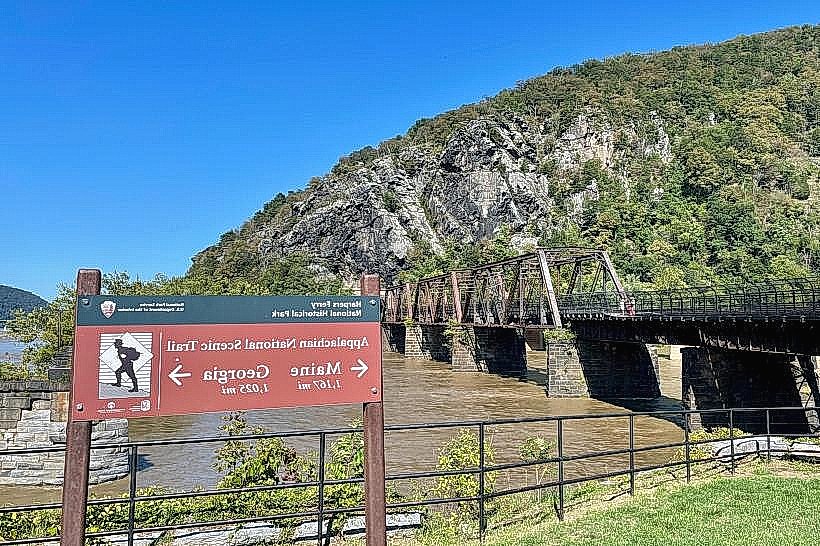
- 12km Southeast: Harpers Ferry National Historical Park