Information
Landmark: Miri River EstuaryCity: Belait
Country: Brunei
Continent: Asia
Miri River Estuary, Belait, Brunei, Asia
The Miri River Estuary is a significant geographical feature located in the Belait district of Brunei. It represents the point where the Miri River meets the South China Sea.
Visual Characteristics
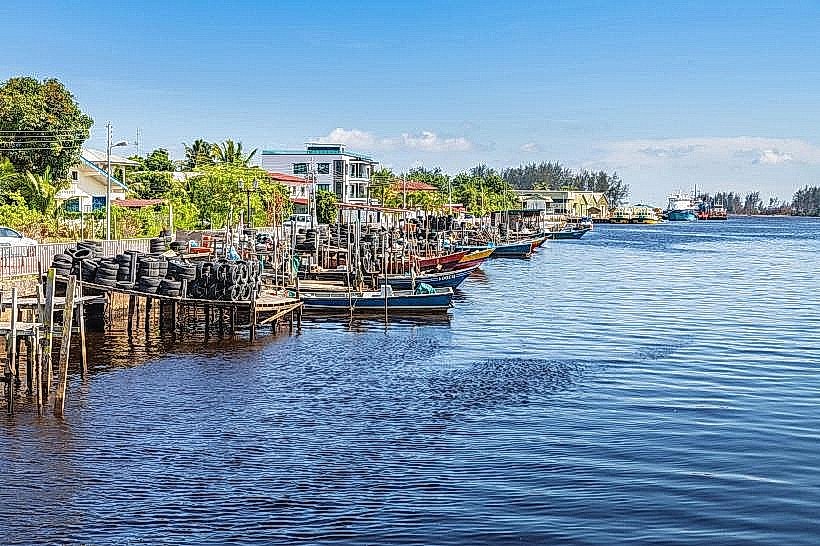
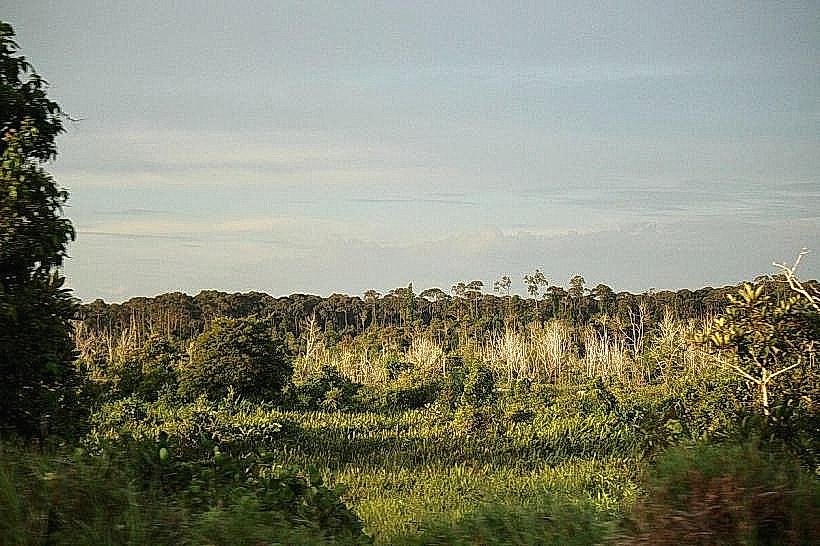
The estuary is characterized by a wide, slow-moving river channel with muddy banks. Vegetation along the banks consists of mangrove forests and scrub. Water color varies from brown to grey depending on sediment load. The surrounding land is generally flat.
Location & Access Logistics
The Miri River Estuary is situated approximately 10 kilometers west of Kuala Belait. Access is primarily via Jalan Sungai Miri, a paved road that runs along the southern bank of the estuary. Parking is available at designated points along this road, particularly near the river mouth. Public transport options are limited; local taxis or private vehicles are the most practical means of access.
Historical & Ecological Origin
The Miri River Estuary is a natural geological formation, classified as a riverine estuary. Its formation is a result of fluvial erosion and subsequent sea-level rise, creating a transition zone between freshwater and saltwater environments. Historically, it has served as a vital waterway for local communities and resource extraction.
Key Highlights & Activities
Boat tours are available for observing mangrove ecosystems and potential wildlife sightings, including proboscis monkeys and various bird species. Fishing is a common activity for local residents. Birdwatching opportunities exist, particularly during migratory seasons.
Infrastructure & Amenities
Basic amenities are scarce directly at the estuary. Some food stalls may operate near access points, especially on weekends. Restrooms are not consistently available. Cell phone signal (4G/5G) is generally present but can be intermittent within denser mangrove areas.
Best Time to Visit
The best time for wildlife observation is typically early morning or late afternoon when animals are most active. The dry season, from March to September, offers more predictable weather conditions. High tide can facilitate boat access further into the mangrove channels.
Facts & Legends
Local folklore suggests that the Miri River was named after a type of fish, though this is unverified. A specific tip for visitors is to look for the distinctive root systems of the mangrove trees, which are adapted to the brackish water environment.
Nearby Landmarks
- Kuala Belait Town Centre (5km East)
- Pekan Seria (12km East)
- Pancasila Beach (8km West)
- Brunei Maritime Museum (15km Southeast)