Information
Landmark: Mississippi State University CampusCity: Starkville
Country: USA Mississippi
Continent: North America
Mississippi State University Campus, Starkville, USA Mississippi, North America
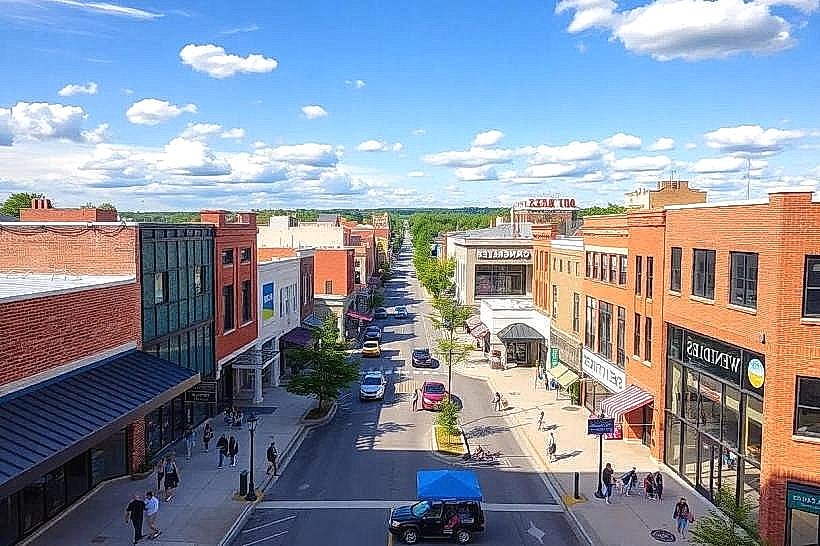
The Mississippi State University (MSU) campus in Starkville, Mississippi, is both an academic hub and a cultural landmark, blending historic architecture, modern facilities, and sprawling green spaces into a vibrant university environment. As one of the largest universities in the state, MSU’s campus is a focal point of education, research, and community life, offering a rich visitor experience that reflects Mississippi’s academic and cultural heritage.
Historical Background
Founded in 1878 as the Agricultural and Mechanical College of the State of Mississippi, MSU originally focused on agriculture, engineering, and practical sciences, reflecting the land-grant mission of providing accessible higher education.
The campus grew steadily through the 20th century, expanding both academically and physically, and was renamed Mississippi State University in 1958 to reflect its broader educational mission.
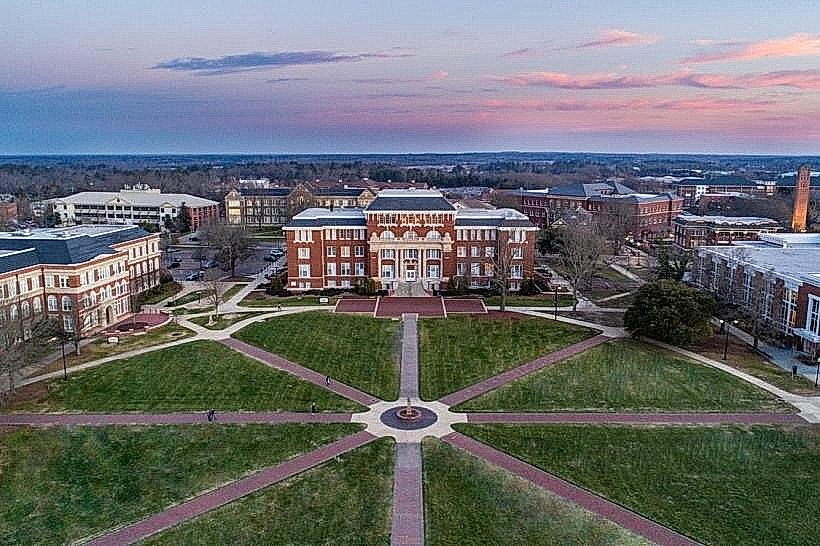
Many historic buildings, such as Lee Hall, Swalm Hall, and the Drill Field-adjacent structures, retain architectural styles from the early 20th century, including Collegiate Gothic and Classical Revival, showcasing the campus’s evolving aesthetic and functional design.
Campus Layout and Key Features
MSU covers over 4,200 acres, with a mix of academic buildings, research facilities, residence halls, and recreational areas.
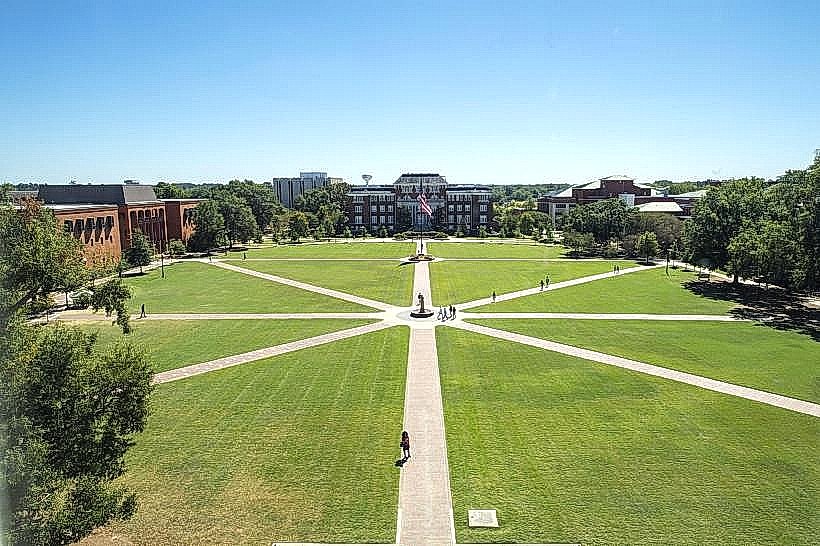
The Drill Field serves as the campus centerpiece, a large, open green space surrounded by historic buildings. It hosts ceremonial events, informal gatherings, and outdoor activities.
Major campus areas include:
Academic Quads: Clusters of buildings dedicated to engineering, agriculture, business, and liberal arts programs.
Research and Innovation Centers: Laboratories and specialized facilities, including the MSU College of Veterinary Medicine, the Bagley College of Engineering, and the Center for Advanced Vehicular Systems.
Student Life and Recreation: The Coliseum, Humphrey Coliseum, and Dan M. Russell Stadium for athletic events; residence halls, dining facilities, and the student union for daily campus life.
Notable Buildings and Landmarks
Lee Hall
One of the oldest academic buildings, originally housing classrooms and administrative offices. Its brick and stone façade exemplifies early 20th-century Collegiate Gothic architecture.
Swalm Hall
Originally an academic building for liberal arts, it now accommodates offices and classrooms, maintaining historic charm.
The Drill Field
Central lawn area used for student activities, ceremonies, and campus events; surrounded by historic and modern buildings for a balanced visual composition.
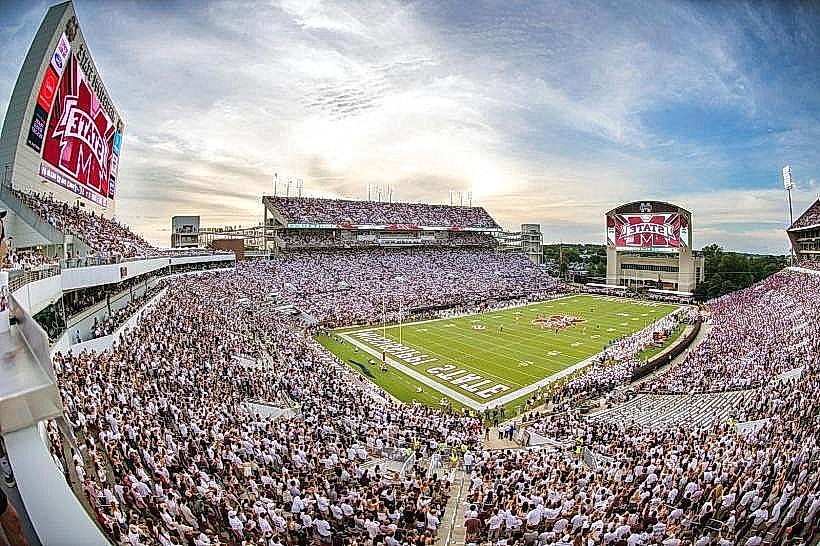
Davis Wade Stadium
The university’s iconic football stadium, seating over 61,000 spectators, serves as a symbol of community pride and collegiate athletics tradition.
Bost Extension Center and Research Facilities
Modern facilities support agricultural, veterinary, and engineering research, integrating the university’s historical land-grant mission with cutting-edge innovation.
Cultural and Community Significance
MSU functions as a cultural and educational hub for Starkville and the state. The campus hosts lectures, art exhibitions, and performances accessible to the public, reflecting a commitment to community engagement.
Historic buildings, alongside modern research and residential facilities, illustrate the university’s blend of tradition and innovation, offering a tangible narrative of Mississippi’s educational development.
The campus also supports a variety of student organizations, cultural events, and sports programs, fostering a sense of community and identity among students and residents.
Visitor Experience
Walking the MSU campus offers a mix of historic architecture, green spaces, and lively student life.
Visitors can explore the Drill Field, take in architectural details of early 20th-century buildings, or attend a sporting event at Davis Wade Stadium.
The campus is also home to museums, galleries, and cultural centers, such as the Mississippi Agricultural and Forestry Museum nearby, providing insights into the university’s broader historical and educational context.
Closing Impression
The Mississippi State University campus is more than an academic setting-it is a living landscape of history, culture, and innovation. From its early land-grant origins to its modern research facilities, the campus embodies Mississippi’s commitment to education, community engagement, and cultural preservation. Visitors experience a dynamic environment where historic charm and modern energy coexist, making MSU a cornerstone of Starkville’s identity and a destination for both learning and exploration.