Information
Landmark: Starkville Historic DistrictCity: Starkville
Country: USA Mississippi
Continent: North America
Starkville Historic District, Starkville, USA Mississippi, North America
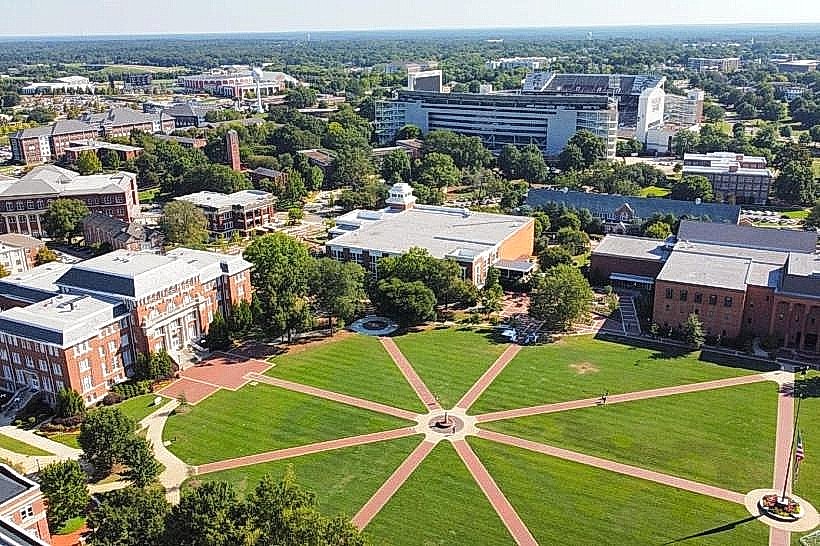
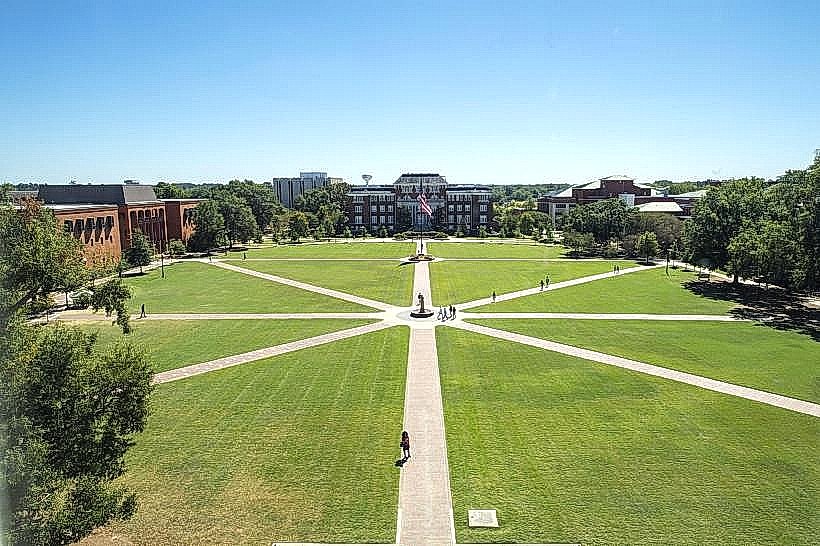
The Starkville Historic District in Starkville, Mississippi, is a vibrant area that reflects the city’s rich history, architectural heritage, and community evolution. It encompasses a variety of buildings, streetscapes, and landmarks that illustrate the development of Starkville from the 19th century to the modern era.
Historical Background
The district was formally recognized and listed on the National Register of Historic Places, highlighting its significance as a well-preserved example of Mississippi small-town development.
Starkville itself was founded in the early 19th century and grew as a regional hub for commerce, agriculture, and education, with the historic district reflecting these economic and social trends.
Buildings in the district date primarily from the late 1800s through the early 20th century, encompassing periods of significant urban growth and architectural innovation.
Architectural Features
The district showcases a variety of architectural styles, including:
Queen Anne and Victorian: Often seen in residential homes with decorative woodwork, turrets, and expansive porches.
Colonial Revival and Classical Revival: Common in public buildings and early civic structures, characterized by symmetrical façades and columned entrances.
Early Commercial and Neoclassical: Representing downtown storefronts, offices, and civic buildings with brick façades, large windows, and detailed cornices.
Streets are lined with historic oak trees, brick sidewalks, and period street lamps, preserving the historic ambiance of the area.
Key Landmarks and Buildings
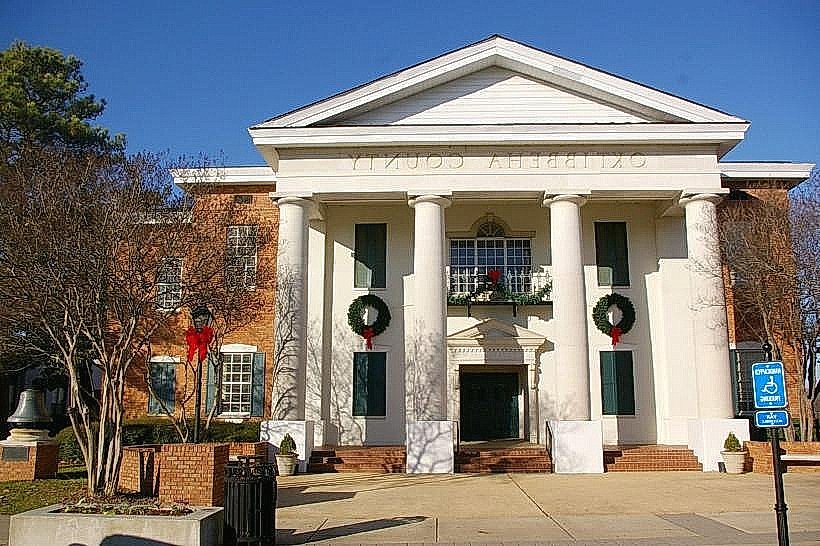
Oktibbeha County Courthouse
A centerpiece of the district, constructed in 1913 in Classical Revival style, symbolizing civic pride and the county’s judicial history.
Downtown Commercial Buildings
A mix of original late 19th- and early 20th-century storefronts that retain period details such as transom windows, decorative brickwork, and recessed entrances.
Historic Residences
Homes along streets like Greensboro Street showcase ornate Victorian designs, wraparound porches, and gabled roofs, reflecting the prosperity of early Starkville residents.
Churches and Civic Buildings
Several churches and community halls in the district reflect both architectural diversity and social history, serving as centers for education, worship, and civic life.
Cultural and Community Significance
The district serves as a living representation of Starkville’s growth, connecting present-day residents and visitors with the city’s historical roots.
It highlights the evolution of commerce, governance, and domestic life, illustrating how small towns in Mississippi developed in response to regional economic and cultural trends.
Preservation efforts ensure that historic buildings are maintained, adapted, and integrated into modern life, fostering heritage tourism and civic pride.
Visitor Experience
Walking or driving through the district offers an immersive view of historic architecture, landscaped streets, and period details.
Visitors can explore shops, cafes, galleries, and cultural venues housed in historic buildings, blending history with contemporary community life.
Photography and heritage tours highlight features such as ornate façades, historic markers, and tree-lined streets, offering insight into both architectural and social history.
Closing Impression
The Starkville Historic District is a testament to the city’s architectural diversity, historical growth, and civic heritage. It provides a window into the past while remaining a vibrant part of contemporary Starkville, combining historic preservation with active community life. For anyone exploring the area, the district captures the essence of small-town Mississippi, where history and modernity coexist in a cohesive and engaging environment.