Information
Landmark: Monastery of Saint Mary of ApolloniaCity: Fier
Country: Albania
Continent: Europe
Monastery of Saint Mary of Apollonia, Fier, Albania, Europe
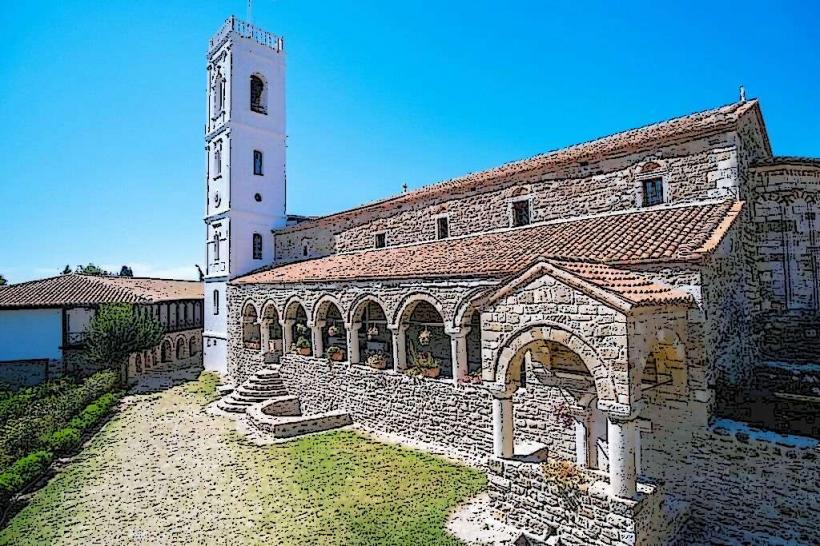
The Monastery of Saint Mary is a 13th-century Byzantine ecclesiastical complex located within the perimeter of the Apollonia Archaeological Park in Pojan, Albania. It is situated on a hill approximately 12 km west of Fier.
Visual Characteristics
The complex is characterized by a central church (katholikon) constructed in a cross-in-square style with a high cylindrical dome and red-tiled roofing. The exterior masonry uses a mixture of brickwork and carved limestone blocks salvaged from the surrounding ancient ruins. The interior features a stone-paved floor, a monumental iconostasis, and wall frescoes. Adjacent to the church is a horseshoe-shaped cloister with arched porticos and the refectory of the former monastery.
Location & Access Logistics
The site is located at the center of the Apollonia hills. Access is via the main paved road from Fier. Visitors must park at the designated lot for the archaeological park and walk approximately 200 meters to the monastery gates. There is a single entrance fee that covers both the ruins and the monastery complex. Taxis from Fier are the most efficient transit method; public minibuses to Pojan village require a subsequent 2-km uphill walk.
Historical & Ecological Origin
The monastery was built during the 13th century, likely under the patronage of the Byzantine Despotate of Epirus. It was intentionally sited atop the ruins of the ancient city to symbolize the transition from paganism to Christianity. The refectory and surrounding buildings were significantly renovated in the 14th century. The complex sits on a sandstone ridge overlooking the Myzeqe plain, an area formerly characterized by coastal wetlands before the diversion of the Vjosa River.
Key Highlights & Activities
The church contains well-preserved frescoes from the 13th and 14th centuries, including depictions of the Byzantine imperial family. The former monks' cells and administrative buildings now house the Museum of Archaeology, which displays statues, sarcophagi, and mosaics found in the Apollonia excavations. The refectory is notable for its acoustic properties and decorative stone carvings.
Infrastructure & Amenities
The site includes a designated museum space with climate control and lighting for artifacts. Restrooms are available within the museum wing. The "Leonrey" restaurant is located immediately outside the monastery walls, offering shaded outdoor seating. 4G cellular signals are stable. The interior courtyard of the monastery provides significant natural shade from mature trees, contrasting with the exposed archaeological ruins nearby.
Best Time to Visit
The monastery follows the operating hours of the archaeological park, typically 09:00 to 18:00. To observe the frescoes with the best natural light, late morning is optimal. The interior remains cool, providing a retreat from the midday heat of the Fier district. It is open year-round, though museum access may be restricted on national holidays.
Facts & Legends
A unique architectural feature is the inclusion of ancient Greek inscriptions and relief carvings embedded directly into the Byzantine church walls-a practice known as spolia. Local tradition holds that the monastery was a major scriptorium for the copying of religious manuscripts in the Middle Ages. The bell tower is a later addition, reflecting the multi-layered history of the site.
Nearby Landmarks
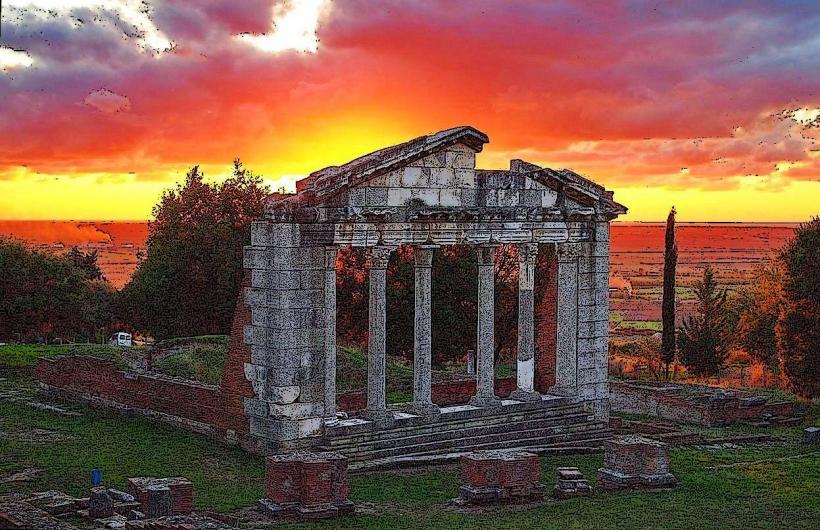
Agonothetes Monument (Bouleuterion) (0.15km East)
Apollonia Theater (0.4km West)
Odeon of Apollonia (0.2km East)
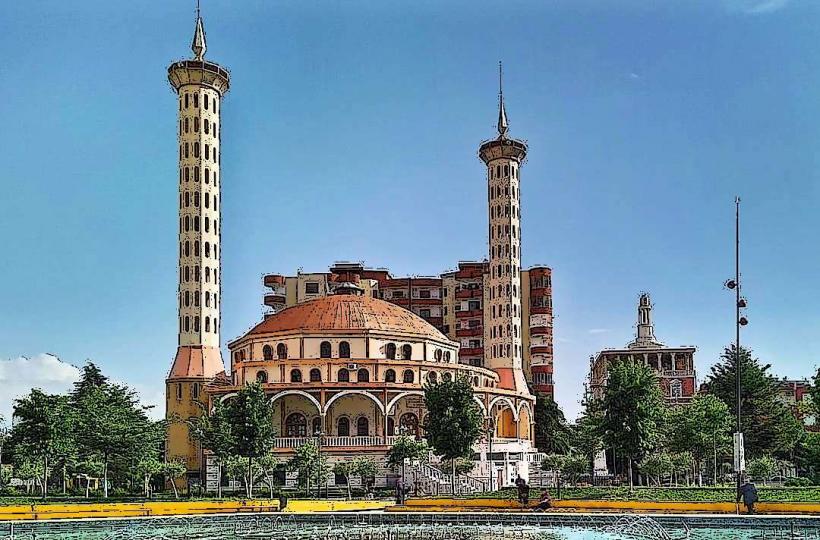
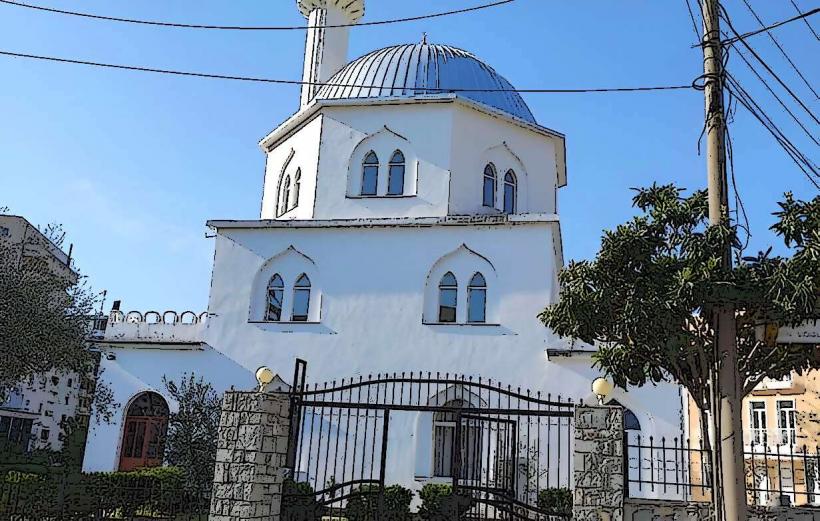
Fier Mosque (12.5km East)
Ardenica Monastery (22.0km North)