Information
Landmark: Monument to the Fallen SoldiersCity: Banja Luka
Country: Bosnia and Herzegovina
Continent: Europe
Monument to the Fallen Soldiers, Banja Luka, Bosnia and Herzegovina, Europe
The Monument to the Fallen Soldiers of the National Liberation War is a massive concrete and stone memorial located atop Banj Brdo hill in Banja Luka, Bosnia and Herzegovina. It serves as a commemorative site for several thousand Partisan fighters from the Bosanska Krajina region who died during World War II.
Visual Characteristics
The structure is 13 meters high and 24 meters long, constructed from white limestone from the island of Brač. It features a distinct asymmetrical, monolithic shape designed by sculptor Antun Augustinčić. The exterior walls are covered in detailed relief carvings depicting scenes of struggle, suffering, and the revolutionary uprising, while the interior houses a memorial hall with remains of frescoes.
Location & Access Logistics
The monument is situated at the summit of Banj Brdo, approximately 5 km south of the Banja Luka city center. Access is restricted to pedestrians and cyclists via the paved Put Banjalučkog Odreda; private motorized vehicles are prohibited beyond the base checkpoint. A panoramic tourist bus ("Banj Bus") operates seasonally from the city to the monument site.
Historical & Ecological Origin
Commissioned by the Yugoslav government, the monument was inaugurated on July 27, 1961, to mark the 20th anniversary of the uprising of the people of Bosnia and Herzegovina. It was built on the site where regional Partisan leaders held a critical assembly in 1941 to plan the resistance against Axis forces.
Key Highlights & Activities
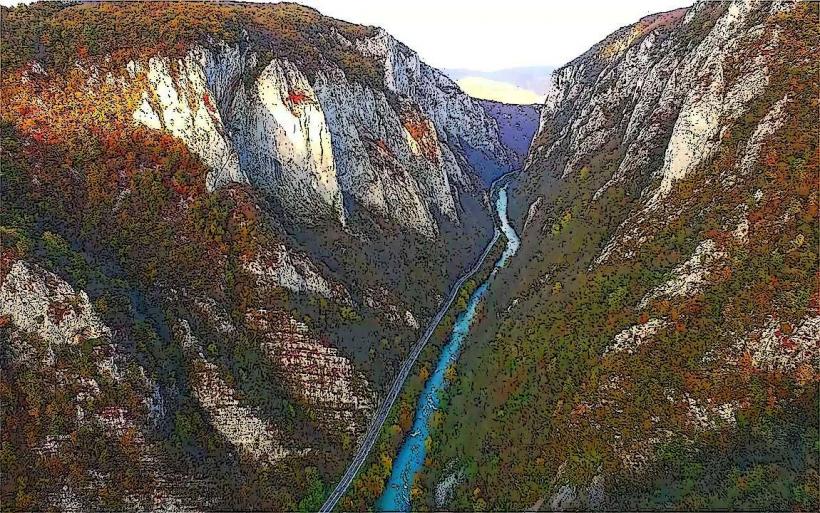
Hiking is the primary activity, with several forested trails of varying difficulty leading to the summit. The site features a 360-degree observation deck providing views of the Banja Luka valley and the Vrbas River Canyon. Guided historical tours occasionally focus on the specific iconography of the stone reliefs.
Infrastructure & Amenities
Public restrooms are available at the nearby "Trešnjik" picnic area, located 500 meters from the monument. There is no indoor shade at the monument itself, but the surrounding park is heavily forested. 4G and 5G cellular signals are consistent. A small cafe/restaurant operates near the summit during the peak summer season.
Best Time to Visit
The best time for photography is at sunset, as the white limestone reflects the light against the city backdrop. Visibility is highest from May to October. During winter, the path may be icy, requiring specialized footwear for the 45-minute uphill walk.
Facts & Legends
The monument's internal frescoes, originally painted by Ismet Mujezinović, have suffered significant degradation due to moisture and neglect, leading to local initiatives for a complete restoration of the interior chamber.
Nearby Landmarks
Trešnjik Picnic Area – 0.5km North
Kamenica Park – 3.2km South
Kastel Fortress – 4.5km North
Vrbas River Canyon – 2.0km East