Information
Landmark: Morne FortuneCity: Castries
Country: Saint Lucia
Continent: North America
Morne Fortune, Castries, Saint Lucia, North America
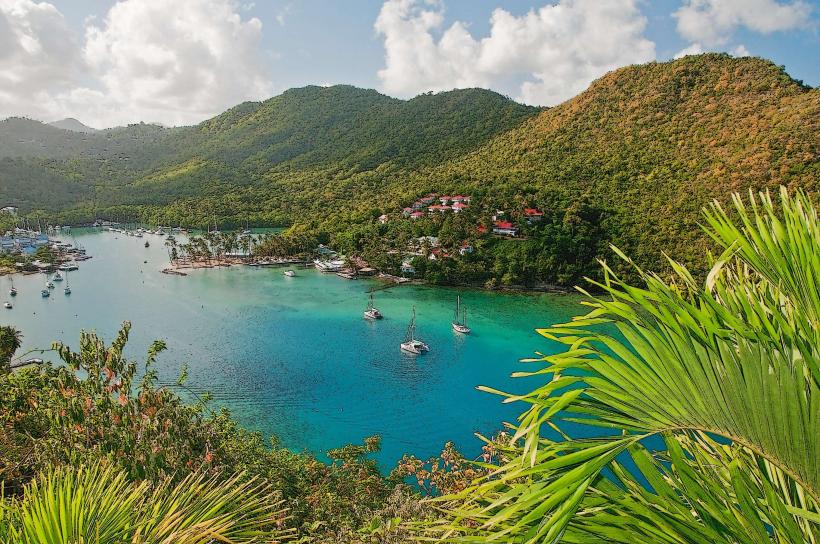
Morne Fortune is a historic hill located in Castries, Saint Lucia. It offers strategic views over the city and harbor.
Visual Characteristics
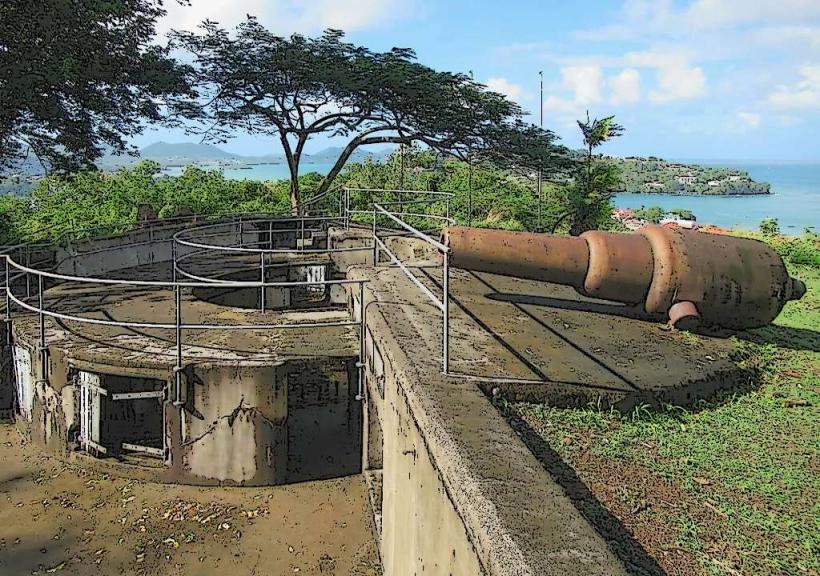
The summit of Morne Fortune is characterized by a series of stone fortifications, including ramparts and bastions constructed from local volcanic rock. The structures exhibit a weathered, grey appearance. The site is situated at an elevation of approximately 850 feet (260 meters) above sea level, providing a commanding vantage point. Vegetation surrounding the fortifications consists of tropical trees and shrubs.
Location & Access Logistics
Morne Fortune is situated approximately 2.5 kilometers (1.5 miles) southeast of Castries city center. Access is via the Morne Fortune Road, which is a paved public highway. Parking is available at designated areas near the summit. Public bus routes serving the Castries to Forestiere or Ciceron areas pass by the base of the hill; passengers would need to walk the remaining distance uphill.
Historical & Ecological Origin
The fortifications on Morne Fortune were primarily constructed by the British military between the late 18th and early 19th centuries. The site was chosen for its strategic defensive position overlooking the harbor. The hill itself is composed of volcanic rock, typical of the island's geological formation.
Key Highlights & Activities
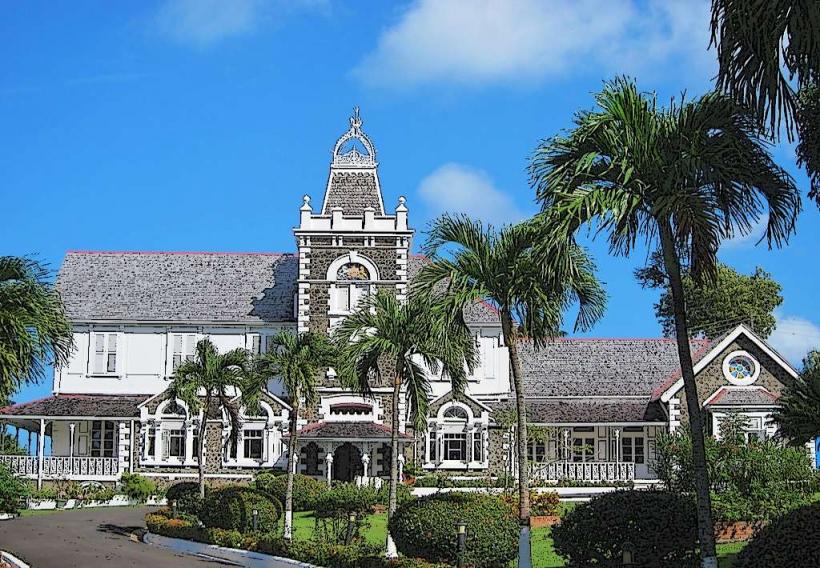
Visitors can explore the remnants of the military fortifications, including Fort Charlotte. Observation decks provide panoramic views of Castries and the surrounding coastline. Walking paths are present throughout the site. The Governor General's residence is also located on Morne Fortune.
Infrastructure & Amenities
Restrooms are available at the summit. Limited shade is provided by existing trees. Cell phone signal (4G/5G) is generally available. No on-site food vendors are present, but facilities are available in Castries city.
Best Time to Visit
For optimal photographic lighting, the late afternoon (approximately 4:00 PM to 5:30 PM) offers favorable conditions with the sun positioned to illuminate the city and harbor. The dry season, from December to May, generally provides clearer skies and more comfortable temperatures.
Facts & Legends
A specific historical detail is that the fortifications were never successfully breached by an opposing force. Local lore sometimes refers to the hill as a place where ancient spirits guard the island's history.
Nearby Landmarks
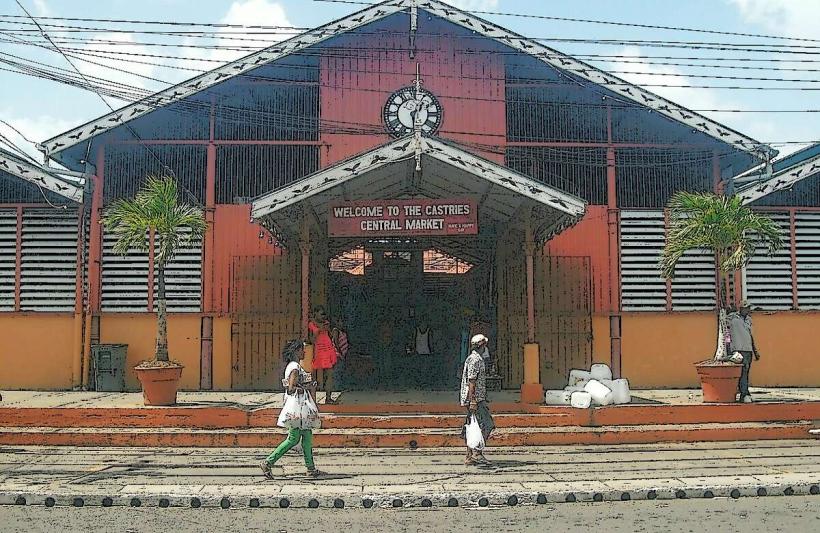
- Castries Market (1.5km Northwest)
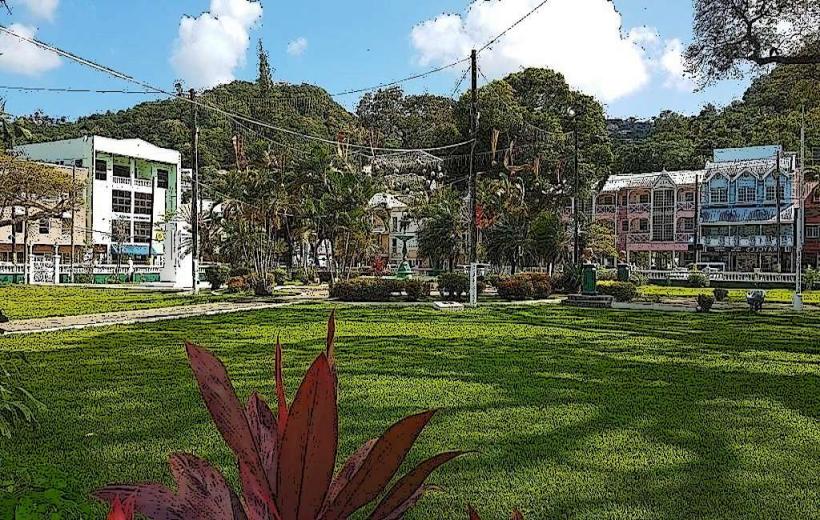
- Derek Walcott Square (1.8km Northwest)
- Pointe Seraphine Cruise Terminal (2.0km Northwest)
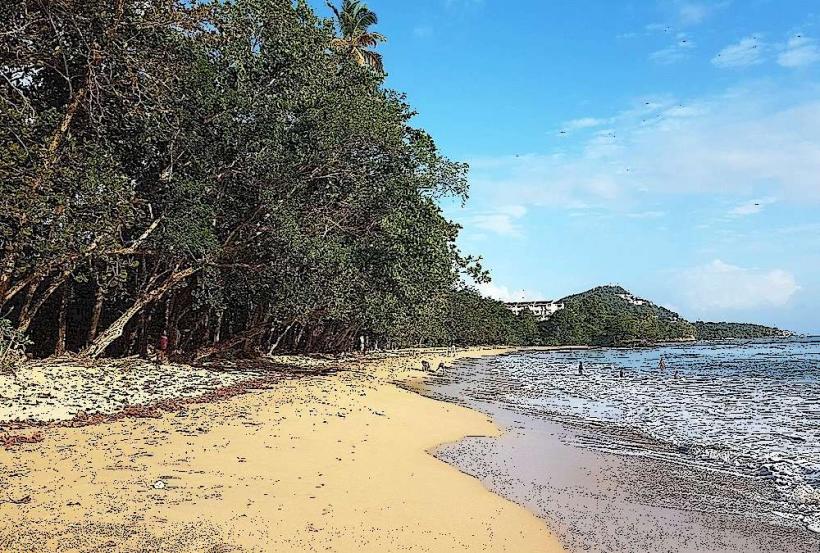
- La Toc Beach (2.5km West)