Information
Landmark: Mount Mitchell State ParkCity: Asheville
Country: USA North Carolina
Continent: North America
Mount Mitchell State Park, Asheville, USA North Carolina, North America
Overview
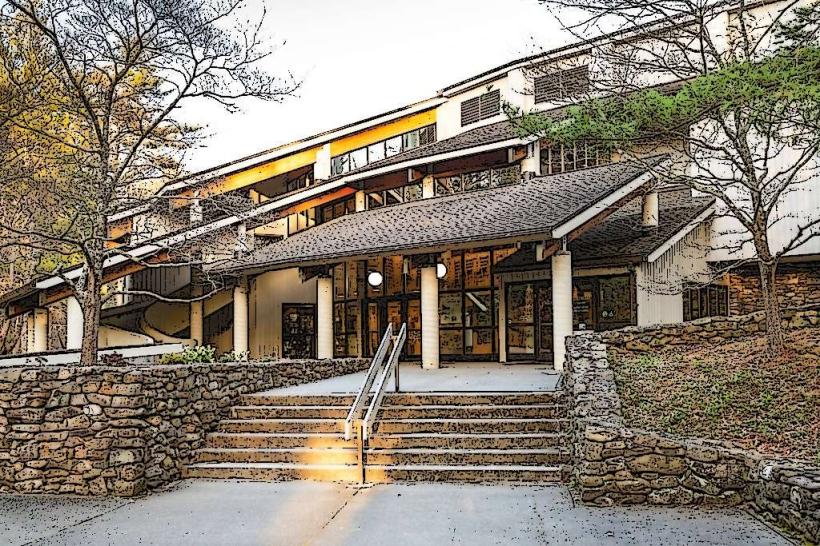
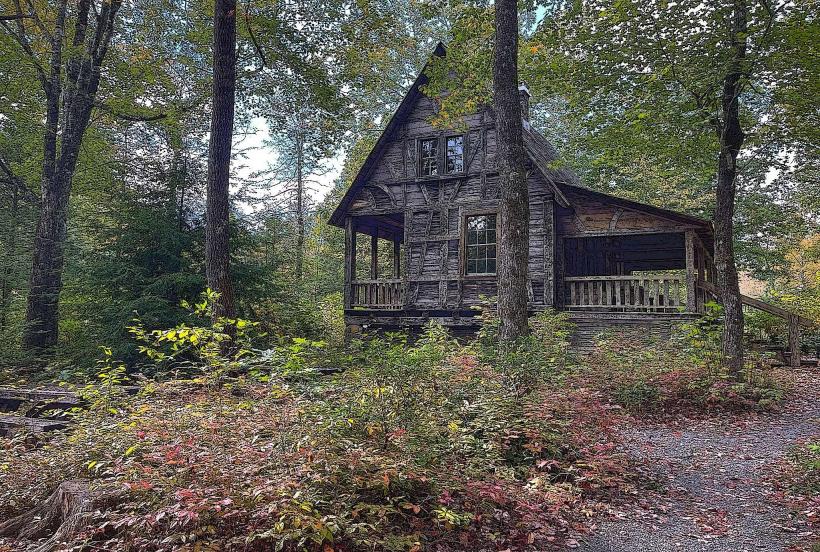
The Cradle of Forestry in America, often called the birthplace of professional forestry in the U, as a result s, holds a deep historical significance-you can still smell the pine along its winding trails.Tucked inside Pisgah National Forest near Brevard, North Carolina, this spot marks where Dr, along with carl A, a German-born forester, founded the Biltmore Forest School-the first forestry school in North America-in 1898, beneath the tall, whispering pines.Schenck’s name hung in the air like a question, to boot in the late 1800s, Dr.Schenck introduced European forestry methods to the United States, leading the way in sustainable forest management as unchecked logging stripped hillsides bare, as well as the school ran until 1909, shaping the first wave of professional foresters-men and women who built the roots of modern forestry and conservation in America, planting seedlings in damp spring soil.The Cradle of Forestry keeps this legacy alive, showing why caring for the woods-and teaching others to do the same-matters as much as the scent of pine on a cool morning, what’s more tucked deep in the Pisgah National Forest-one of the oldest stretches of protected woodland east of the Mississippi-the site rests among towering oaks and the soft rush of mountain streams.Somehow, Towering Appalachian hardwoods and rugged mountain slopes create a rich, wild setting where visitors can trace history while breathing in the scent of damp leaves, along with you can wander along a network of tidy trails that twist through shaded forests, giving you a close-up examine at forestry work and the rich variety of plants and wildlife in the area.At the heart of the Cradle of Forestry sits the Forest Discovery Center, a luminous, modern space where visitors learn about the history, science, and vital role of forestry-right down to the scent of fresh-cut wood in the exhibits, not only that at the center, you can explore interactive exhibits where glowing screens show forest ecosystems, hands-on stations teach conservation methods, and historic forestry tools sit polished under glass.You can test your skills in a firefighting helicopter simulator, then study a lifelike forest model where moss creeps over rocks and animals interact among the trees, equally important the short documentary *First in Forestry: Carl Schenck and the Biltmore Forest School* plays often, drawing visitors into the site’s history and Schenck’s groundbreaking work, with scenes of towering pines and crisp mountain air.Interestingly, Adventure Zone is built for kids and people with autism, with sensory-friendly outdoor activities-think soft grass underfoot and gentle sounds-that spark curiosity, inspire learning, and make exploring feel protected and welcoming, after that the center offers a cozy café where visitors can grab a sweltering coffee, and a gift shop stocked with forestry books, handmade crafts, and keepsakes.At the Cradle of Forestry, you can wander several trails that draw you into the forest’s history and beauty, like the Forest Festival Trail-a smooth 1.3‑mile path dotted with exhibits that bring early forestry work to life, on top of that you can catch a portable sawmill in action and step up close to a 1914 Climax logging locomotive, its iron wheels once clattering through the forests to haul timber across the region.The one‑mile Biltmore Campus Trail loops past seven original Biltmore Forest School buildings, from weathered lecture halls to snug wooden cabins, after that interpretive signs share the stories of how these places once worked, inviting visitors to imagine the bustle of student life-the scrape of chairs, the murmur of lessons-in the aged school.The Forest Discovery Trail runs 1.3 miles and offers a moderate hike through Pisgah National Forest, where you might spot glowing wildflowers and hear the chatter of squirrels overhead, after that as they make their way along the trail, visitors pick up insights into forest ecology and local conservation work from compact weathered signs tucked beside the path.The Cradle of Forestry isn’t just a historic landmark-it’s a lively hub for learning, offering year-round programs and seasonal events like the Blue Ghost Firefly Tours in May and June, where you can wander the dim forest and watch rare blue lights drift through the trees, besides national Get Outdoors Day, held each June, invites families to step outside, explore nature, and join in hands-on activities like planting flowers or hiking local trails-all while sparking awareness about protecting the environment.Smokey Bear’s Birthday Party on August 9 brings neighbors together to celebrate the beloved fire prevention mascot with hands-on games, colorful banners, and lively talks on how to stay reliable from wildfires, while national Public Lands Day in September draws volunteers and visitors who plant trees, clear trails, and join hands-on workshops that share the scent of fresh earth and the thrill of learning outdoors.Forest Festival Day & Woodsmen’s Meet in October brings the scent of fresh-cut pine to the air, with loggers showing off their skills, forestry contests in full swing, blacksmiths at the forge, and local crafters selling their work-all celebrating the rich heritage of Appalachian forestry, as well as you can find visitor information at 11250 Pisgah Highway in Pisgah Forest, North Carolina, 28768-inspect for the ancient wooden sign by the roadside.We’re open every day from 10 a.m, in conjunction with to 5 p.m, starting in early April and running through mid-November, when the air’s warm and the crowds are at their peak.Adults 13 and up pay $10, kids ages 4–12 pay $5, and federal pass holders also pay $5; season pass holders stroll in free, simultaneously the grounds offer smooth, well-kept paths for wheelchairs and strollers, plus easy-access restrooms and parking, generally Call (828) 877-3130 to learn about upcoming events, book a group tour, or explore educational programs-like a hands-on nature workshop, likewise tucked inside Pisgah National Forest, the Cradle of Forestry sits within easy reach of scenic trails and landmarks-like Looking Glass Rock, a towering slab of granite that lures hikers and climbers with sweeping Blue Ridge Mountain views and the scent of pine in the air.Sliding Rock is a smooth, sloping slab in a mountain stream where icy water rushes over the surface, drawing visitors eager for a splash and a thrill, to boot looking Glass Falls sits right off the forest road, an easy stop where you can hear the rush of water and snap a few photos before heading on your way.Pink Beds is a quiet, marshy stretch with wooden boardwalks where you can linger to watch herons glide over the water and listen to the wind sift through the reeds, what’s more the Cradle of Forestry in America is a one-of-a-kind, history-steeped setting that celebrates where sustainable forestry first took root in the United States, among the quiet scent of pine, partially Oddly enough, Educational exhibits, restored historic buildings, winding trails you can stroll, and the quiet beauty of the forest all come together to immerse visitors in the story of conservation-past, present, and future, what’s more the site helps visitors truly appreciate the Appalachian forest, from the scent of pine after rain to the way forestry safeguards natural resources and keeps local communities thriving.If you care about environmental history, love learning outdoors, or want a taste of Appalachian culture, this site belongs on your list-a winding trail might lead you past weathered cabins and the scent of pine.
Author: Tourist Landmarks
Date: 2025-10-03