Information
Landmark: Mount PahiaCity: Moorea
Country: French Polynesia
Continent: Australia
Mount Pahia, Moorea, French Polynesia, Australia
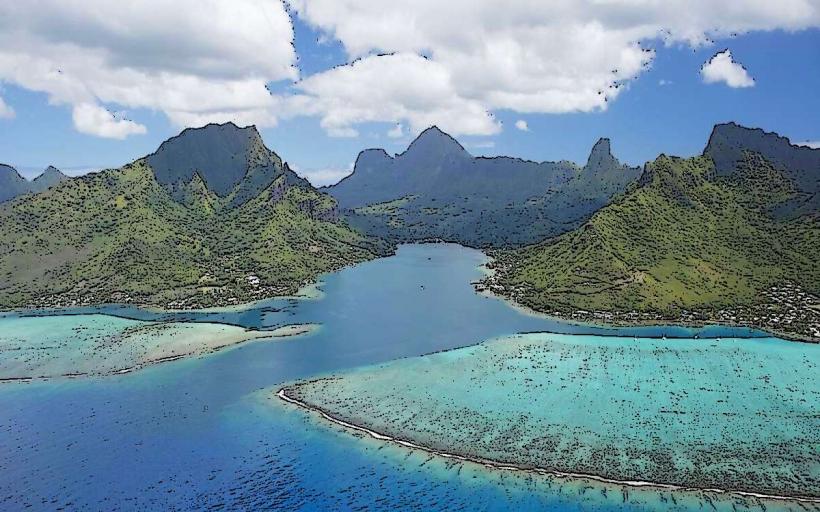
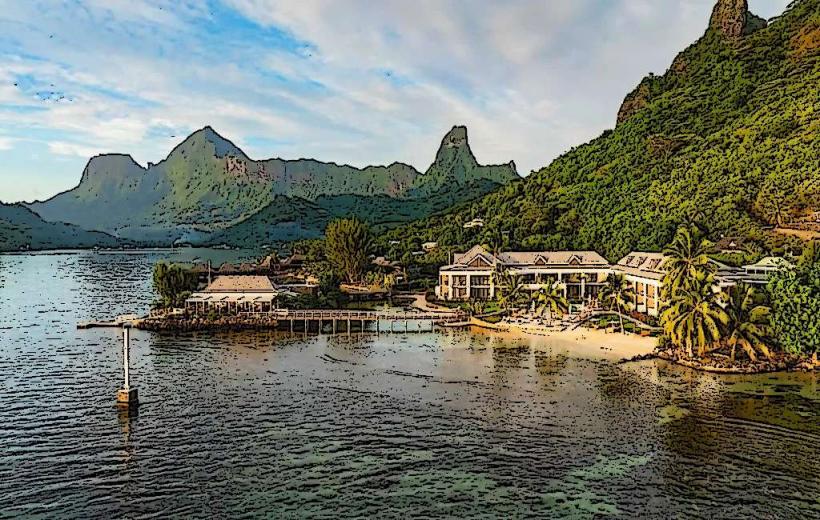
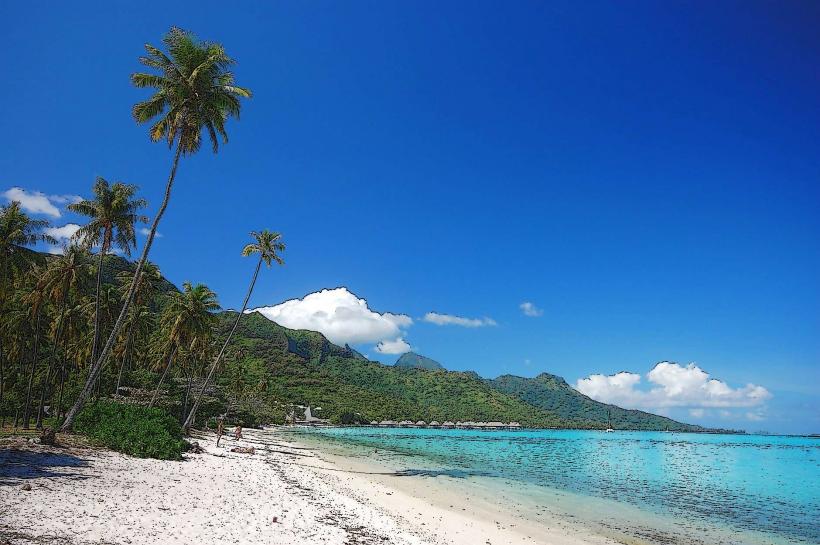
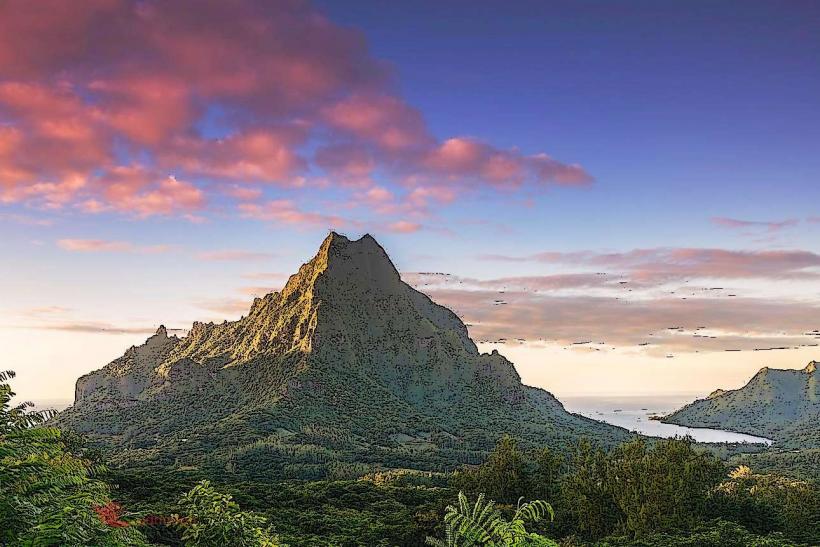
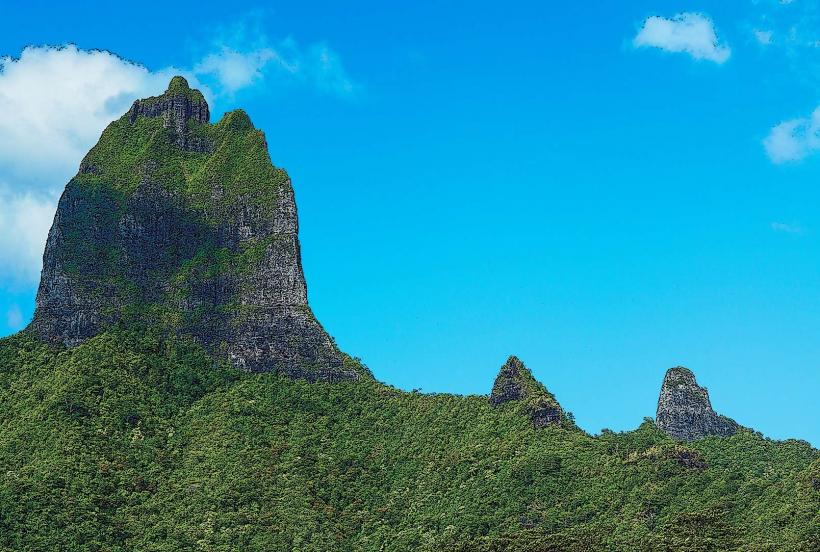
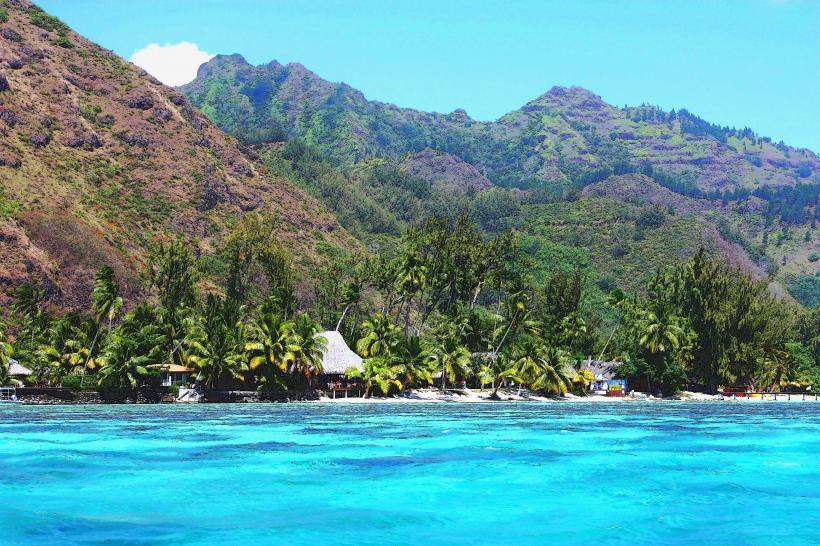
Mount Pahia is a prominent peak located on Bora Bora, an island in French Polynesia, known for its stunning landscapes, lush greenery, and turquoise lagoon. It is the second-highest mountain on Bora Bora, standing at approximately 661 meters (2,169 feet). Together with its companion, Mount Otemanu (727 meters), it forms the iconic volcanic peaks that dominate the island's landscape.
Geography and Formation
Mount Pahia, like the rest of Bora Bora, is the remnant of an extinct volcano. The island was formed around 7 million years ago and is surrounded by a barrier reef, creating the lagoon for which Bora Bora is famous. Mount Pahia's steep slopes are covered in dense tropical vegetation, with a rugged terrain characteristic of volcanic islands.
Climbing Mount Pahia
Climbing Mount Pahia is a popular activity for adventurous visitors to Bora Bora. While the trek is not extremely long, it is challenging due to the steep ascent, loose rocks, and overgrown trails. Hikers need to be physically fit and prepared for strenuous climbing.
- Trail Information: The hike typically takes 4-6 hours round trip, depending on fitness levels and weather conditions.
- Starting Point: The trailhead usually begins near the village of Vaitape, the main settlement on Bora Bora.
- Challenges: The path is unmarked in some areas, so hiring a local guide is highly recommended for safety and navigation.
- Views: Reaching the summit rewards climbers with breathtaking panoramic views of Bora Bora's lagoon, Mount Otemanu, the surrounding motus (islets), and the vast Pacific Ocean.
Flora and Fauna
Mount Pahia is rich in biodiversity. Its slopes are home to a variety of tropical plants, including hibiscus, pandanus, and coconut palms. Wildlife includes native birds such as the Polynesian swiftlet and introduced species like the myna. The dense vegetation also supports a variety of insects and smaller animals.
Cultural Significance
Mount Pahia holds cultural and historical importance for the Polynesian people. It is steeped in local legends and myths. According to one story, Mount Pahia and Mount Otemanu represent the remnants of a god who was transformed into stone.
Nearby Attractions
- Mount Otemanu: The highest peak on the island and another popular hiking destination.
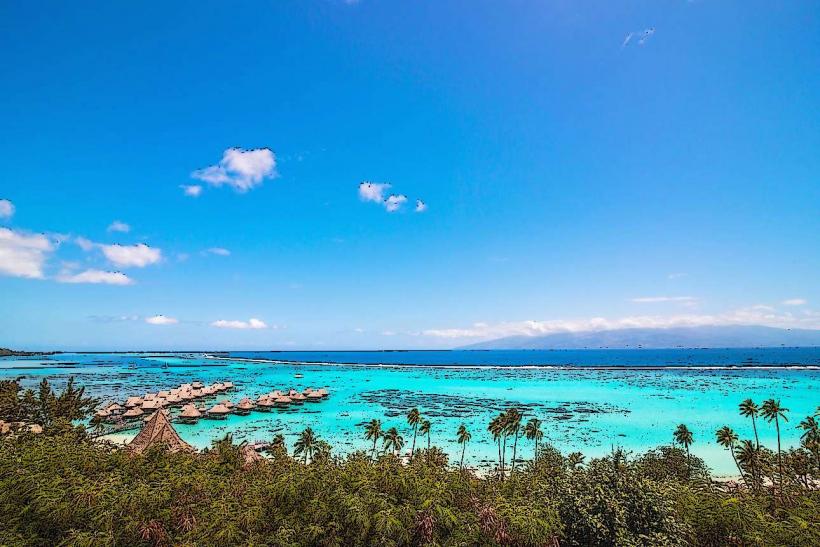
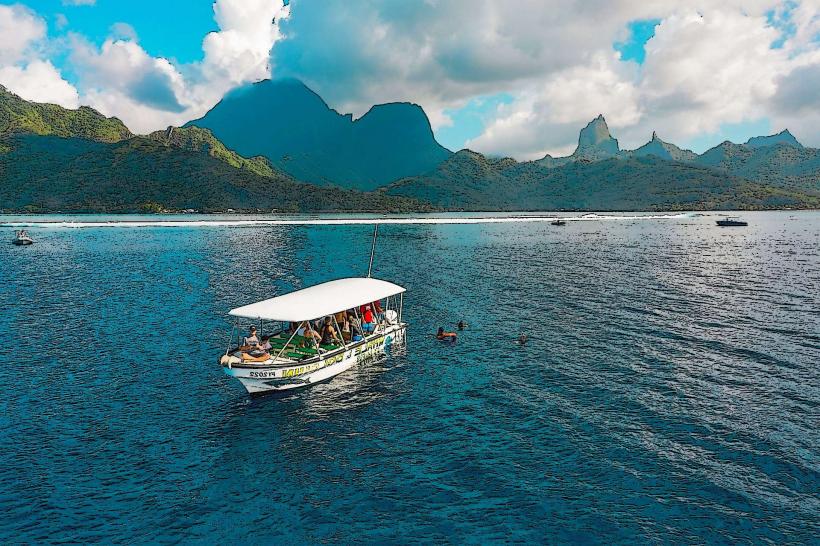
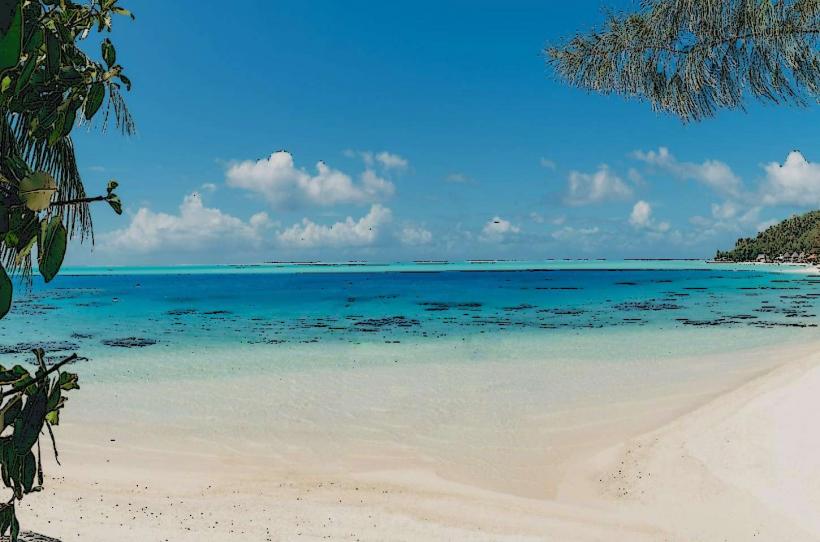
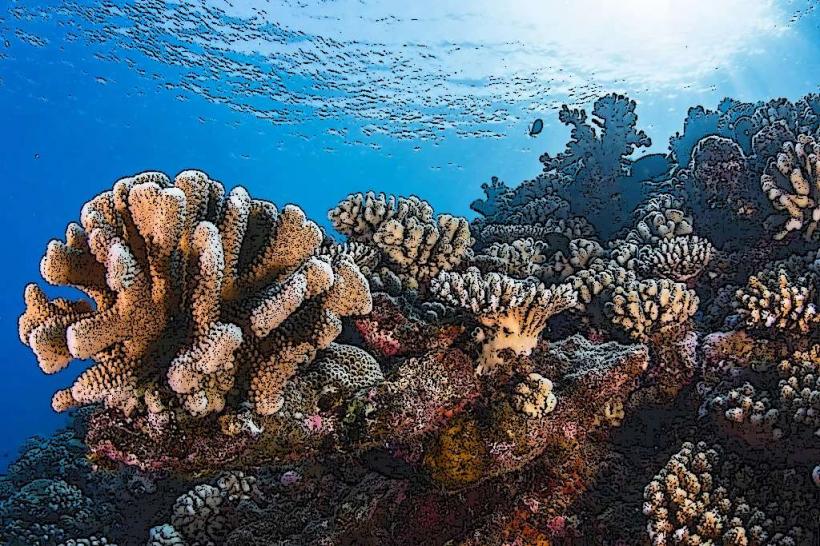
- Lagoon: Bora Bora’s lagoon offers activities such as snorkeling, scuba diving, and boat tours.
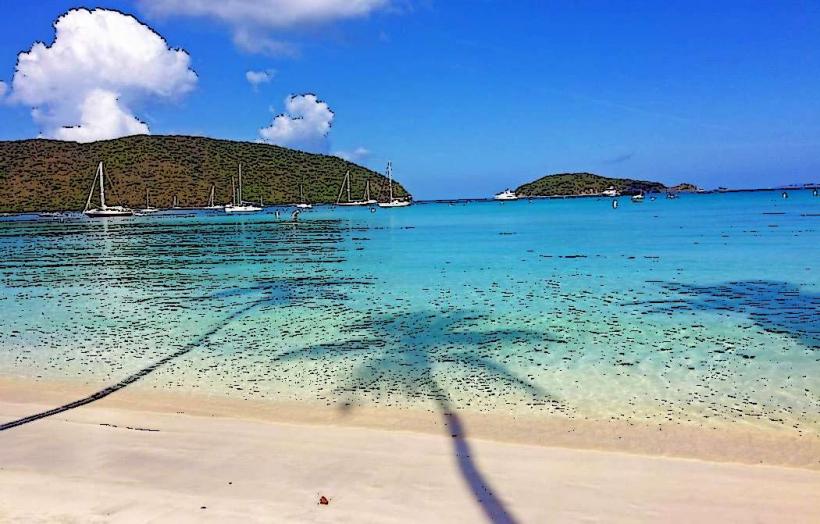
- Matira Beach: A famous stretch of white sand beach located near the base of the mountains.
Practical Tips for Visiting
- Best Time to Climb: The dry season (May to October) offers the best conditions for hiking, with less rainfall and cooler temperatures.
- Preparation: Wear sturdy hiking shoes, bring plenty of water, insect repellent, and sunscreen.
- Local Guides: Consider hiring a guide to ensure a safe and enjoyable experience, as trails can be difficult to follow.
Final Thoughts
Mount Pahia is not just a physical landmark but a symbol of Bora Bora’s natural beauty and cultural heritage. For those who undertake the climb, it offers an unforgettable adventure and a unique perspective of one of the most beautiful islands in the world.