Information
Landmark: Museo Casa de MontalvoCity: Ambato
Country: Ecuador
Continent: South America
Museo Casa de Montalvo, Ambato, Ecuador, South America
Overview
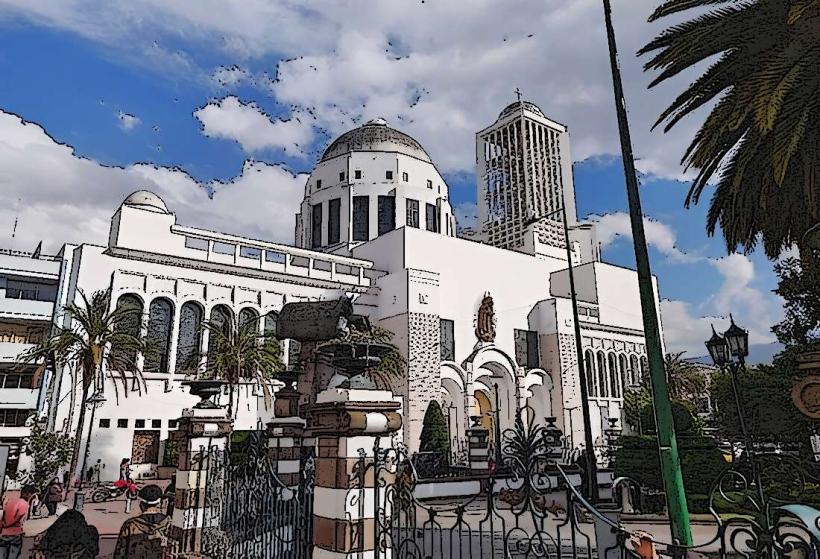
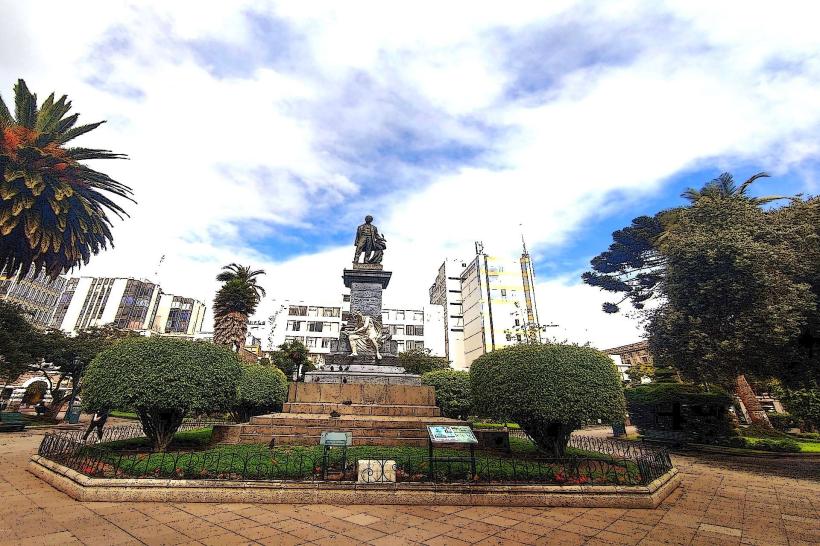
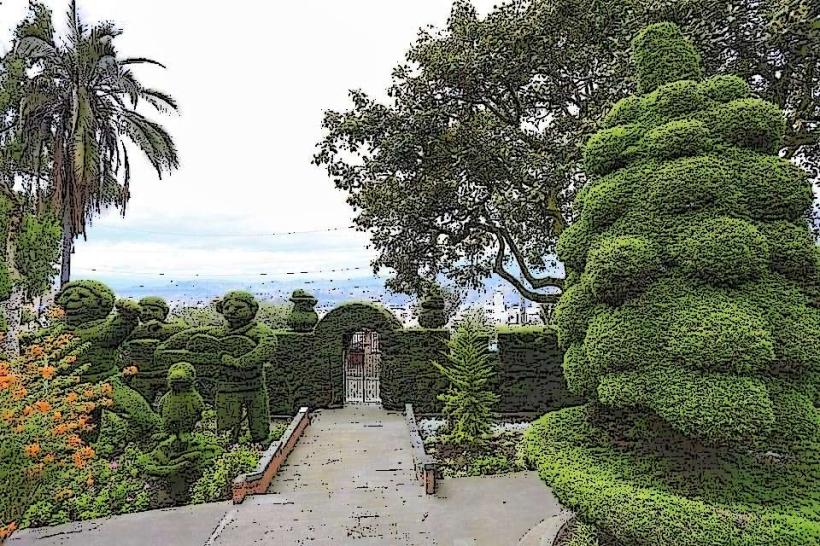
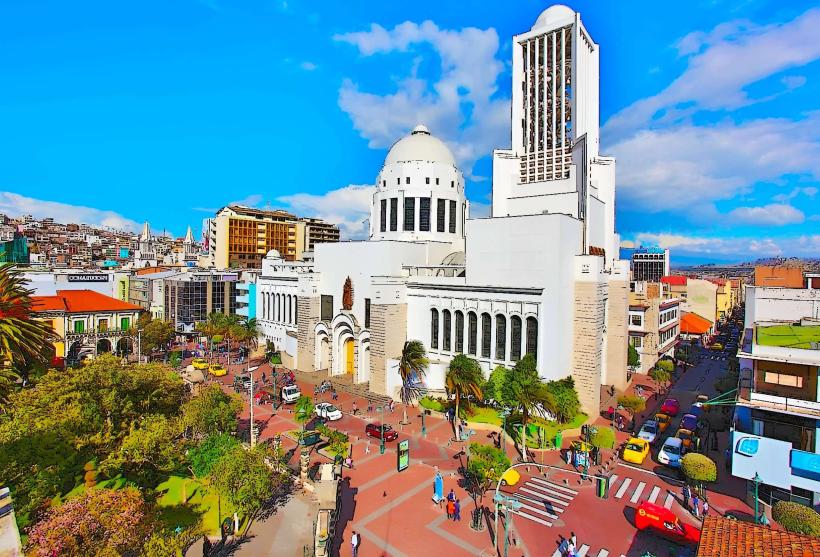
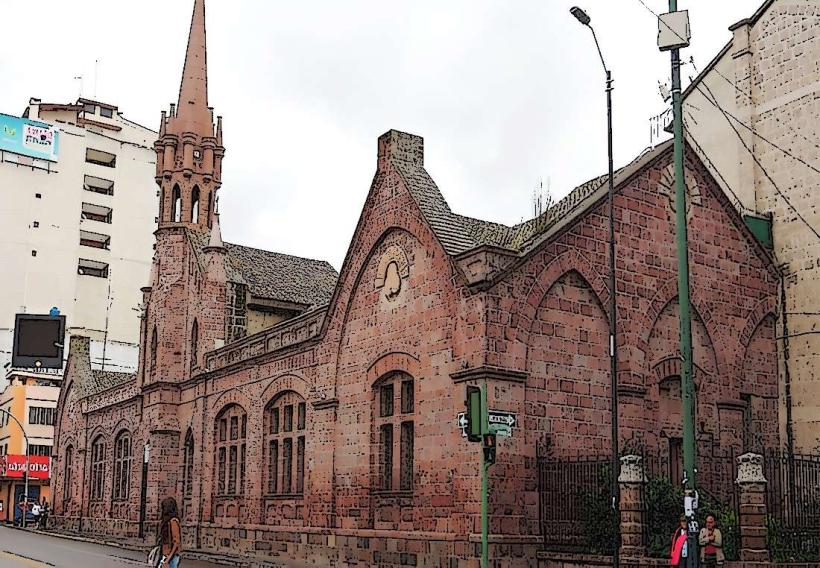
In Ambato, Ecuador, the Museo Casa de Montalvo preserves the legacy of Juan Montalvo-one of the nation’s most influential writers, essayists, and political thinkers-inside the creaking wooden rooms where he once lived and worked, on top of that the museum sits in his birthplace, a colonial-style home kept in pristine condition, where visitors can view his worn desk, treasured manuscripts, and the story of his life unfold.Oddly enough, In Ambato, it stands as a key cultural landmark, drawing anyone curious about Ecuador’s history and literature-like stepping into pages still scented with ancient paper and ink, consequently so, who exactly was Juan Montalvo?Juan Montalvo (1832–1889) was a celebrated writer, philosopher, and political essayist who challenged Ecuador’s authoritarian rulers with sharp, unflinching words that could cut like a blade, at the same time he wrote passionately about democracy, free speech, and human rights, taking aim at the political leaders of his day like a pen striking flint.Somehow, His most famous work, *Las Catilinarias*, is a sharp collection of essays that takes aim at corrupt politicians, exposing their lies like sunlight catching dust in the air."El Cosmopolita" – A series of articles reflecting on Ecuador’s social and political issues, what’s more "Capítulos que se le olvidaron a Cervantes" – A sequel to Don Quixote, showcasing Montalvo’s literary skills.Not surprisingly, "El Cosmopolita" is a series of articles that explore Ecuador’s social and political struggles, from crowded market streets to tense debates in the capital.“Capítulos que se le olvidaron a Cervantes” - a playful sequel to Don Quixote that lets Montalvo’s sharp wit and rich storytelling shine, while his blunt opinions forced him into years of exile in France, where he kept writing-often by a drafty window-right up until his death in 1889.At the Museo Casa de Montalvo, you can step into the writer’s world-notice his worn desk, trace his words, and explore how his ideas shaped generations, as a result the house was carefully restored to preserve its 19th‑century design, so visitors can step inside and feel the warm, wood‑scented air of Montalvo’s time.Number one, as a result the museum sits in downtown Ambato, just steps from Parque Montalvo, where the tall white Monumento a Montalvo rises over the square.You can reach it quickly from nearby cultural spots, like the grand Catedral de Ambato or the quiet Municipal Library with its sunlit reading room, in conjunction with number two.If I’m being honest, The museum’s rooms showcase Montalvo’s personal treasures-worn leather-bound manuscripts, carved wooden furniture, everyday belongings, and other pieces of history, as well as among the highlights are Montalvo’s own manuscripts and books, their pages still smelling faintly of aged paper.Personal letters, along with notes exchanged with key figures of his day, some still carrying the faint scent of ink, furthermore chairs, tables, and other household pieces from the 19th century, worn smooth by decades of use.Paintings and portraits of Montalvo, from bold brushstrokes to delicate lines, in addition a stack of political essays and yellowed newspapers showcases his work.Montalvo’s writing desk, its surface worn smooth, is where he penned some of his most celebrated works, to boot three, more or less One of the museum’s most captivating corners is Montalvo’s personal library, filled with the very books he pored over-worn volumes of literature, philosophy, and political works from both Ecuador and Europe, meanwhile this collection offers a glimpse into the ideas and voices that shaped his mind, like the worn pages of books he read late into the night, sort of Number four, consequently the house opens onto a traditional Ecuadorian courtyard, where luminous flowers spill over clay pots and stone paths wind between leafy plants.This quiet destination mirrors the calm, sunlit world where Montalvo once lived and put his thoughts to paper, furthermore the Museo Casa de Montalvo isn’t just a museum-it stands as a living symbol of Ecuador’s literary and political past, where worn wooden floors still echo the stories of its time.It appears, Montalvo’s vision of freedom, justice, and democracy still stirs people in Ecuador today, like a breeze that carries the scent of fresh rain through a crowded plaza, subsequently the museum is a vital hub for education and culture, often filling its halls with lectures and seminars on Ecuadorian literature and history, moderately Schools bring students in to learn about Montalvo’s influence, sometimes standing in the garden where his ideas first took root, furthermore author readings and lively book talks, with the rustle of pages in the air.Displays of aged letters, weathered maps, and other historical artifacts, moreover the best time to go is during the Fiesta de la Fruta y de las Flores in February, when the museum comes alive with special cultural events and colorful exhibitions, generally On April 13th, the day Juan Montalvo was born, the city comes alive with tributes and literary gatherings, from candlelit readings to quiet displays of his work, not only that the museum welcomes visitors year-round, inviting anyone curious about Ambato’s history to step inside and linger over its stories.Funny enough, If you stop by the Museo Casa de Montalvo, take a short stroll to Parque Montalvo, where the bronze Monumento a Montalvo stands at the park’s center, after that catedral de Ambato, the city’s main church, rises beside the quiet fountains in Plaza de la Independencia, slightly Quinta de Juan León Mera, once the warm, sunlit home of the celebrated Ecuadorian writer who penned the national anthem, still carries the echo of his words, in conjunction with museo de la Ciudad tells Ambato’s story, weaving its history and culture through exhibits like worn leather saddles and brightly painted festival masks.From the Mirador de Casigana, you can take in sweeping views of the city and watch Tungurahua Volcano rise in the distance, its slopes often veiled in drifting clouds, to boot in short, the Museo Casa de Montalvo is a locale you can’t miss if you love literature, enjoy exploring history, or want to step into the heart of Ecuador’s intellectual heritage, where timeworn manuscripts still carry the faint scent of aged paper., in a sense
Author: Tourist Landmarks
Date: 2025-09-19