Information
Landmark: Museo de Historia NaturalCity: Holguin
Country: Cuba
Continent: North America
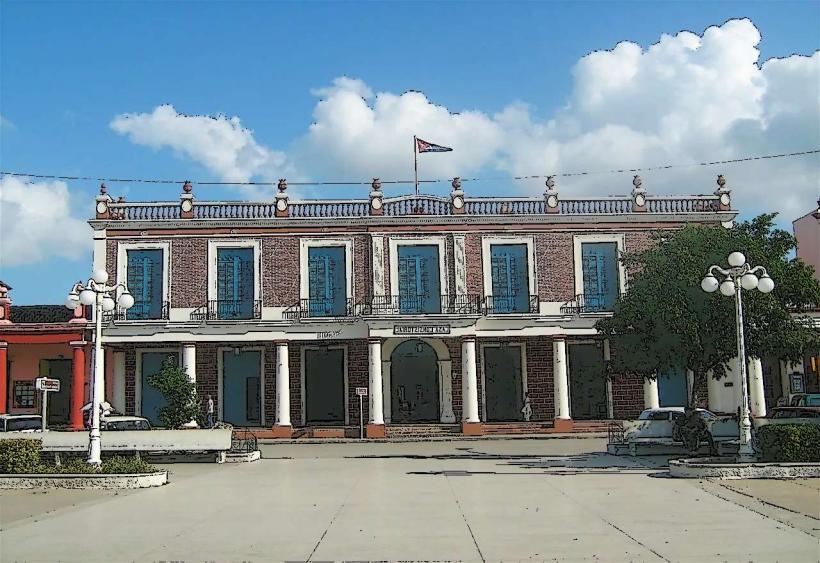
Museo de Historia Natural, Holguin, Cuba, North America
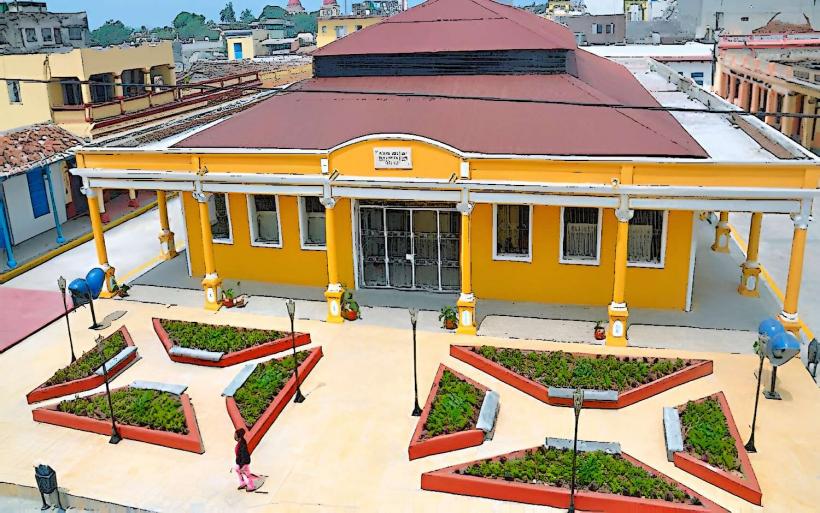
Museo de Historia Natural (Natural History Museum) is located in Holguín, Cuba, and is a key cultural and educational institution in the city. The museum is dedicated to showcasing the natural history of Cuba, particularly the island's flora, fauna, and geological features. It provides visitors with insight into the diverse ecosystems, wildlife, and environmental history of the region, as well as a broader understanding of Cuba’s natural heritage. Here’s a detailed guide to the Museo de Historia Natural in Holguín:
Location
- City: Holguín, Cuba.
- Address: The museum is centrally located in Holguín, making it easily accessible from the city’s main attractions, such as Parque Calixto García and Catedral de San Isidoro.
Historical Significance
- The Museo de Historia Natural plays a crucial role in preserving and promoting Cuba's natural heritage. It serves as both an educational space for locals and a fascinating stop for tourists interested in the island’s biodiversity.
- The museum is a reflection of Cuba’s commitment to the protection of its natural environment and wildlife, including its unique species of plants and animals found nowhere else in the world.
Exhibits and Collections
- Cuban Flora and Fauna:
- One of the highlights of the museum is its extensive collection of specimens from Cuba’s flora and fauna. The exhibits feature both local and endemic species of plants and animals, many of which are unique to the island.
- Visitors can learn about various endangered species, such as the Cuban crocodile, Cuban solenodons, and various species of birds and reptiles.
- Geological Exhibits:
- The museum includes displays on Cuba’s geological history, showcasing rocks, minerals, and fossils found throughout the island. These exhibits provide insight into the island’s ancient geological formations and the natural processes that shaped its landscape.
- Paleontology:
- The museum features a paleontology section with fossil displays from prehistoric Cuba. These exhibits highlight the ancient life forms that once inhabited the island, including marine reptiles and early mammals.
- Ecological Exhibits:
- The museum also covers Cuba's diverse ecosystems, ranging from tropical forests to coastal wetlands. Interactive exhibits explore the interactions between the island's flora, fauna, and environmental conditions.
- Marine Life:
- Given Cuba’s proximity to the Caribbean Sea, the museum has a dedicated section on marine life, highlighting the rich biodiversity of the surrounding oceans, including coral reefs, fish species, and marine ecosystems.
Educational and Research Role
- The museum plays a vital role in educating the public, particularly young people, about the importance of biodiversity conservation and environmental sustainability.
- It collaborates with local and international organizations to promote scientific research on Cuba’s natural history, supporting ongoing efforts to protect the island’s unique ecosystems and species.
Visitors' Experience
- Exhibit Tours:
- The museum offers guided tours for visitors, allowing them to learn about Cuba’s natural environment and history from knowledgeable staff. These tours provide a deeper understanding of the exhibits and help connect visitors to the island’s ecological heritage.
- Interactive Displays:
- The museum is designed to be engaging and interactive. Some exhibits feature hands-on displays and audio-visual presentations, making it a fun and educational experience for visitors of all ages.
- Gift Shop:
- The museum has a small gift shop where visitors can purchase souvenirs related to the museum’s exhibits, including books, posters, and educational materials on Cuban flora and fauna.
Nearby Attractions
Parque Calixto García:
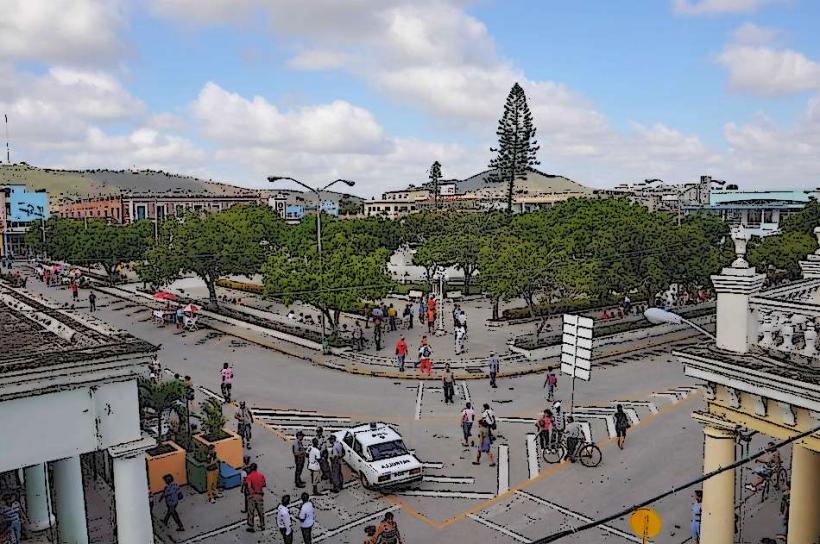
- Just a short walk from the museum, Parque Calixto García is one of the main public parks in Holguín. It features a statue of Calixto García, a Cuban revolutionary hero, and is a popular spot for relaxation and socializing.
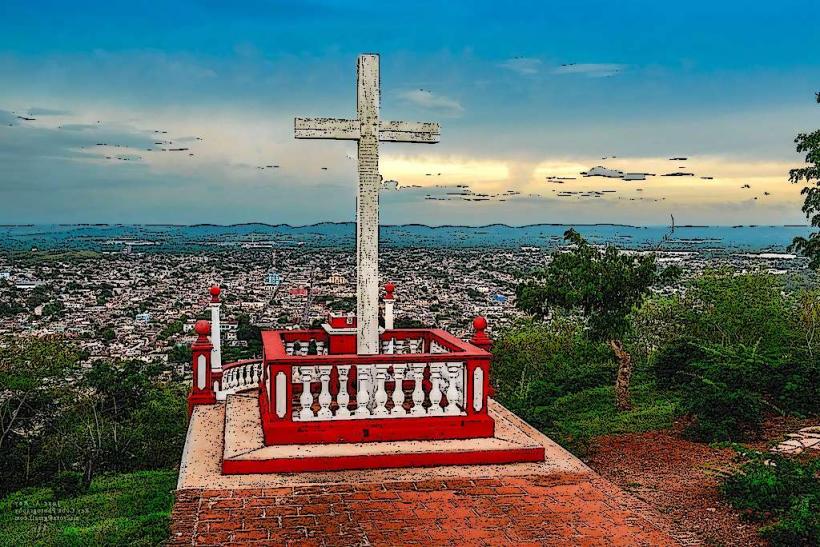
- A famous hilltop landmark offering stunning panoramic views of Holguín and the surrounding countryside. It is a must-visit for anyone in the city, with a peaceful atmosphere and an important place in Cuban culture.
Catedral de San Isidoro:
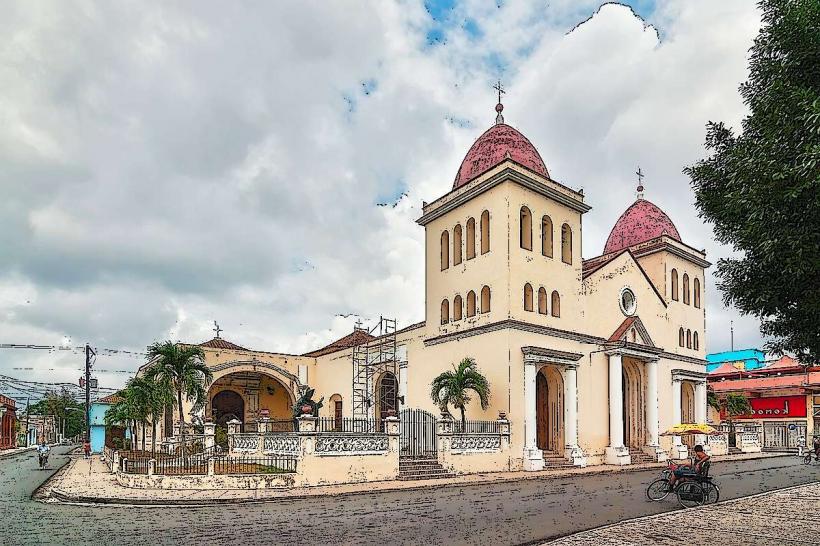
- Located near the museum, this historic cathedral is a significant example of colonial architecture in Holguín and is worth visiting for its historical and architectural value.
Practical Information
- Opening Hours:
- The museum is typically open Monday through Saturday, with regular hours in the morning and afternoon. However, it’s always best to check in advance as schedules may vary.
- Admission Fees:
- There is a small entrance fee to visit the museum, making it an affordable cultural attraction in the city. Discounts may apply for students, children, or groups.
- Language:
- Most of the exhibits and tours are presented in Spanish, though some materials and tours may be available in English. It is advisable to bring a Spanish-speaking guide or use translation apps if you're not fluent in the language.
- What to Bring:
- Comfortable walking shoes for exploring the museum and its exhibits.
- A camera for capturing the displays (photography is usually allowed, but check for any restrictions).
- Water and sunscreen if you plan to visit nearby outdoor attractions.
Conclusion
The Museo de Historia Natural in Holguín is a valuable destination for those interested in learning more about the natural world and Cuba’s unique biodiversity. Whether you are a nature enthusiast, a student of ecology, or simply a curious traveler, the museum offers an enriching experience that highlights the island's rich natural history and its role in global conservation efforts. With its diverse exhibits, educational programs, and engaging displays, the museum provides visitors with a deeper connection to the natural wonders of Cuba.