Information
Landmark: Museu de Arte de SantosCity: Santos
Country: Brazil
Continent: South America
Museu de Arte de Santos, Santos, Brazil, South America
Overview
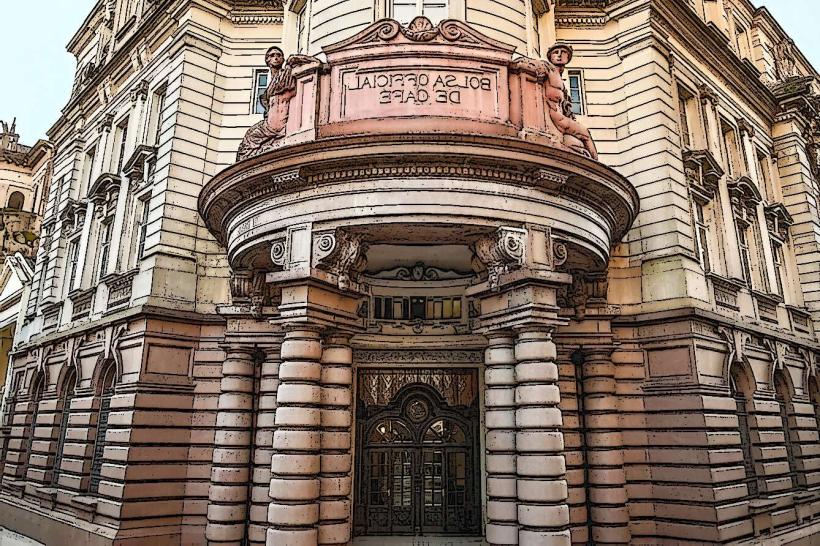
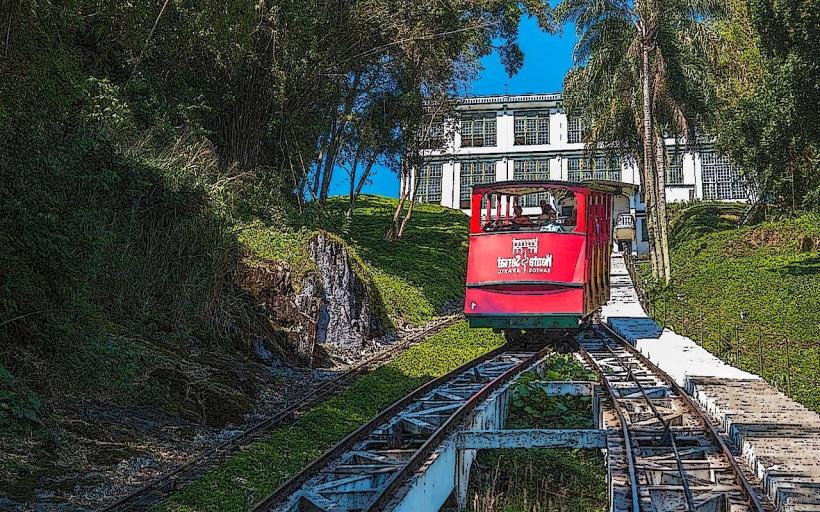
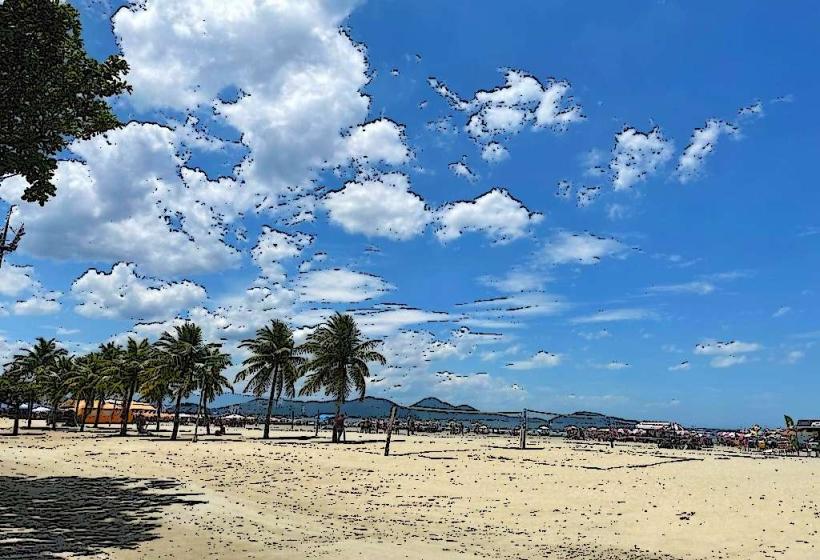
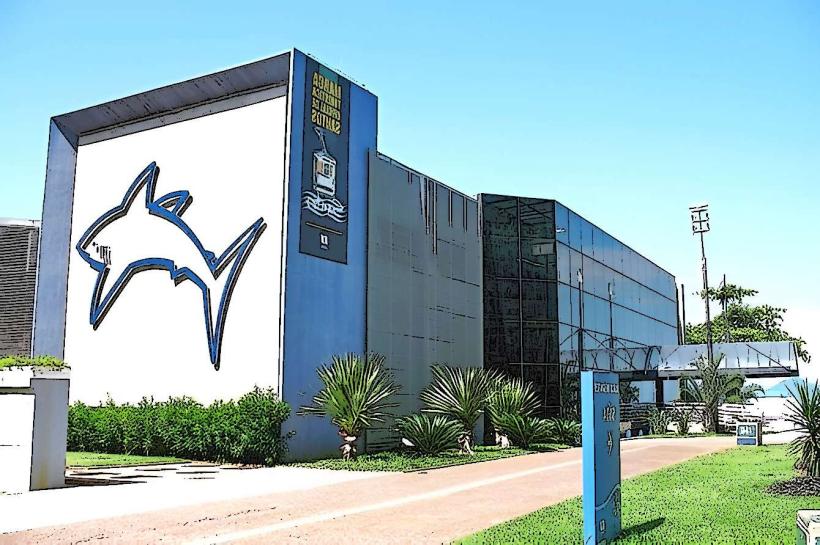
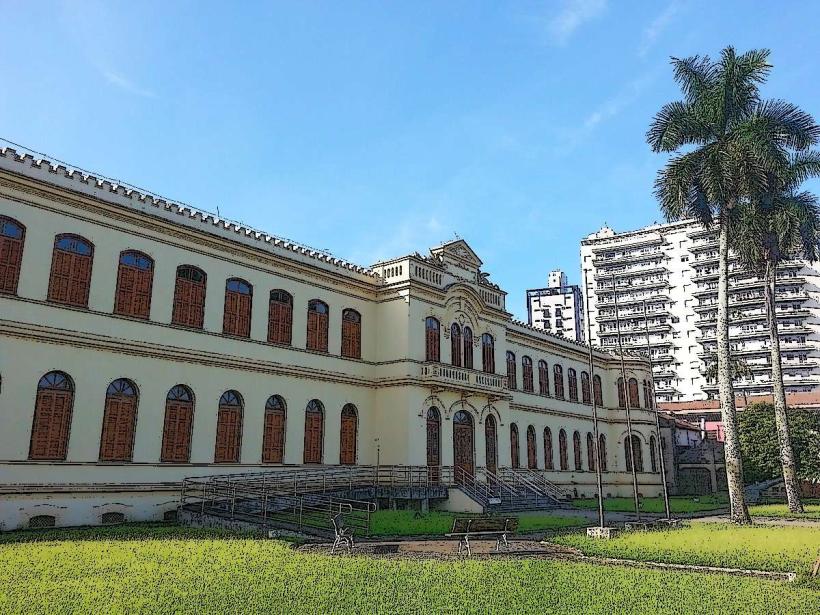
As it turns out, The Museu de Arte de Santos, or Santos Museum of Art, stands among the city’s top cultural landmarks, drawing visitors from across São Paulo, Brazil, consequently it’s a driving force for the region’s arts scene, showcasing a vivid collection of paintings and sculptures while giving people a venue to share ideas and enjoy creative work together.Here’s a closer behold at what the museum offers-imagine stepping into a quiet hall lined with paintings that seem to watch you back: 1, at the same time the Museu de Arte de Santos (MAS) sits in the heart of the city’s historic center, tucked into the cobblestoned streets of the Bairro do Valongo.It sits in a charming classical building, its brickwork and arched windows adding to the city’s architectural heritage, moreover address: Praça Pinheiro Machado, 48 – Centro, Santos, SP, Brazil, just past the vintage stone fountain.Step two’s all about keeping the rhythm varied-mix quick, punchy lines with ones that take their time, while founded in 1960, the Museu de Arte de Santos ranks among the region’s oldest art museums, its first gallery once lit by tall windows that faced the harbor.Its main mission is to keep the region’s artistic heritage alive-show it, share it, and celebrate it-while also honoring the art of Brazil as a whole, from vibrant street murals to centuries-ancient oil paintings, meanwhile the museum sits in a stately early-20th-century building, once echoing with the sound of polished shoes on marble floors, now carefully restored to showcase its collections and exhibitions.The building holds real cultural weight, blending stately neoclassical columns with sleek, glass-fronted modern lines, along with over the years, the museum has grown into the region’s hub for visual arts, drawing crowds to shining gallery openings, lively workshops, and community celebrations, perhaps Three, therefore the Museu de Arte de Santos houses a wide-ranging collection, from bold abstract canvases to delicate bronze sculptures, each reflecting a different style and medium.The museum showcases permanent collections, short-term exhibitions, and rotating displays, featuring work from Brazilian painters and artists from around the world, as a result just the letter “a,” miniature and plain, like the first mark on a blank page.The museum’s permanent collection holds an impressive range of Brazilian art, from delicate 18th-century portraits to bold contemporary pieces, not only that the spotlight’s on modern art, featuring standout pieces by artists who helped shape Brazil’s 20th‑century scene-bold colors, daring forms, and all.Highlights include striking pieces by celebrated Brazilian artists such as Candido Portinari, Tarsila do Amaral, and Di Cavalcanti, whose bold colors seem to hum on the canvas, likewise these pieces capture major currents in Brazilian art, from the bold shapes of modernism to the precise lines of constructivism and the free sweep of abstract forms.The museum also houses a collection devoted to the art history of the Santos region, featuring pieces that trace the city’s cultural, historical, and social journey-like vivid harbor scenes painted a century ago, at the same time just the letter “b,” compact and neat, sat alone on the page, slightly often At the MAS, you’ll often find temporary shows that change with the season, spotlighting bold recent works from hometown artists alongside pieces by creators from around the world, along with the exhibitions change with the seasons, giving visitors a chance to wander from vivid oil paintings and sleek bronze sculptures to striking photographs and immersive installation pieces.The museum often teams up with art institutions in Brazil and abroad, filling its galleries with fresh viewpoints and exhibits-like a vivid splash of color on a once-quiet wall, along with the letter c curves neatly, like a tiny half-moon on the page, relatively The museum puts a strong focus on contemporary art, spotlighting bold innovative trends, fresh movements, and daring experimental pieces from Brazilian and international artists alike, what’s more in recent years, the museum has broadened its programs to feature photography and digital art, from striking black‑and‑white portraits to glowing, screen‑based installations.Temporary exhibitions often showcase photography collections that explore social, cultural, and environmental themes, from weathered fishing boats to bustling city streets, therefore number four.At the Museu de Arte de Santos, art education comes alive through workshops that smell faintly of paint, lively lectures, guided tours, and special events-all part of the museum’s commitment to sharing art with the community, to boot school Programs: The museum runs engaging tours and hands-on activities for students, giving local schools a lively way to introduce them to the world of visual arts-like studying brushstrokes up close on a centuries-vintage painting.The museum hosts regular art workshops for kids and adults, inviting them to roll up their sleeves and try their hand at painting, sculpture, and more while picking up fresh techniques along the way, alternatively five.Visitor Experience Atmosphere: At the MAS, art lovers step into a quiet space that draws them in, where each gallery feels like a deep breath, in turn the building is designed to create a welcoming space where visitors can linger over the artwork, glance up at the soaring arches, and feel the weight of its history.Accessibility: The museum welcomes visitors of all abilities, with smooth ramps at the entrance and spaces designed for wheelchairs, in addition it offers details in Portuguese and English, so travelers from abroad can easily follow along-even if they’re reading a museum sign or a café menu.Guided Tours: For a deeper glance, join a guide who brings the art to life-explaining the artists, the movements they shaped, and the stories behind each canvas, after that number six sat alone on the page, a modest shadowy curve and loop like ink still drying.The museum’s building blends stately neoclassical columns with sleek modern lines, a mix that catches your eye the moment you step inside, not only that they’ve kept the structure intact to showcase the architectural beauty of Santos’s past, with soaring ceilings, wide sunlit windows, and a grand entrance that hints at the rich cultural experience waiting inside, under certain circumstances The museum’s galleries feel wide and airy, giving you room to pause and take in each painting without hurry, the quiet hum of footsteps the only sound around you, simultaneously seven.Santos bursts with culture, and the Museu de Arte sits just steps from other must‑spot spots, subsequently after the museum, you can stroll to the Santos Aquarium, where schools of silver fish flash past in the cool blue water, not entirely Not surprisingly, Coffee Museum: Just a few blocks away, the Museu do Café offers a vivid behold at Brazil’s coffee trade, a force that once shaped the very streets and harbor of Santos, alternatively Monte Serrat offers sweeping views of Santos and the coastline-ride the funicular up the hill and watch the city unfold beneath you.After touring the museum, stroll over to nearby Gonzaga Beach, where you can sink your toes into the warm sand and take in the sweeping view of the coastline, at the same time the number 8 sat bold and curved, like a loop of ribbon doubled over on itself.You can visit the Museu de Arte de Santos any time of year, though crowds swell during special events like a packed art exhibition or a lively cultural festival, what’s more if you want to skip the crowds, go on a weekday or get there early on a weekend morning, while the air’s still cool and the streets are quiet.If you’re curious about certain exhibitions, check the museum’s website or scroll through its social feeds - that’s where you’ll find the latest on pop-up shows and upcoming events, on top of that nine.The Museu de Arte de Santos keeps admission prices low, and students, children, and seniors can get in for even less-sometimes for the cost of a cup of coffee, furthermore you might get in for free on certain event days, like during a festival or a cultural holiday.The museum’s open Tuesday through Sunday, though the hours shift on holidays and during special events-sometimes you’ll find the doors unlocking a little later in the morning, on top of that they keep it shut on Mondays, so if you show up then, you’ll find the lights off and the door locked.Ten, in turn before you go, take a quick scan to view if any special exhibits are on-like that rare watercolor show tucked in the east wing.These exhibitions often showcase contemporary art alongside pieces from around the world, like a vivid mural still smelling faintly of fresh paint.
Author: Tourist Landmarks
Date: 2025-09-17