Information
Landmark: Museu de PescaCity: Santos
Country: Brazil
Continent: South America
Museu de Pesca, Santos, Brazil, South America
Overview
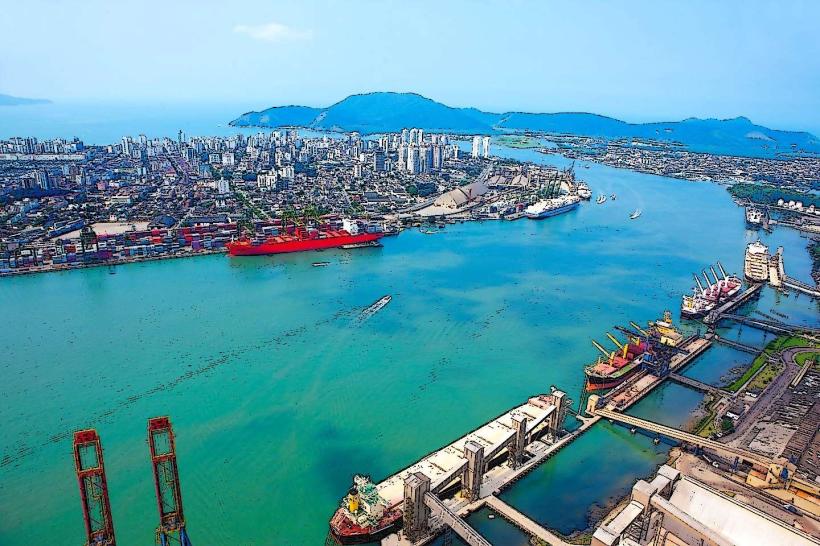
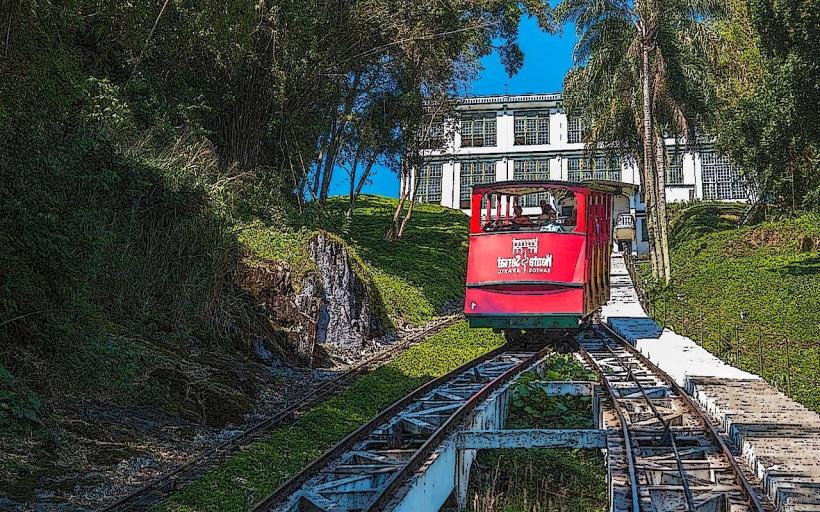
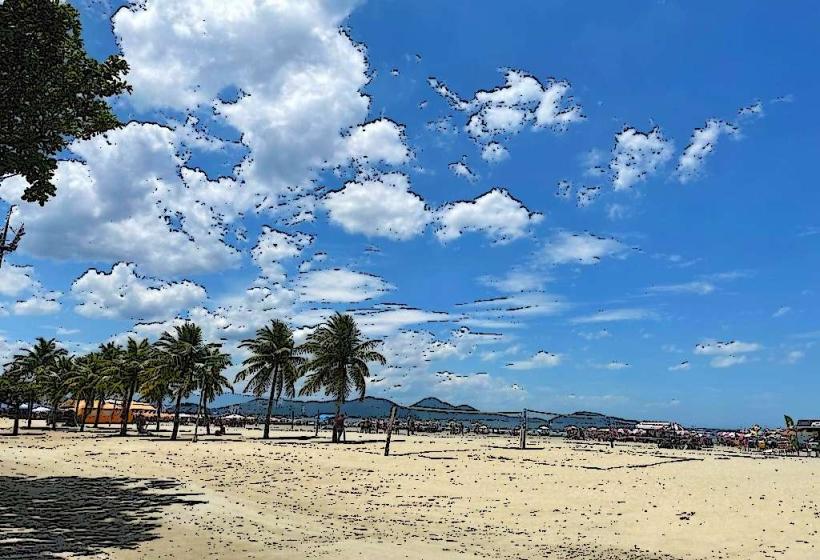
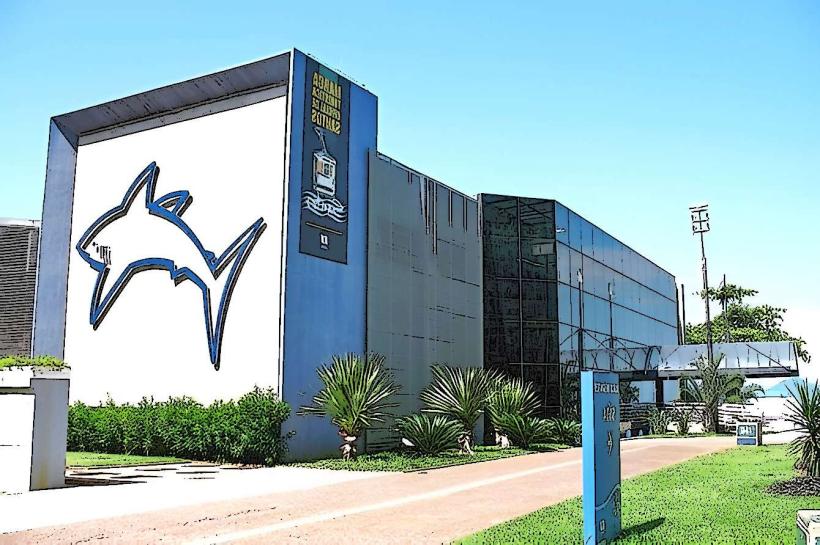
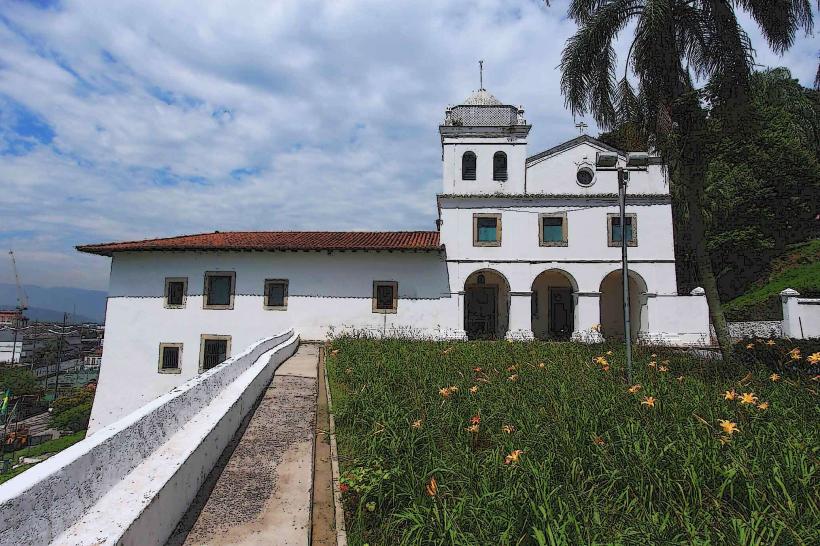
In Santos, São Paulo, the Museu de Pesca is a treasured cultural spot that keeps alive the story of fishing-its age-vintage traditions, the creak of wooden boats, and the role it played in shaping the region’s growth, besides right in the heart of Santos, the museum pulls you into the story of the fishing industry-how it’s changed over time and why it matters so much to the city’s past, from weathered wooden boats to faded black‑and‑white photos of the docks.First, in conjunction with you’ll find the Museu de Pesca right on the Santos waterfront, tucked into the Gonzaga neighborhood where the sea air smells faintly of salt.Housed in the vintage customs warehouse by the port, the museum carries the scent of aged timber and salt air, adding to its charm and historic weight, while address: 192 Avenida Bartolomeu de Gusmão, Santos, SP, Brazil - a few steps from the ocean.Funny enough, Number two, also founded in 1990, the Museu de Pesca set out to preserve the region’s deep fishing heritage and the culture tied to it, from weathered nets to stories passed down on the docks.For generations, Santos has been one of Brazil’s busiest ports, tied closely to the fishing trade, especially in the salty waters of the Atlantic and the sheltered curve of Santos Bay, while the museum’s collection showcases the history of fishing techniques-like the smooth weight of a hand-carved wooden net-and underscores the vital role of marine biodiversity and sustainability.The building, with its weathered colonial-era walls and tall wooden shutters, is woven into the region’s history and adds to the museum’s authenticity and charm, alternatively number three stood alone, a single mark on the page like a pebble caught in white sand.The Museu de Pesca showcases a range of exhibits, tracing the fishing industry from its early hand‑woven nets to the sleek boats used today, alternatively the museum showcases permanent exhibits and rotating displays on marine life, fishing, and conservation, from a shimmering wall of seashells to nets worn soft by years at sea.a.The museum showcases a rich collection of traditional fishing gear-nets still smelling faintly of salt, worn wooden hooks, sturdy rods, and modest boats once steered by local fishermen, alternatively it gives visitors a peek at how fishing in Santos and the nearby coast has changed over the years, from handwoven nets drying in the sun to modern boats cutting across the bay.Not surprisingly, Among the highlights is a weathered replica of an classical fishing boat, its wooden hull smelling faintly of salt, showing how local fishermen once worked before modern machines changed everything, as well as interactive displays let visitors spot how fishing gear and methods have evolved, from the heft of an ancient wooden reel to the sleek hum of a modern motorized winch.B, furthermore at the Marine Life and Ecosystems exhibit, the museum drives home the value of ocean biodiversity with displays of fish, shellfish, and other species that have long anchored the fishing trade.Oddly enough, They include fish from the Atlantic and the sheltered waters of Santos Bay, some now so scarce from overfishing and pollution that nets come up nearly empty, in addition the displays dive into marine ecosystems-coral reefs glowing with life, tangled mangroves sheltering fish-and show how they keep the ocean’s biodiversity thriving and the fishing industry alive.Just the letter “c,” miniature and curved like a half-moon, along with at the museum, you can trace the story of fishing in Santos, from handwoven nets drying in the sun to the modern boats that line the harbor.Visitors can wander through the town’s early days as a humble fishing village, then trace its growth into one of Brazil’s busiest ports, where nets still glisten with fresh catch in the morning sun, as well as the exhibits show how Santos grew into a bustling center for commercial fishing, with boats unloading fresh catch that fuels jobs, trade, and the local economy.The museum shines a light on Santos’ fishing community, showing how its traditions-like mending nets by hand-have been handed down through the years, furthermore there’s a minute letter “d” scrawled in the corner, like someone testing a pen, somewhat As you can see, The museum works to raise environmental awareness and encourage sustainable fishing practices, from protecting reef habitats to teaching visitors how petite changes can help the ocean thrive, what’s more the exhibits aim to show visitors why marine conservation matters, from the dangers of overfishing to the murky plastic drifting in our oceans, and why protecting fragile species and ecosystems is essential, perhaps Informational displays explain how fisheries are managed and show how sustainable practices-like limiting the catch-can protect ocean life for the future, moreover number four stood alone, a tiny mark on the page like a pebble in white sand.The Museu de Pesca sits inside a historic building that once served as a bustling customs warehouse in the early 1900s, its tall wooden doors still bearing the marks of decades-vintage shipments, besides its design echoes colonial architecture, with carved wooden balconies and other distinctive details that capture the region’s rich heritage, kind of I think, Perched on the waterfront, the museum draws you in with the scent of salt in the air, linking each visit to the sea and the region’s fishing past, not only that five.At the Museu de Pesca, you can join educational programs that range from hands-on activities to guided tours, where you’ll hear stories about the history of fishing, witness how techniques have changed over time, and learn about the environmental challenges the industry faces today, moreover students and school groups get the most out of these programs, whether it’s a hands-on lab or a lively field trip.The museum also brings in rotating exhibits, hands-on workshops, and lively talks that explore marine life, the fishing trade, and ways to protect our oceans, alternatively these projects help the museum spark awareness about protecting the ocean-its swaying kelp forests, shimmering fish, and all the life they shelter, occasionally Number six sits quietly on the page, a miniature black mark shaped like a curled hook, to boot at the Museu de Pesca, families find plenty to enjoy, especially kids who can tap buttons, lift panels, and explore hands-on displays.The exhibits blend learning with fun, making the visit engaging for all ages, alternatively it’s a great area for history buffs or anyone curious about how fishing shaped life in Santos, from the aged wooden boats to the stories passed down on the docks.It’s just a short ride from downtown, so the museum makes an easy stop while you wander Santos’ cobblestone streets and explore its historic and cultural landmarks, after that seven.Just a short amble from the Museu de Pesca in the Gonzaga neighborhood, you’ll find the Santos Aquarium, where glowing fish glide past the glass, sharks circle silently, and sea turtles drift through the blue, and just a few minutes’ stroll from the museum, Gonzaga Beach buzzes with life, its sandy stretch lined with cafés, restaurants, and little shops where the smell of fresh pastries drifts through the air.For sweeping views of the city and its glittering coastline, head up Monte Serrat by a quick ride; the hill also carries a rich history in its stone paths and classical chapel, not only that just a short roam into the aged town, the Museu do Café welcomes you with the rich scent of roasted beans and a vivid inspect at how the coffee trade shaped Brazil’s economic growth.The number 8 sat there, bold and unshakable, like black ink pressed deep into the page, meanwhile the Museu de Pesca stays open all year, but expect bigger crowds on weekends and holidays, when the chatter of visitors fills the halls.If you can, go on a weekday morning-the air’s cooler, the crowds are thinner, and everything feels more relaxed, along with on a rainy afternoon or when the heat shimmers off the pavement, the museum’s a perfect site to wander and explore indoors.Number nine sits there, modest and sharp like a black mark on white paper, alternatively the Museu de Pesca keeps admission prices low, and students, seniors, and kids can get a break on the cost-often just the price of a cup of coffee.The museum’s doors are usually open from Tuesday through Sunday, the scent of polished wood greeting you the moment you step inside.
Author: Tourist Landmarks
Date: 2025-09-17