Information
Landmark: Museum of Ethnography and CraftsCity: Lviv
Country: Ukraine
Continent: Europe
Museum of Ethnography and Crafts, Lviv, Ukraine, Europe
Overview
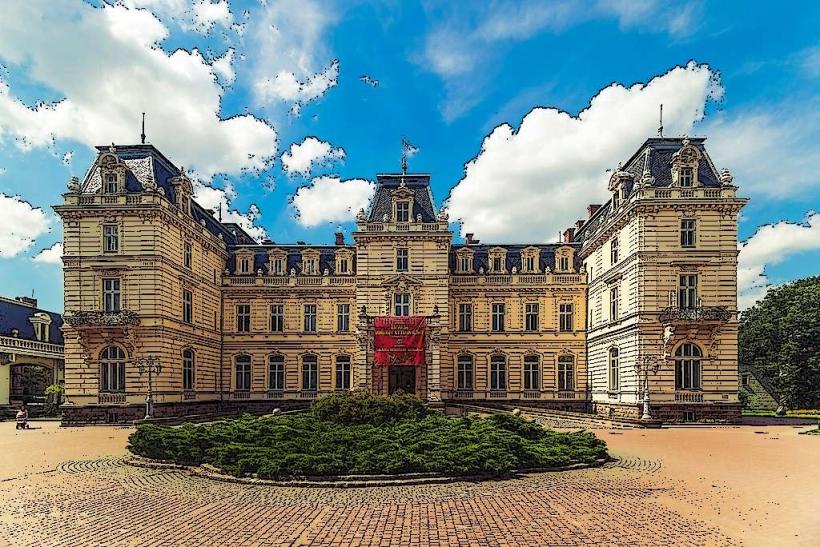
In Lviv, the Museum of Ethnography and Crafts stands among Ukraine’s finest, devoted to safeguarding and sharing the nation’s folk traditions, handmade artistry, and treasured objects like embroidered linen glowing under warm light, not only that it’s a vital cultural and educational hub, where shelves of faded textiles and intricate carvings tell stories of centuries of artistry and daily life.The museum opened its doors in 1951 after two older institutions joined forces-the Museum of Handicrafts, founded in 1874, and the Ethnographic Museum of the Shevchenko Scientific Society, founded in 1895, where the scent of aged wood still lingered in the display cases, as a result by bringing together vast collections of folk art, ethnographic treasures, and finely crafted objects-like a carved wooden spindle worn smooth by use-it became one of Ukraine’s most comprehensive museums of its kind.It’s housed in a historic building, once the Galician Savings Bank, built between 1890 and 1891 with pale stone walls that still catch the afternoon sun, equally important julian Zachariewych designed the building, a striking architectural landmark that fuses Renaissance grace with Baroque revival splendor, its tall arched windows casting soft light over the museum’s exhibits, sort of Once a bustling bank, the building stands out for its grand façade-heavy stone columns and intricate carvings catch the eye, in conjunction with carved into the stone are allegorical figures-Savings, Industry, and Agriculture-each echoing the building’s original purpose.Truthfully, Step inside and you’ll find the charm of history blending with sleek, modern displays, all set in airy rooms where sunlight spills across the museum’s vast collections, also the museum houses more than 83,000 pieces, from a carved wooden mask to delicate handwoven textiles, grouped mostly into ethnography and applied arts or crafts, slightly often The Ethnographic Collection holds roughly 44,000 objects capturing the rhythm of everyday life in Ukrainian villages-their customs, traditions, and worn tools-mostly from Western Ukraine, though pieces come from across the country, equally important highlights include folk costumes and textiles-embroidered jackets, traditional dress, and weaving patterns distinct to each ethnographic group.As far as I can tell, Ceramics and wood carvings-hand-thrown bowls that still smell faintly of clay, and wooden spoons etched with delicate patterns, in turn musical instruments-hand‑carved drums, flutes, and other folk pieces-bring life to celebrations and sacred rituals.Household tools and utensils-simple items like a worn wooden ladle-quietly tell the story of village life, farming, and handmade crafts, then with more than 28,000 artifacts, the Arts and Crafts Collection traces the rich, shifting styles of Ukrainian craftsmanship, from delicate hand‑woven linens to bold carved woodwork.Highlights include furniture from the 15th through the 20th centuries, showing how styles shifted from carved oak chests to sleek modern lines, consequently porcelain and ceramics included European and Dutch imports alongside locally made pieces, some glazed in soft blue or warm cream.The museum houses Ukraine’s largest and most prized collection of clocks, each one showcasing delicate engravings and the steady march of technological change, as a result jewelry, featuring standout treasures like a silver episcopal baton from the 11th–13th centuries, its surface worn smooth by centuries of handling, occasionally The museum houses a remarkable Judaica collection-more than 1,500 pieces that capture Jewish life in Galicia from the 1600s to the early 20th century, from worn prayer books to delicate silver candlesticks-preserving a vital part of the region’s multicultural history, what’s more the museum actively preserves culture by hosting lively temporary exhibits, hands-on workshops, and engaging educational programs on folk crafts, ethnographic research, and traditional arts, sometimes filling the air with the scent of freshly carved wood.Visitors often watch skilled artisans at work-stitching radiant threads into fabric, carving smooth curves into wood, shaping clay into bowls-bringing museum-goers face-to-face with living traditions, consequently you’ll find the visitor information desk at 15 Svobody Avenue, right in the heart of Lviv’s bustling city center.We’re open Tuesday through Sunday from 11 a.m, then to 5 p.m, and the doors stay shut on Mondays, somewhat Admission is affordable, and students or kids get a discount-sometimes enough to cover an ice cream afterward, likewise you can reach it in minutes-just stroll from the historic Market Square (Rynok Square) or hop on a tram.Why stop by, subsequently step inside the museum and you’ll feel a vivid link to Ukrainian folk heritage-wood carvings worn smooth by generations, fabrics alive with glowing threads-making it a must for anyone who wants to grasp the nation’s cultural roots beyond the usual tourist stops.Its wide-ranging collections open a window into traditional life, the distinct character of each region, and the craftsmanship in everyday tools-like a hand-carved wooden spoon-that helped shape Ukrainian identity, to boot the museum’s striking architecture, with its sunlit stone arches, pairs with carefully chosen exhibits to create an experience you won’t forget.The Museum of Ethnography and Crafts in Lviv holds a rich collection that keeps Ukraine’s folk traditions alive, from hand‑woven linens to carved wooden toys, moreover it links past to present, drawing visitors into the vibrant story of Ukrainian ethnographic heritage with hundreds of artifacts, vivid artworks, and hands‑on exhibits you can touch and explore.
Author: Tourist Landmarks
Date: 2025-10-02