Information
Landmark: Museum of Gomel HistoryCity: Gomel
Country: Belarus
Continent: Europe
Museum of Gomel History, Gomel, Belarus, Europe
The Museum of Gomel History (also known as the Gomel State Museum of Local History) is one of the most important cultural institutions in the city of Gomel, Belarus. It is dedicated to preserving and showcasing the rich history, culture, and heritage of Gomel and the surrounding region. The museum offers a comprehensive look at the city’s historical development, from its early foundations to its modern-day status as a significant urban center in southern Belarus.
1. Location and Architecture
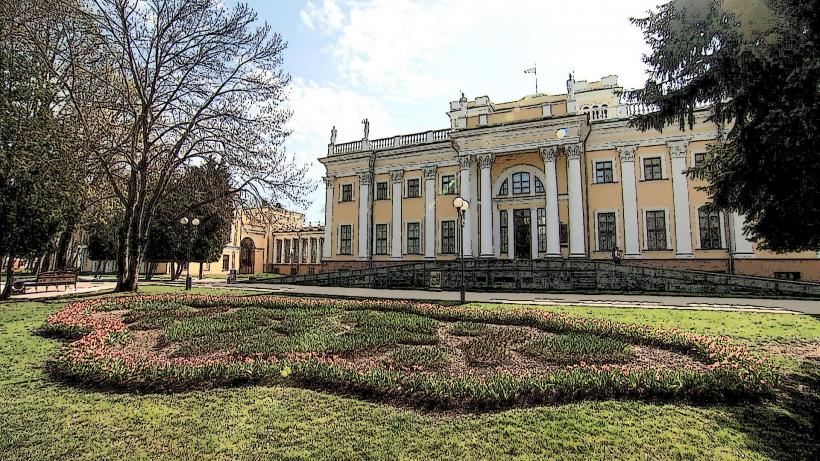
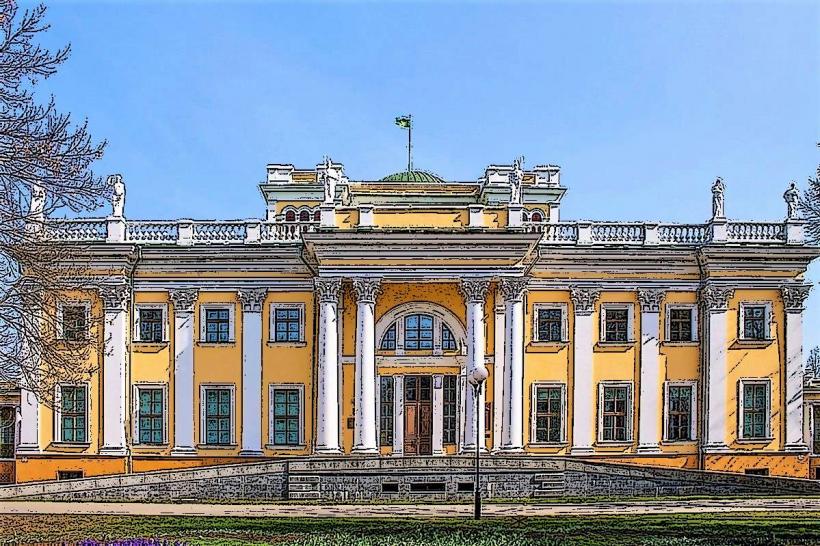
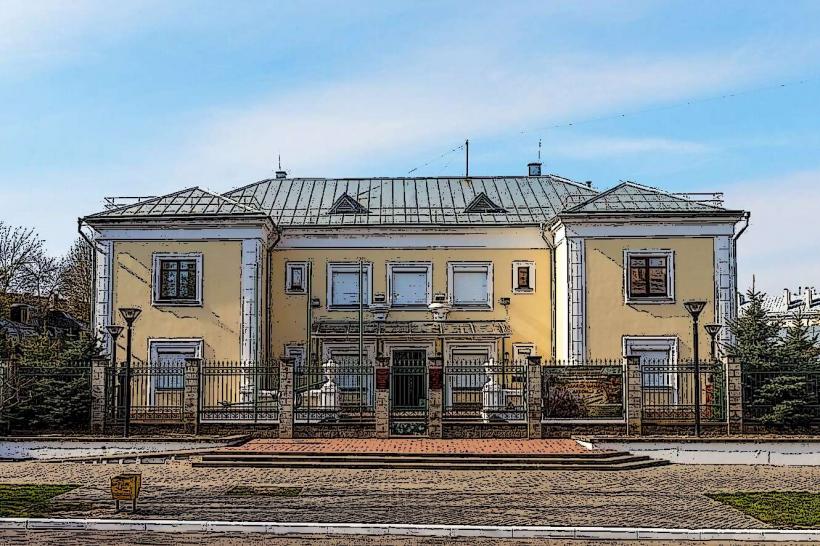
The Museum of Gomel History is located in the heart of the city, within a building that has its own historical significance. The museum is housed in the Pysanka House, a neoclassical building with impressive architecture that adds to the cultural experience of visiting the museum.
- Pysanka House: The building that houses the museum was built in the 19th century and has served various purposes over the years. Its architectural style features classic elements of the period, and it remains one of the most recognizable historical structures in Gomel.
- Proximity to Landmarks: The museum is situated near other important cultural landmarks in the city, making it easy to include in a broader exploration of Gomel's history and culture.
2. History of the Museum
The museum was founded in 1895, originally as a small collection dedicated to the history and cultural heritage of Gomel. Over the years, it has expanded and evolved into a comprehensive institution that covers a wide range of topics related to the history of the city and the broader Gomel region.
- Early Foundations: Initially, the museum began as a small local collection, largely focused on the natural history and ethnography of the area.
- Expansion and Growth: Over time, the museum’s exhibits and collections grew, and it began to cover a broader range of historical periods, including the medieval era, Imperial Russia, the Soviet period, and the modern-day era.
- Reconstruction: Following significant historical events, including the impact of World War II and the changes brought by the collapse of the Soviet Union, the museum underwent several renovations and expansions to better reflect the evolving identity of the city.
3. Exhibitions and Collections
The museum’s collections are diverse, covering a wide array of topics that relate to the history, culture, and social life of Gomel and its people. The exhibits are displayed across multiple rooms, with thematic areas focusing on various historical periods and aspects of local life.
Prehistory and Ancient History: One of the key sections of the museum is dedicated to the ancient history of the Gomel region. It features archaeological finds and exhibits related to the early settlers, including artifacts from the Slavic and Scythian periods. The museum also showcases evidence of ancient trade routes that passed through the region.
Medieval and Early Modern Periods: The museum also covers the medieval history of Gomel, including the formation of the city and its early role in regional politics. This section explores the region’s connection to the Grand Duchy of Lithuania, the Polish-Lithuanian Commonwealth, and later the Russian Empire.
Gomel During the Russian Empire: A significant portion of the museum's collection focuses on the period when Gomel was part of the Russian Empire. This includes exhibits on the noble families of the region, such as the Rumyantsev-Paskevich family, and their influence on the development of the city. Artifacts, portraits, and furniture from the imperial era offer insight into life in Gomel during this time.
Soviet Era: The museum also features an extensive collection dedicated to the Soviet period, highlighting the city's transformation during the 20th century. This includes materials from World War II, as well as information on the industrialization and social changes brought about by Soviet rule. The impact of the Great Patriotic War (World War II) on Gomel is explored in depth, including the hardships faced by the city's residents and the Soviet army’s role in the region.
Modern-Day Gomel: More recent exhibits focus on the post-Soviet period, showcasing the economic and cultural development of Gomel in the 21st century. Visitors can explore how the city has adapted to modern times, including its role as a regional center for industry, culture, and education.
Cultural and Ethnographic Displays: The museum also highlights the ethnographic and folk culture of Gomel, featuring traditional clothing, crafts, and tools used by the local population over the centuries. The ethnographic collection provides visitors with a glimpse into the everyday life of the region’s people.
4. Interactive and Educational Programs
In addition to its permanent collections, the Museum of Gomel History offers a range of interactive and educational programs designed to engage visitors of all ages. These programs often include guided tours, workshops, and lectures aimed at educating the public about the region’s history.
- Guided Tours: Knowledgeable guides lead visitors through the exhibits, offering detailed explanations of the historical events and cultural developments represented in the museum.
- Educational Events: The museum hosts events such as lectures, exhibitions, and cultural festivals, aimed at promoting awareness of Gomel’s rich history and heritage.
- Temporary Exhibitions: The museum frequently hosts temporary exhibitions, often focusing on specific historical themes, artists, or significant events that shaped the city’s development.
5. Significance in the Local Community
The Museum of Gomel History is an important institution for both locals and tourists, helping preserve the city’s cultural heritage while providing an educational resource for future generations. The museum plays a role in fostering a sense of local identity and pride, serving as a bridge between Gomel’s past and its present.
- Local Pride: The museum is a place where the people of Gomel can reflect on their shared heritage and history, from the early days of the settlement to its growth as an industrial city.
- Tourism and Education: For visitors to Gomel, the museum offers an enriching experience that introduces them to the city’s past, making it a must-visit stop for anyone interested in the history of Belarus.
6. Conclusion
The Museum of Gomel History is a central institution in the city’s cultural landscape, offering a comprehensive and engaging exploration of the city’s past. From its ancient roots to its role in the Russian Empire, Soviet Union, and modern Belarus, the museum presents a detailed narrative of Gomel's development. Its collections, educational programs, and cultural significance make it an invaluable resource for both locals and tourists, providing insight into the rich and diverse history of the region.