Information
Landmark: Nabeul MosqueCity: Nabeul
Country: Tunisia
Continent: Africa
Nabeul Mosque, Nabeul, Tunisia, Africa
Overview
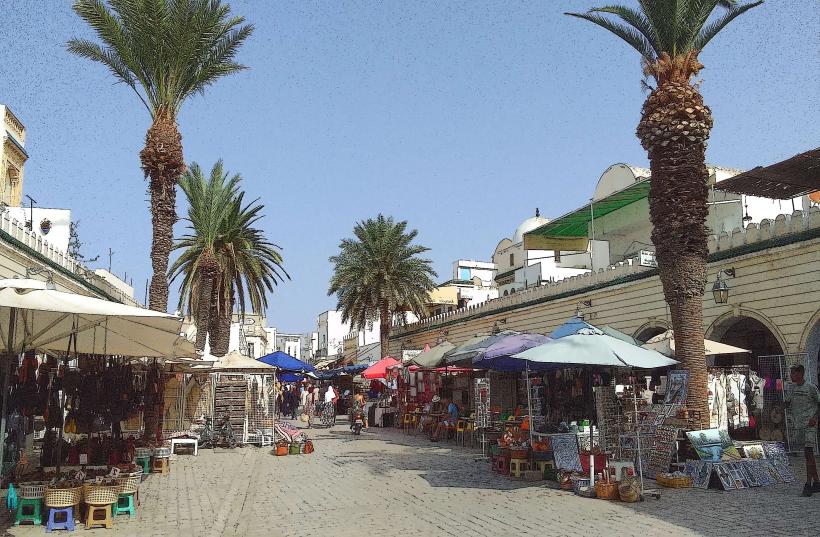
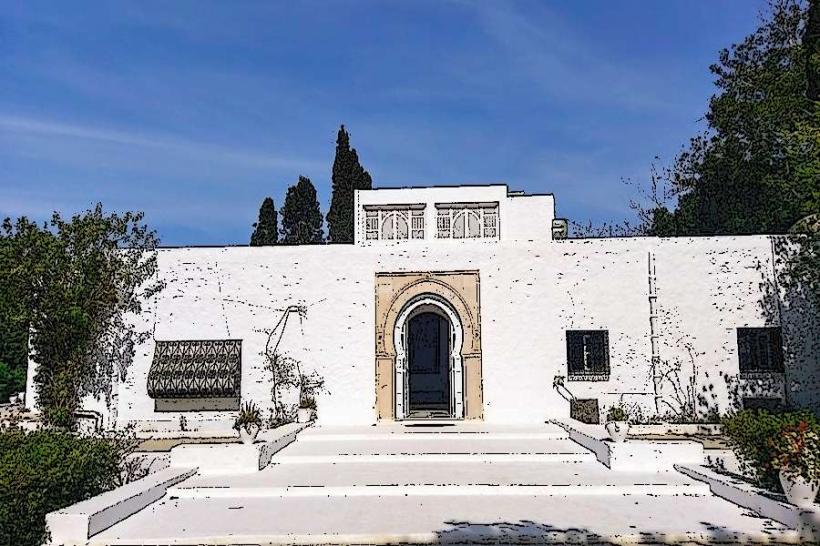
In Nabeul, Tunisia, the Jamii al-Rahma Mosque stands out as a landmark where locals gather for prayer and community events, its white walls catching the sun each afternoon, also right in the heart of Nabeul, it stands as a cherished landmark, both a destination of worship and a hub of tradition, its white minaret radiant against the afternoon sky, loosely It seems, First, moreover the mosque showcases classic Islamic design, shaped by the arches and geometric patterns of North African style.One standout detail is its exterior, covered in fine ceramic tiles that catch the sunlight-an intricate design often seen in Tunisian mosques, therefore tile designs often echo crisp geometric patterns, a defining feature of Islamic art and architecture.You can glimpse it in the cool, blue starbursts framing an ancient courtyard, while tall Minaret: The mosque’s slim, sky-reaching minaret stands out, a familiar sight across the sunlit courtyards of Maghreb mosques.It calls the faithful to prayer-the adhan-its clear notes echoing through narrow streets and open squares, guiding people toward the mosque for all five daily prayers, besides symmetry and geometric patterns shape the design, giving it a balanced feel-a hallmark of Islamic architecture, like the repeating arches in a sunlit mosque courtyard.The prayer hall’s layout and design, framed by quiet arcades and sunlit courtyards, draw you into a calm space that invites reflection, furthermore step two, more or less Curiously, The mosque provides a range of amenities for its worshippers, including a quiet, carpeted prayer room set aside for women, offering a welcoming space alongside the men’s area, and ablution Rooms: Dedicated spaces for wudu, the ritual wash before prayer, with clean running water and a quiet corner for reflection.I think, The mosque runs classes for both kids and adults, where they learn about Islamic teachings, study the Qur’an, and explore the core principles of the faith, sometimes reading aloud verses in a quiet, sunlit room, alternatively during Islamic festivals, the mosque hosts special prayers like Salat al-Eid, and in Ramadan, it regularly serves warm iftar meals just after sunset.Funeral Services: The mosque hosts Salat al-Janaza, guiding families through farewell prayers and offering quiet support when grief feels overwhelming, in addition accessibility: The mosque was built to be welcoming to everyone, with features like smooth ramps and wide doorways for those with disabilities.Parking’s simple-visitors can pull right into the marked spaces, just steps from the entrance, subsequently number three.Beyond serving as a spot of worship, the mosque anchors community life-where neighbors and travelers trade stories over tea, share knowledge of Islamic traditions, and come together for local celebrations, to boot beyond serving as a destination of worship, Jamii al-Rahma Mosque brings people together for events and gatherings, especially during Ramadan and Eid, when the courtyard glows with lantern light and warm conversation.Number four, equally important visitors are welcome at the mosque, and it’s especially worth stopping by when the soft murmur of prayer fills the hall.Visitors should dress modestly when entering the mosque, covering shoulders and knees before stepping inside, on top of that if you’d like to join prayers or explore Islamic traditions, the mosque’s classes open a welcoming doorway to Islam’s teachings, from the gentle rhythm of daily worship to the meaning behind sacred verses, generally Dress Code: Since this is a religious site, visitors should wear modest clothing-think long sleeves and covered knees, alternatively women usually cover their arms and legs, while men stick to long pants and skip sleeveless shirts, even on a sizzling afternoon.If you’d like to join a service, take a moment to check the local prayer schedule-listen for the soft call to prayer drifting from the minaret, as well as the mosque fills quickly for the five daily prayers, but on Fridays, Jumu’ah draws the largest crowd, spilling out onto the sun-warmed steps.Five, plain and simple-like the number of fingers wrapping around a warm coffee mug, at the same time special Events and Programs Ramadan Iftar: Each Ramadan, the mosque hosts evening iftar dinners where the scent of warm bread fills the hall, offering a welcoming space for those breaking their quick together, perhaps On Eid al-Fitr and Eid al-Adha, Muslims gather for special prayers, then celebrate with music, laughter, and the smell of fresh bread in the air, while people often gather in the mosque for these prayers, filling the air with a low murmur as the crowd grows.Number six, besides you can reach the Jamii al-Rahma Mosque right in the heart of Nabeul with a short trek-its minaret rises above the market stalls, easy to spot from almost anywhere in town.If you’re coming from elsewhere in Tunisia, Nabeul sits about an hour’s drive from Tunis, and you can hop on a bus or train to get there, then the mosque sits close to several of the city’s key cultural landmarks, so it’s a perfect stop for anyone wandering between the heritage stone library and the bustling market.Truthfully, In conclusion, the Jamii al-Rahma Mosque stands as a cornerstone of faith and culture in Nabeul, Tunisia, its white minaret shining against the afternoon sky, besides its graceful arches, welcoming prayer halls, and steady dedication to helping others make it a heartbeat of Nabeul’s cultural and spiritual life, not entirely Whether you’re here to pray, soak up the history, or explore the traditions of Islam, you’ll find the mosque’s open doors and soft echo of footsteps create a truly welcoming space.
Author: Tourist Landmarks
Date: 2025-09-27