Information
Landmark: Nanzen-ji TempleCity: Kyoto
Country: Japan
Continent: Asia
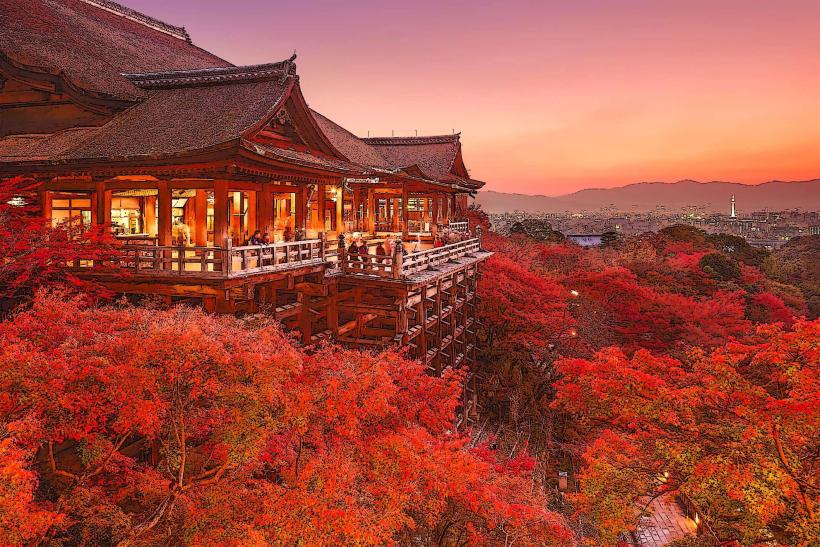
Nanzen-ji Temple, Kyoto, Japan, Asia
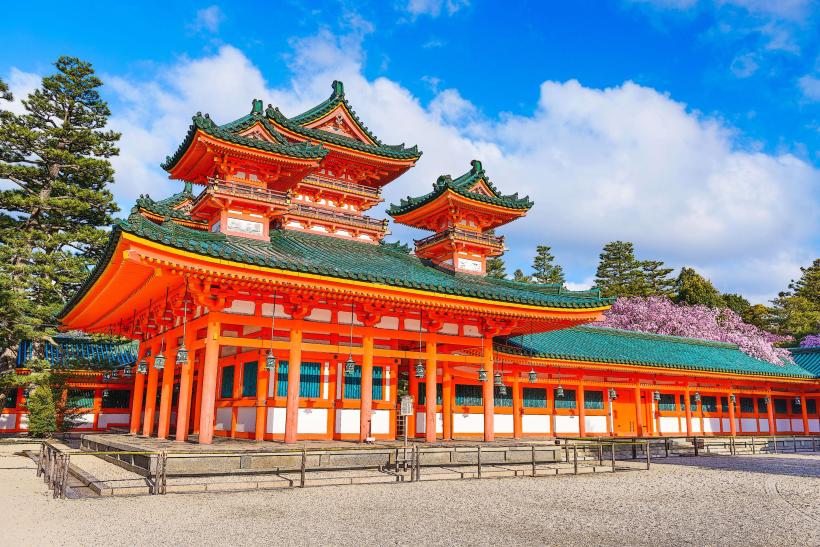
Nanzen-ji Temple (南禅寺) is one of the most prominent and historically significant Zen Buddhist temples in Kyoto, Japan. It is an essential landmark in the city, known for its vast temple grounds, impressive architecture, and rich history. Located in the Higashiyama district of Kyoto, it is considered a key example of Rinzai Zen architecture and philosophy. The temple has long been a center of Zen practice and remains an influential site for both worshippers and tourists.
1. History of Nanzen-ji Temple
Foundation: Nanzen-ji was founded in 1291 by Hojo Tokimune, the 8th shogun of the Kamakura shogunate, during the Kamakura period (1185–1333). It was initially established as a retreat for the Zen Buddhist monk Muromachi, who later became the first abbot of the temple. Nanzen-ji was originally a Zen monastery and remains one of the most revered Zen temples in Kyoto.
Development: The temple was established as a place of spiritual practice, and over the centuries, it developed into a large and influential temple complex. During the Muromachi period (1336–1573), the temple flourished under the patronage of the Ashikaga shogunate. It became the headquarters of the Rinzai sect of Zen Buddhism and played a significant role in the development of Zen Buddhism in Japan.
Decline and Restoration: Nanzen-ji faced periods of decline due to political upheaval and natural disasters, but it was restored several times in the following centuries. The temple’s architecture and gardens were reconstructed, and it continues to be a major Zen Buddhist center to this day.
2. Architectural Features of Nanzen-ji
Nanzen-ji is known for its imposing architecture and expansive temple grounds. The layout of the temple complex is grand and offers several important structures to explore.
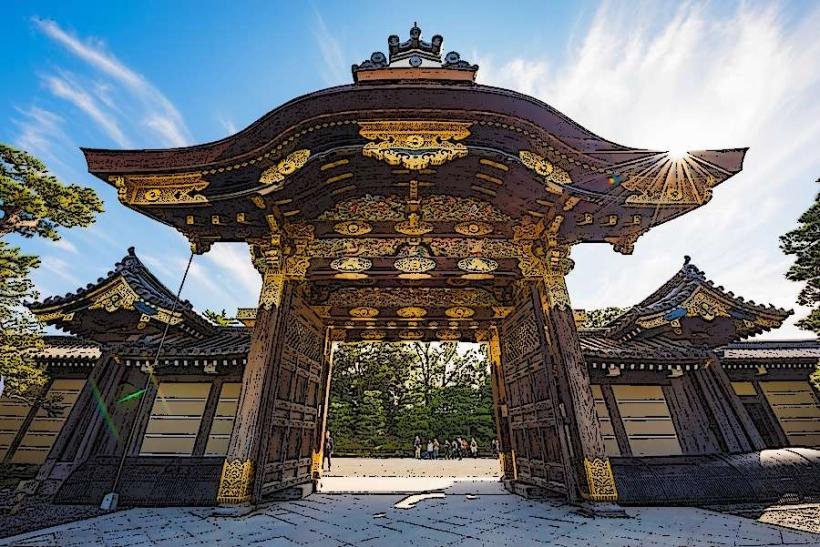
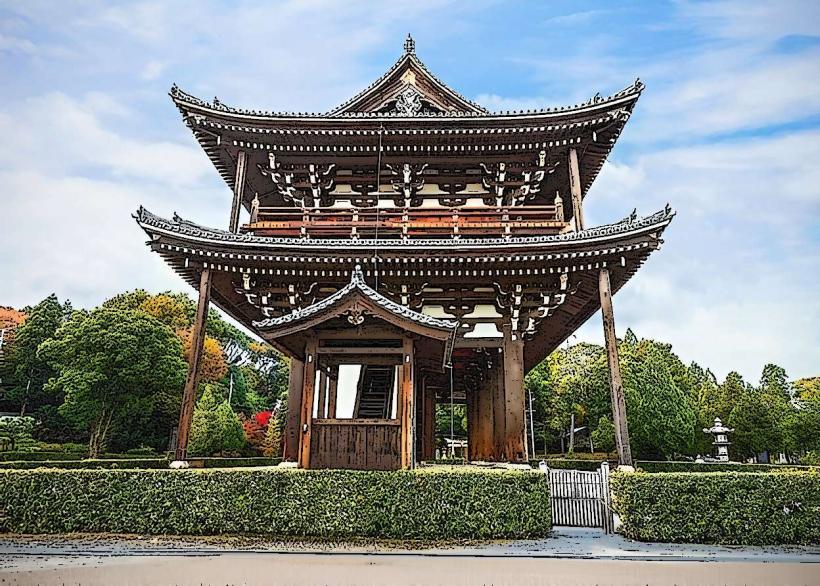
Sanmon Gate: The Sanmon Gate (三門) is the most iconic and recognizable feature of Nanzen-ji. This three-story gate is one of the largest in Japan and serves as the temple's entrance. The Sanmon Gate is significant in Zen Buddhism, symbolizing the threshold between the ordinary world and the sacred space of the temple. From the top of the gate, visitors can enjoy panoramic views of Kyoto and the surrounding Higashiyama mountains. The gate's simple yet grand design is an example of Zen aesthetic principles, emphasizing both beauty and simplicity.
Hojo (Main Hall): The Hojo is the main hall of Nanzen-ji and serves as the heart of the temple. It is used for ceremonies, meditation, and religious rituals. The hall is renowned for its tatami flooring and its sliding paper doors, which are typical features in traditional Japanese Zen architecture. The Hojo is also home to beautiful paintings of the Four Seasons, created by famous artists of the time.
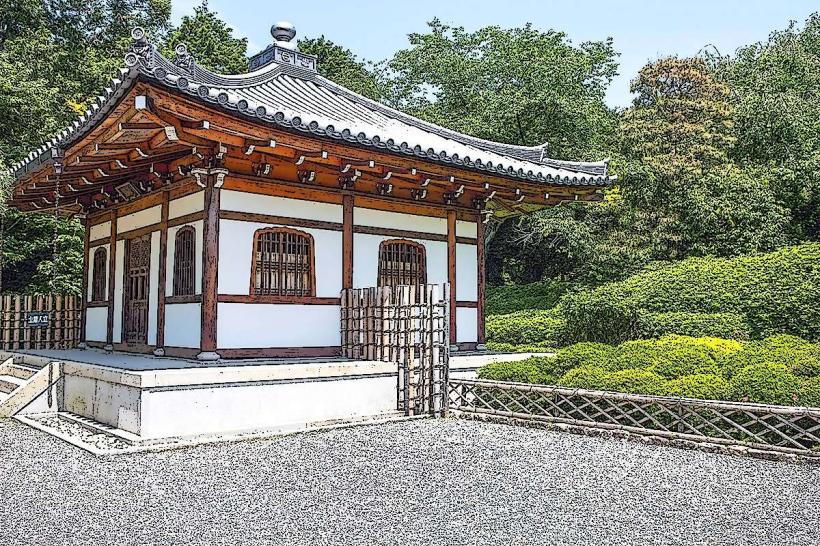
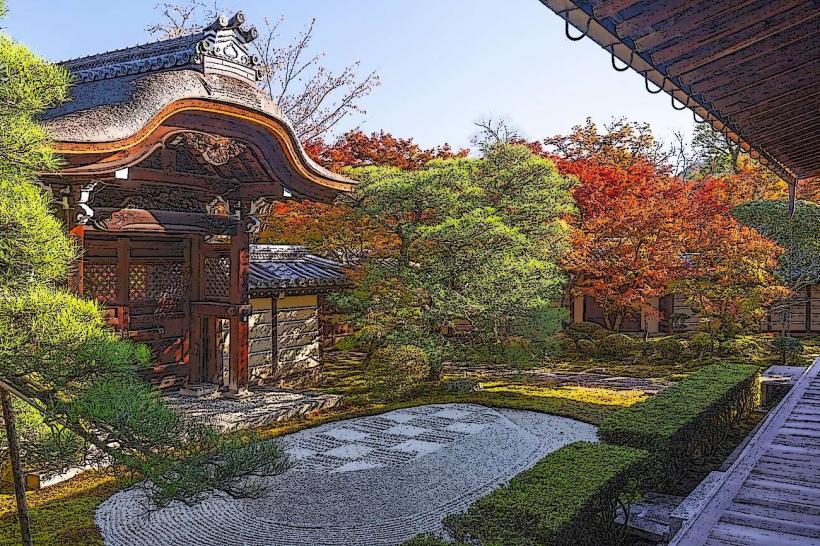
Zuiho-in: Zuiho-in is one of the sub-temples within the Nanzen-ji complex. This temple is famous for its traditional Zen garden, and its architecture embodies the Zen aesthetic. The garden features a serene landscape with rock arrangements, gravel, and minimalist design, meant to encourage meditation and contemplation.
Nanzen-ji Waterway (Aqueduct): One of the most unique and picturesque features of Nanzen-ji is its aqueduct. The Suirokaku Aqueduct is a stone canal built in the late 19th century to transport water from the Lake Biwa Canal to Kyoto. The aqueduct runs through the temple grounds, creating a beautiful juxtaposition of modern and ancient architecture. The arched stone structure provides a visually striking element within the lush temple grounds, especially in autumn when it is framed by vibrant fall foliage.
3. Gardens of Nanzen-ji
Nanzen-ji is also renowned for its gardens, which are among the most important aspects of Zen temple design. These gardens are designed with the intention of promoting peace, contemplation, and reflection.
Zen Gardens: The temple grounds feature several Zen gardens, known for their simplicity and beauty. The Zen gardens often incorporate natural elements like rocks, gravel, and trees, arranged in a way that encourages meditation. These gardens are designed to embody the principles of Zen, where the goal is to engage in silent contemplation and appreciate the beauty of impermanence.
Suirokaku Garden: The garden surrounding the Nanzen-ji Waterway (Suirokaku Aqueduct) includes a beautiful rock garden, where visitors can enjoy the peaceful ambiance of the flowing water and surrounding nature. The combination of water and stones in the garden adds to the sense of serenity and helps deepen the sense of calm.
4. Cultural and Spiritual Significance
Zen Philosophy: Nanzen-ji is an important center for Rinzai Zen Buddhism, which emphasizes the practice of zazen (sitting meditation). The temple's vast grounds and serene gardens encourage introspection and self-reflection, inviting visitors to take part in Zen practice and to explore the deeper meanings of life, impermanence, and enlightenment.
Monastic Retreat: Historically, Nanzen-ji was a retreat for Zen monks who sought to attain enlightenment through meditation and ascetic practice. The teachings at Nanzen-ji emphasize inner peace, self-discipline, and simplicity, which are foundational elements of Zen Buddhism.
Influence on Japanese Culture: Nanzen-ji has played a key role in the development of Zen aesthetics, particularly in the context of gardens and architecture. The temple's design reflects the Zen ideals of simplicity, tranquility, and natural beauty, which have deeply influenced Japanese culture and aesthetics.
5. Visiting Nanzen-ji Temple
Location: Nanzen-ji is located in the Higashiyama district of Kyoto, close to other major landmarks such as Philosopher's Path and Eikan-dō. The temple is easily accessible by public transport, including buses and trains, with the nearest station being Keage Station on the Tozai Subway Line.
Opening Hours: Nanzen-ji is generally open every day from 8:30 AM to 5:00 PM, but it's important to check the official website or at the temple for any variations, especially during special events or seasons like autumn or New Year.
Admission Fees: There is a small admission fee to enter some areas of the temple complex. For example, entry to the Hojo and the Zen gardens typically costs around ¥500. Fees may vary for special areas like the Zuiho-in sub-temple.
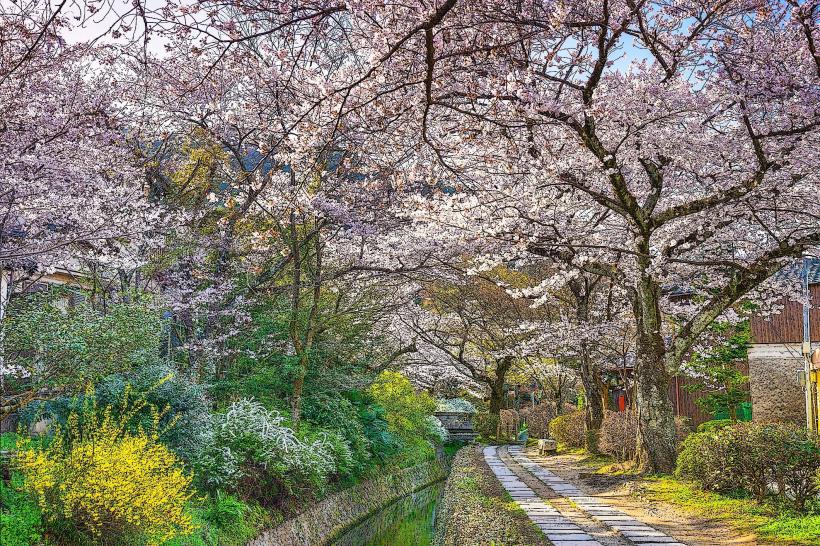
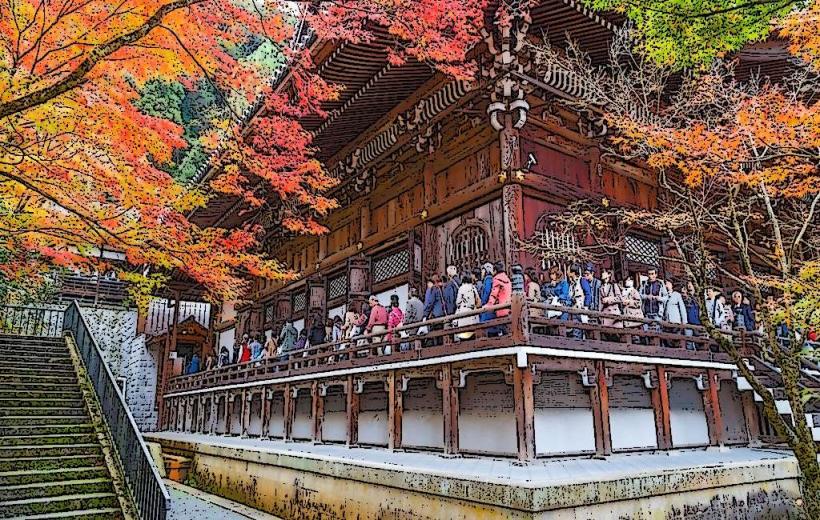
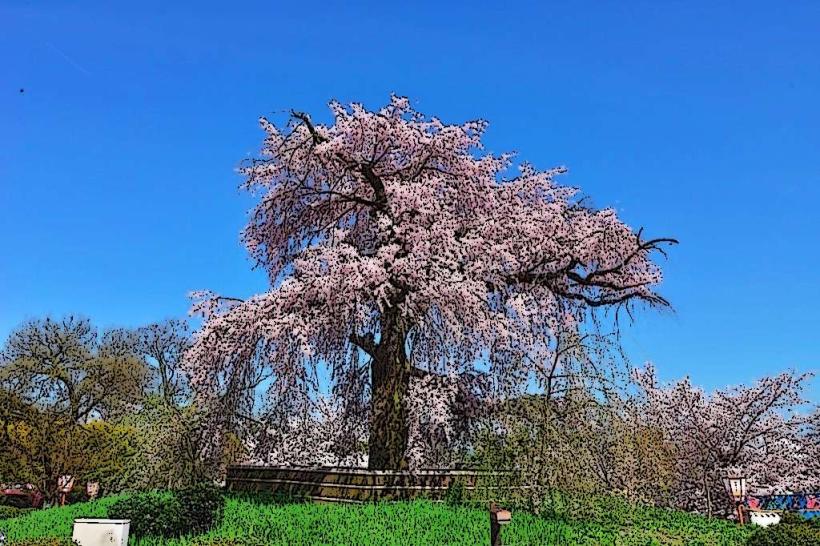
Best Time to Visit: Nanzen-ji is stunning year-round, but it is especially beautiful during autumn when the vibrant foliage transforms the temple grounds into a stunning canvas of reds, oranges, and yellows. Spring is also a lovely time to visit, as the gardens come alive with cherry blossoms. If you prefer to avoid crowds, visiting in winter or early spring may offer a more peaceful experience.
6. Conclusion
Nanzen-ji Temple is a must-visit site for anyone interested in exploring the beauty and depth of Zen Buddhism in Kyoto. Its blend of grand architecture, serene gardens, and rich spiritual atmosphere makes it a place of profound reflection and meditation. Whether you are a Zen practitioner, a lover of Japanese gardens, or simply a visitor seeking tranquility, Nanzen-ji provides an enriching experience that beautifully captures the essence of Zen aesthetics and philosophy.