Information
Landmark: Narva Town HallCity: Narva
Country: Estonia
Continent: Europe
Narva Town Hall, Narva, Estonia, Europe
The Narva Town Hall is a Baroque-style administrative building located in Narva, Estonia, situated in the city's historic Old Town district. It functions as a municipal government office and a significant historical landmark.
Visual Characteristics
The building exhibits a distinct Baroque architectural style, characterized by its symmetrical facade and decorative elements. It is constructed primarily with stone and plaster, featuring a white exterior finish. The roof is steeply pitched and covered with red tiles. A prominent clock tower rises from the center of the facade, topped with a slender spire. The structure comprises three stories, with regularly spaced windows and understated ornamentation.
Location & Access Logistics
The Narva Town Hall is located at Raekoja plats 1, in the central area of Narva's Old Town. It is approximately 0.5 kilometers from the city center's main commercial streets. Parking is available in designated paid parking lots nearby, such as those accessible from Pikk tänav. Public transport options include several local bus lines (e.g., Line 3, 4, 5) with stops at "Raekoja plats" or "Peetri plats," both within a short walking distance of the Town Hall.
Historical & Ecological Origin
Construction of the Narva Town Hall commenced in 1665 and was completed in 1671. The building was designed by architect Georg Teuffel. Its original purpose was to serve as the seat of the city's administration, housing the city council and court. The building suffered extensive damage during World War II but was subsequently restored to its pre-war appearance in the 1960s.
Key Highlights & Activities
Visitors can observe the distinctive Baroque architecture of the building and its central clock tower. The surrounding Raekoja plats (Town Hall Square) occasionally hosts public events and markets. While the interior is primarily for official municipal business, the exterior provides a focal point for understanding Narva's historical urban planning.
Infrastructure & Amenities
Public restrooms are not typically available inside the Narva Town Hall; however, several cafes and restaurants in the immediate vicinity offer facilities. Shade in Raekoja plats is limited, provided mainly by a few trees. Cell phone signal strength is generally strong, with 4G and 5G coverage available. Multiple food vendors and dining establishments are situated around the square.
Best Time to Visit
For photography, the morning or late afternoon hours provide optimal natural light on the building's facade. The best months to visit for favorable weather conditions are typically May through September. There are no specific tide requirements relevant to visiting the Narva Town Hall.
Facts & Legends
The Narva Town Hall is one of the few buildings in Narva's Old Town that was meticulously restored to its 17th-century appearance after the widespread destruction of World War II, making it a rare example of the city's former architectural grandeur. A practical tip for visitors is to check local event listings, as the square often hosts cultural performances or seasonal markets, particularly during the summer months.
Nearby Landmarks
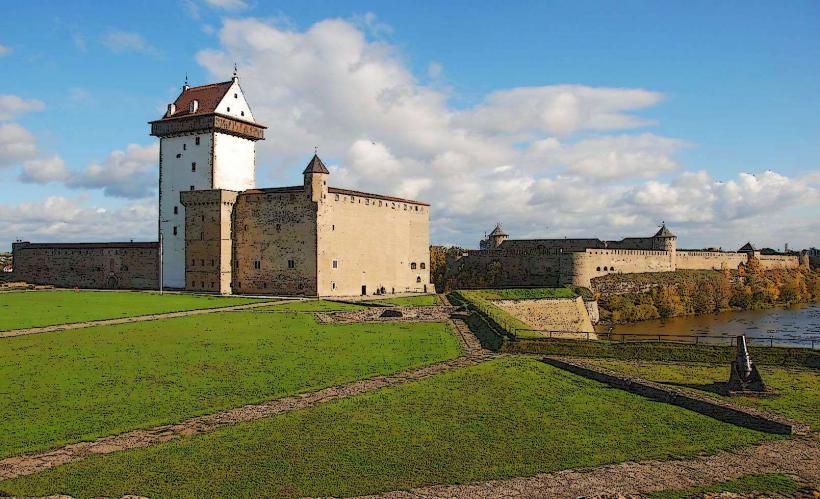
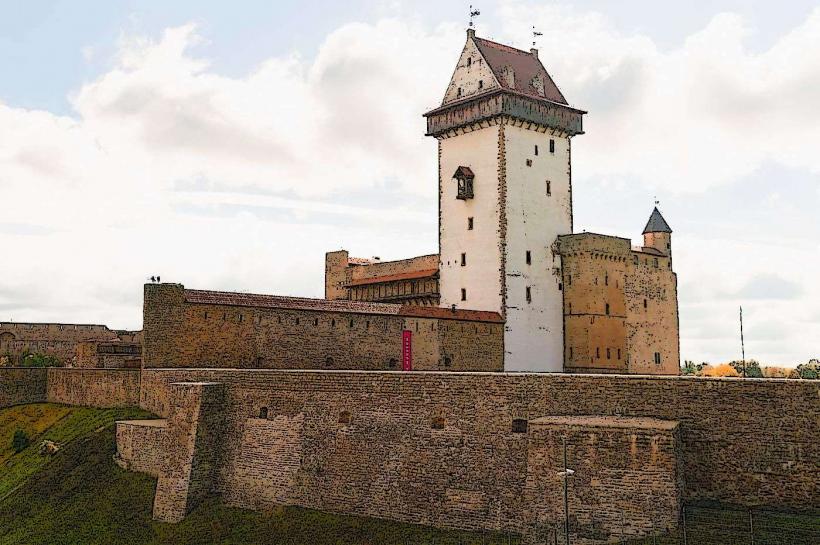
- Narva Castle (Hermann Castle): 0.5km West
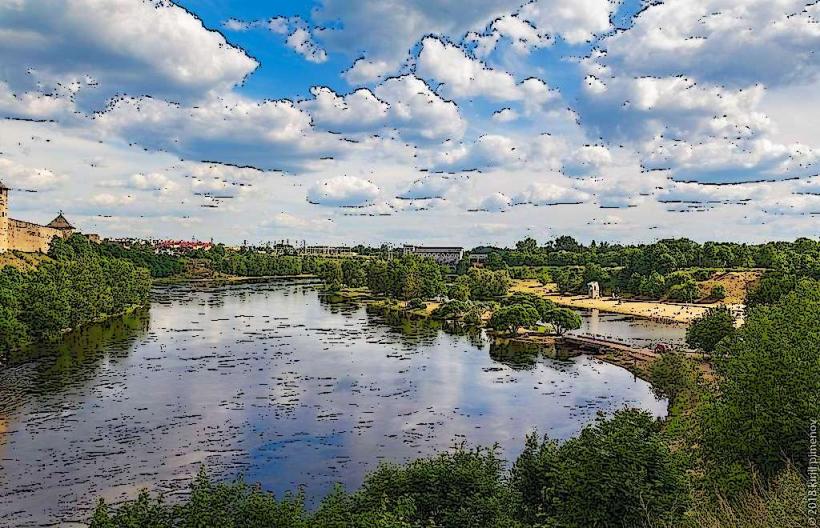
- Narva River Promenade: 0.3km West
- Narva Art Gallery: 0.8km North
- Narva Bastions: 0.4km West-Northwest
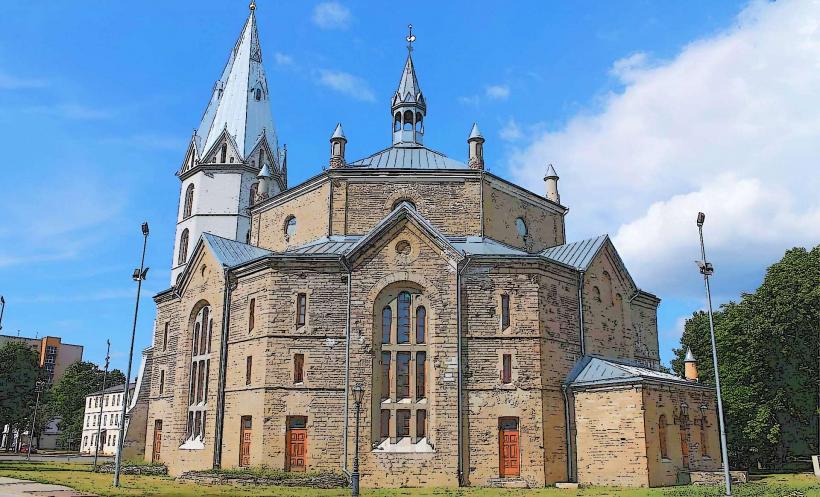
- Alexander's Church: 0.7km North