Information
Landmark: Narva Triumphal ArchCity: Narva
Country: Estonia
Continent: Europe
Narva Triumphal Arch, Narva, Estonia, Europe
The Narva Triumphal Arch is a neoclassical commemorative structure situated in Narva, Estonia, marking a historical entrance to the city. It stands on a primary road leading towards the city center.
Visual Characteristics
The arch is constructed from light-colored stone, likely limestone or granite, presenting a classical aesthetic. It features a central, larger arch flanked by two smaller, symmetrical arches. The facade is adorned with Doric or Ionic columns and decorative reliefs, including imperial eagles and military trophies, reflecting its commemorative purpose. The overall height is approximately 10-12 meters.
Location & Access Logistics
The Narva Triumphal Arch is located on Peterburi maantee, a main thoroughfare on the eastern approach to Narva. It is approximately 1.5 kilometers east of the Narva Castle and the city center. Street parking is available in the vicinity. Local bus lines, such as routes 3 and 4, have stops within a 300-meter radius of the arch, connecting it to other parts of the city.
Historical & Ecological Origin
This man-made landmark was constructed in 1822. It was designed by architect Luigi Rusca, commissioned to commemorate the visit of Tsar Alexander I to Narva. Its original purpose was to serve as a ceremonial gateway and a symbol of imperial power at the city's entrance.
Key Highlights & Activities
Visitors can observe the architectural details and classical ornamentation of the arch. It serves as a photographic subject, particularly for those interested in historical architecture. Walking through the arches is possible, integrating it into a broader exploration of Narva's historical sites.
Infrastructure & Amenities
There are no dedicated restrooms or shaded areas directly at the Narva Triumphal Arch. Cell phone signal (4G/5G) is consistently available in this urban location. Food vendors are not immediately adjacent, but cafes and restaurants are accessible within a 10-minute walk towards the city center.
Best Time to Visit
The arch can be visited during daylight hours. For photography, morning or late afternoon light provides softer illumination and enhances architectural details. The months of June through August offer the most favorable weather conditions for outdoor viewing. There are no specific tide requirements for visiting this landmark.
Facts & Legends
The Narva Triumphal Arch was not always in its current location. It was originally situated further east along the road, closer to the Russian border, and was relocated to its present site in the 1950s during urban planning initiatives. This relocation preserved the structure while adapting it to new city layouts.
Nearby Landmarks
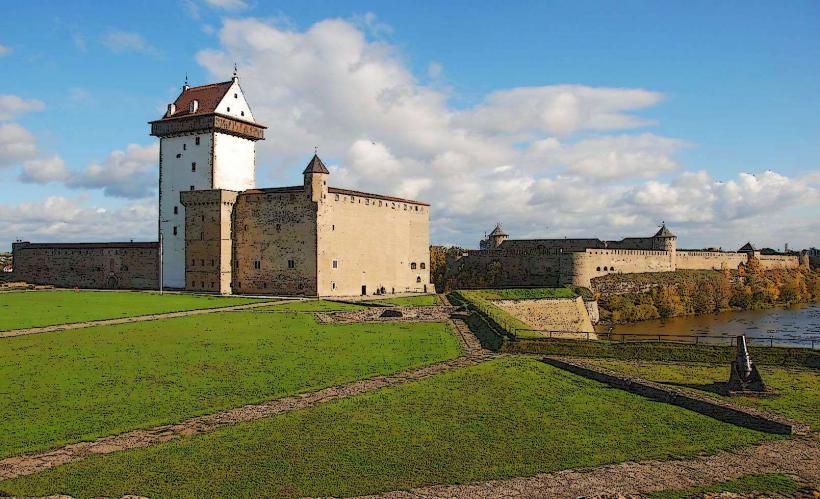
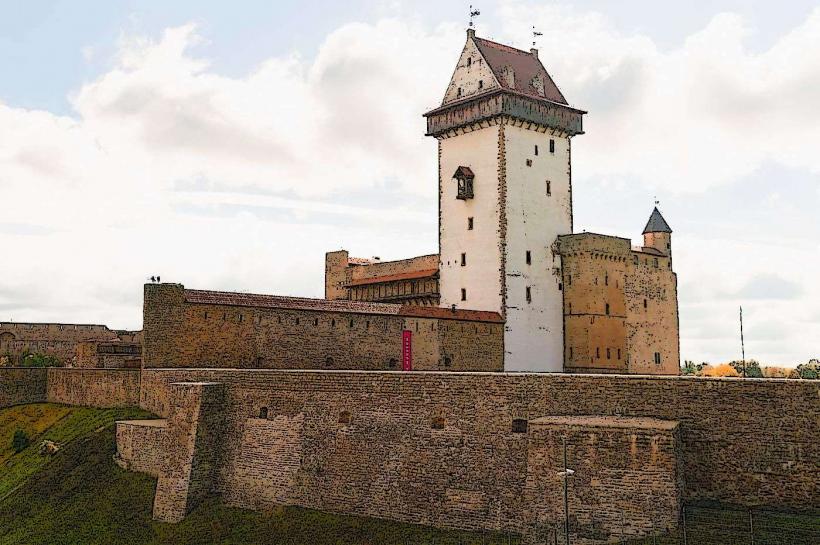
- Narva Castle (Hermann Castle): 1.5km West
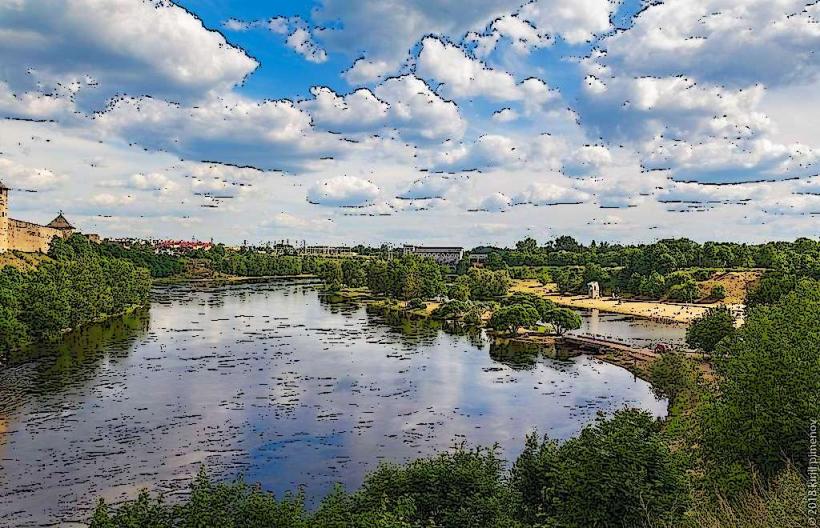
- Narva River Promenade: 1.2km West
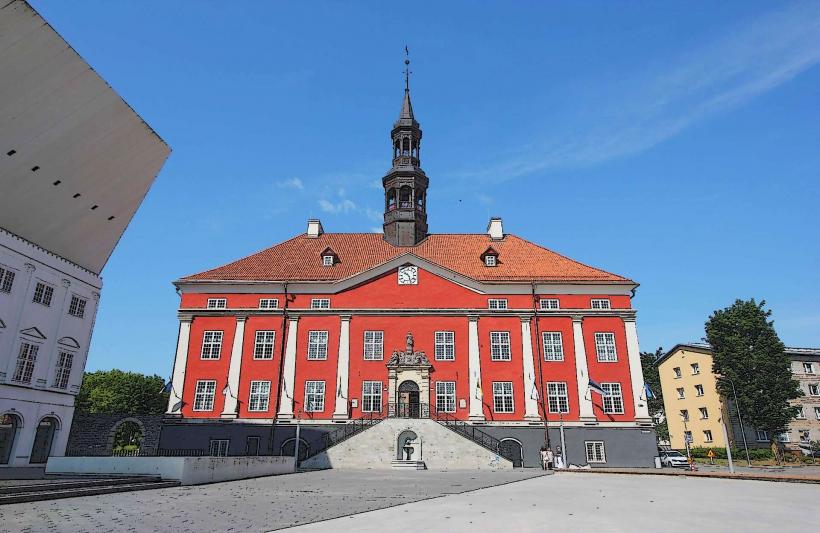
- Narva Town Hall: 1.3km West
- Narva Bastions: 1.0km West
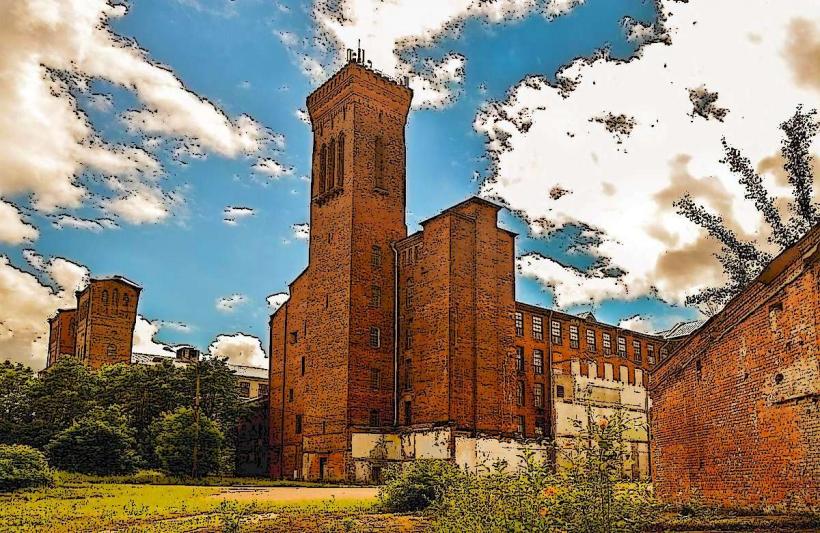
- Kreenholm Manufacturing Company (historical area): 2.5km South