Information
Landmark: Niah CavesCity: Miri
Country: Malaysia
Continent: Asia
Niah Caves, Miri, Malaysia, Asia
Niah Caves is a significant archaeological and natural site located in Sarawak, Malaysian Borneo. The caves are famous for their historical importance and unique limestone formations. Situated within the Niah National Park, the caves are renowned for being one of the oldest known sites of human habitation in Southeast Asia and are home to a remarkable archaeological treasure trove, particularly related to the Palaeolithic and Neolithic periods.
Geological and Natural Features
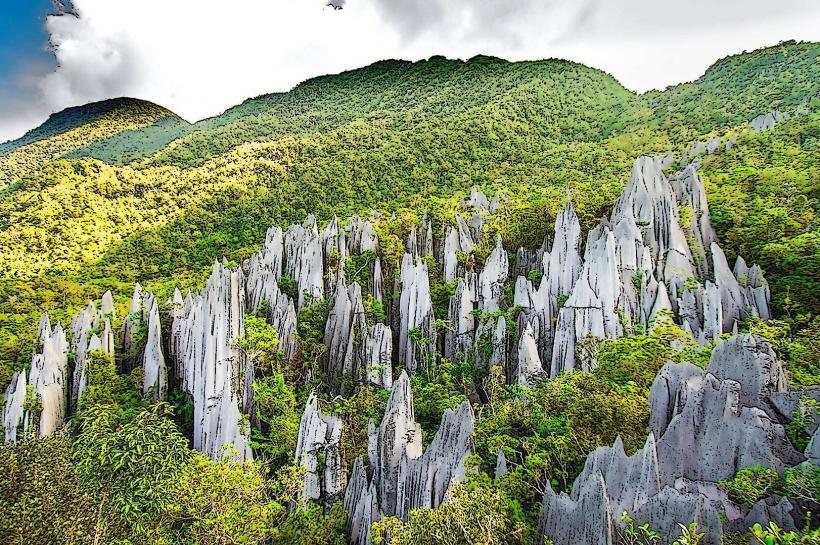
Niah Caves are part of a larger limestone system located near the Niah River in the northern part of Sarawak. The caves consist of several interconnected limestone chambers and are noted for their impressive geological features, including stalactites, stalagmites, and flowstones. These formations have developed over millions of years due to the gradual deposition of minerals carried by water.
The two main caves are:
The Great Cave (also known as Niah Cave):
- This is the largest and most famous cave in the Niah Cave complex. It is about 250 meters long and over 60 meters high at its entrance, offering a grand sight as you approach.
- Inside, you can find extensive bat colonies and other cave dwellers.
- The cave is especially notable for its prehistoric paintings and the evidence of early human settlement.
The Painted Cave:
- This cave is smaller but extremely important due to its rock art and early human artifacts. The cave contains ancient paintings believed to date back over 1,000 years.
- The art includes hand stencils and images of animals, providing important insight into the early human inhabitants of the region.
Historical and Archaeological Significance
The Niah Caves are of immense historical and archaeological significance. The site has been continuously inhabited by humans for thousands of years. Excavations at the caves have revealed evidence of prehistoric human habitation, including tools, animal bones, and human remains. Some of the earliest evidence of human life in Southeast Asia has been discovered here, making it a key site in the study of human prehistory in the region.
Niah Cave is especially famous for the discovery of the “Deep Skull”, a Pleistocene human skull that was found in the early 1950s. The skull is thought to be over 40,000 years old and is one of the oldest human remains discovered in Southeast Asia.
Niah Caves are also famous for the discovery of ancient burials. Archaeological digs have revealed numerous human skeletons buried in various parts of the cave, providing insight into the burial practices and the lifestyle of ancient inhabitants.
Key Highlights and Features of Niah Caves
The Great Cave:
- This massive chamber was used as a shelter by ancient people and provides evidence of the region’s prehistoric inhabitants.
- Bat guano collected from the cave’s floor has also been used for archaeological dating, helping researchers estimate the age of the human settlements.
The Painted Cave:
- Home to early rock art believed to be over 1,000 years old. These artworks include hand stencils and painted representations of animals, providing insight into the spiritual or symbolic practices of the region’s early inhabitants.
Archaeological Discoveries:
- Artifacts such as stone tools, pottery, animal bones, and food remnants have been found, revealing much about the ancient cultures that lived in the area.
- The "Deep Skull" and other remains are of particular interest in studies of early human migration and development.
Niah River:
- The caves are located along the Niah River, and the surrounding landscape is lush with tropical rainforests, offering visitors an excellent setting for both historical exploration and nature appreciation.
Visiting Niah Caves
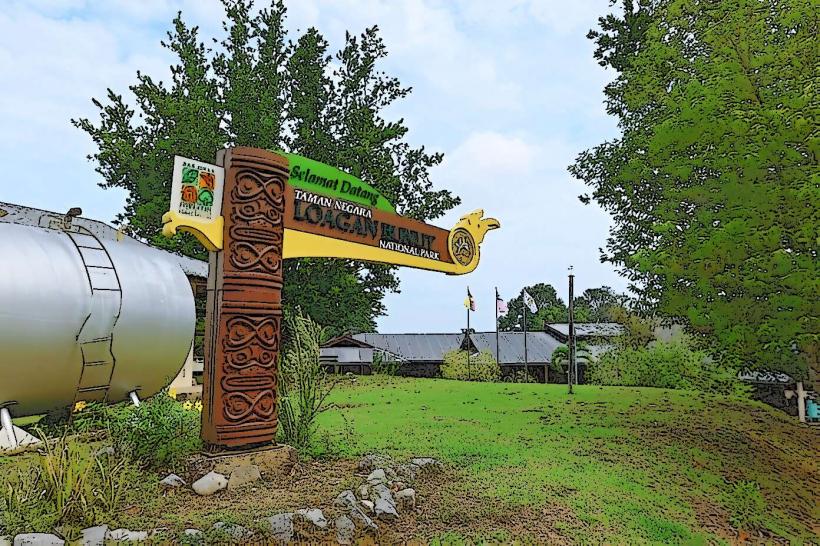
Niah Caves is part of the Niah National Park, which is located about 110 kilometers from Miri, Sarawak. The park is easily accessible by road, and visitors can reach the park entrance from Miri by car or public transportation.
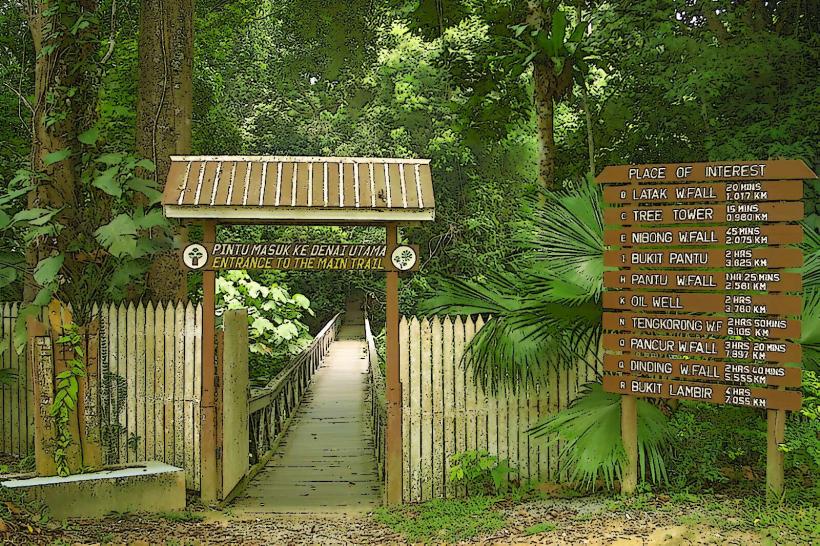
- The park features well-maintained walking trails leading to the caves, with informative signs explaining the history and natural features of the caves along the way.
- A boardwalk and bridges have been constructed to ensure safe access through the park and to the caves themselves.
What to Expect on a Visit:
- A guided tour of the caves is available, where you can explore the different chambers and learn about the archaeological discoveries and natural history of the site.
- Visitors will pass through the rainforest and cross several bridges as they approach the caves, enjoying the flora and fauna of the park. The walk to the caves takes around 30 minutes to an hour depending on your pace.
- Birdwatching and wildlife sightings are also common in the surrounding areas of the park, and you may spot monkeys, bats, and various bird species.
Ecological and Conservation Importance
In addition to its archaeological value, the Niah Caves and surrounding areas are ecologically significant. The caves are home to diverse species of bats and birds, and the tropical rainforest environment is teeming with life. The area also plays an important role in the local ecosystem by providing shelter and a source of food for various species.
Conservation efforts are in place to protect the caves, the surrounding rainforest, and the various species that inhabit the area. These efforts are essential to preserving the natural and cultural heritage of Niah Caves for future generations.
How to Get There
- By Car: The caves are located about 110 kilometers from Miri, and the journey takes roughly 1.5 to 2 hours by car.
- By Air: If flying from other parts of Malaysia, visitors can fly into Miri from Kuala Lumpur, Kuching, or other regional airports. From Miri, you can hire a taxi or rent a car to reach the caves.
- By Public Transport: Local buses or minivans operate between Miri and the park entrance.
Conclusion
Niah Caves is a fascinating destination for those interested in both archaeology and natural beauty. The caves provide a rare glimpse into the prehistoric past, offering visitors the chance to explore ancient rock art, burial sites, and tools that date back thousands of years. The park also offers a rich biodiversity of plant and animal life, making it a must-visit for both history enthusiasts and nature lovers alike.